


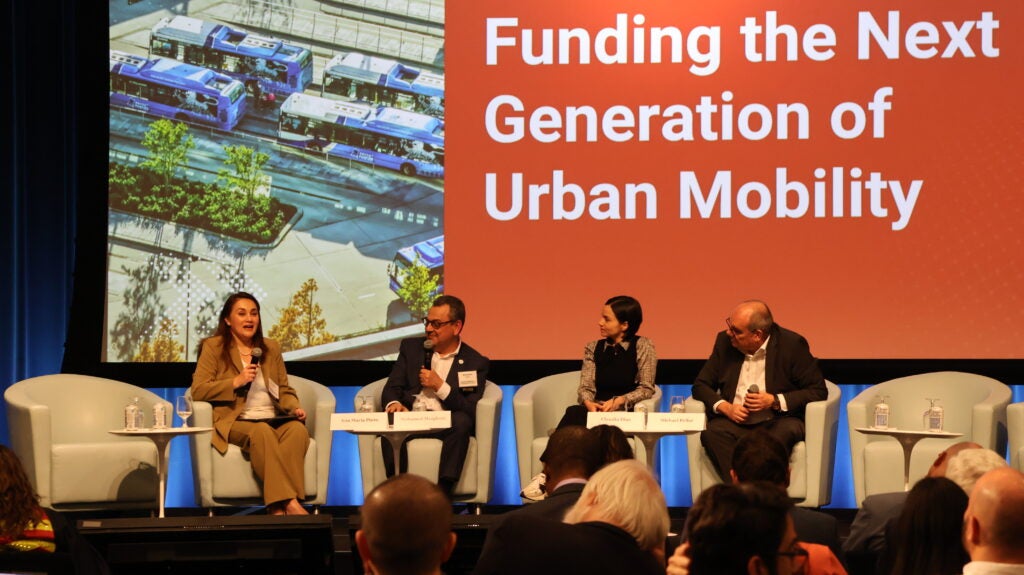
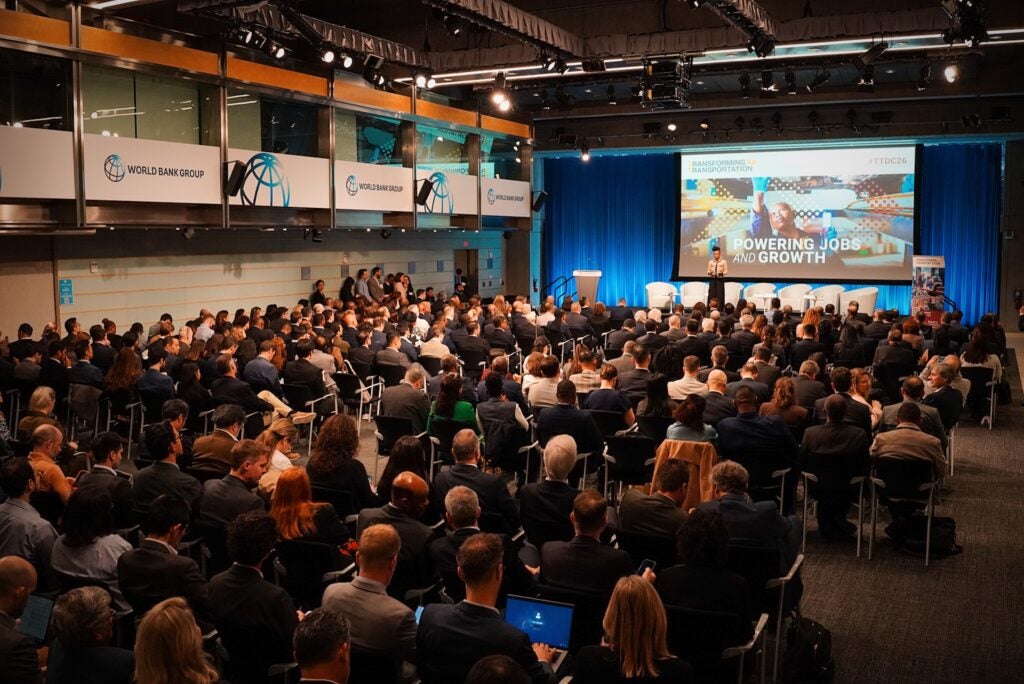
Last week, WRI Ross Center co-convened the 23rd edition of Transforming Transportation with our partners at the World Bank. Supported by FIA Foundation, the forum in Washington, DC, brought together more than 5,000 in-person and online participants, reflecting the event’s truly global reach and the critical moment for the sector.
As the world navigates a rapidly changing landscape shaped by economic shifts, external shocks and the rise of AI, discussions at Transforming Transportation 2026 highlighted transport’s pivotal role in shaping these changes to create jobs, build resilience and ensure access for all. Over the course of the week — which featured a dynamic hybrid program including the main forum on March 10–11, side events and partner meetings — leaders from government, transport organizations, finance, academia and the private sector generated rich insights on a wide range of topics.
My main takeaways revolved around three themes: Making the case for public transport, maximizing the impact of transport systems and managing risk.
Making the Economic Case for Public Transport
A successful city provides access to jobs and critical services to all. Yet even in the United States, 25% of the urban population still lack convenient access to public transport. In low- and middle-income countries, that figure rises to 50% or more. So, how do we build transport systems that are both accessible and affordable to all?
By and large, public transportation is not profitable in the sense of comparing fares and operating and capital costs. However, when we begin to consider the monetary value of the social, health and broader economic benefits that accessible and reliable public transportation provides to a city, it becomes clear that public transportation systems help create thriving, productive urban economies.
For example, on day one of Transforming Transportation, Quito Metro General Manager Juan Carlos Parra Fonseca outlined that the metro costs $1.95 to operate per ride, but users only pay $.45 per ride. While the system technically loses money, the increased access to jobs and opportunities ends up creating revenue for the city by increasing productivity and the flow of goods and innovation.
The case for transforming transportation — and specifically public transportation — is all about powering jobs and growth.
On day two of Transforming Transportation, European Commissioner for Sustainable Transport and Tourism Apostolos Tzitzikostas reminded us, “When transport works, economies grow, societies connect and opportunities expand.”
Making the economic case for transport is nothing new. For centuries, transport investments have been justified by their impact on economic development. What this edition of Transforming Transportation highlighted, however, was how much more nuanced and sophisticated the conversation has become. Discussions went beyond the direct jobs created in construction and manufacturing to those linked to operating and maintaining transport systems and beyond. For example, we heard from Transmilenio General Manager Maria Fernanda Ortiz Carrascal that Bogotá’s bus rapid transit system employs the same amount of people, 35,000, in just one city, as Colombia’s leading national employer.
Beyond direct jobs created, participants also discussed indirect impacts of transportation on urban productivity, including how improved access helps people reach jobs they might otherwise be unable to get to and reduce unbearable commute times.
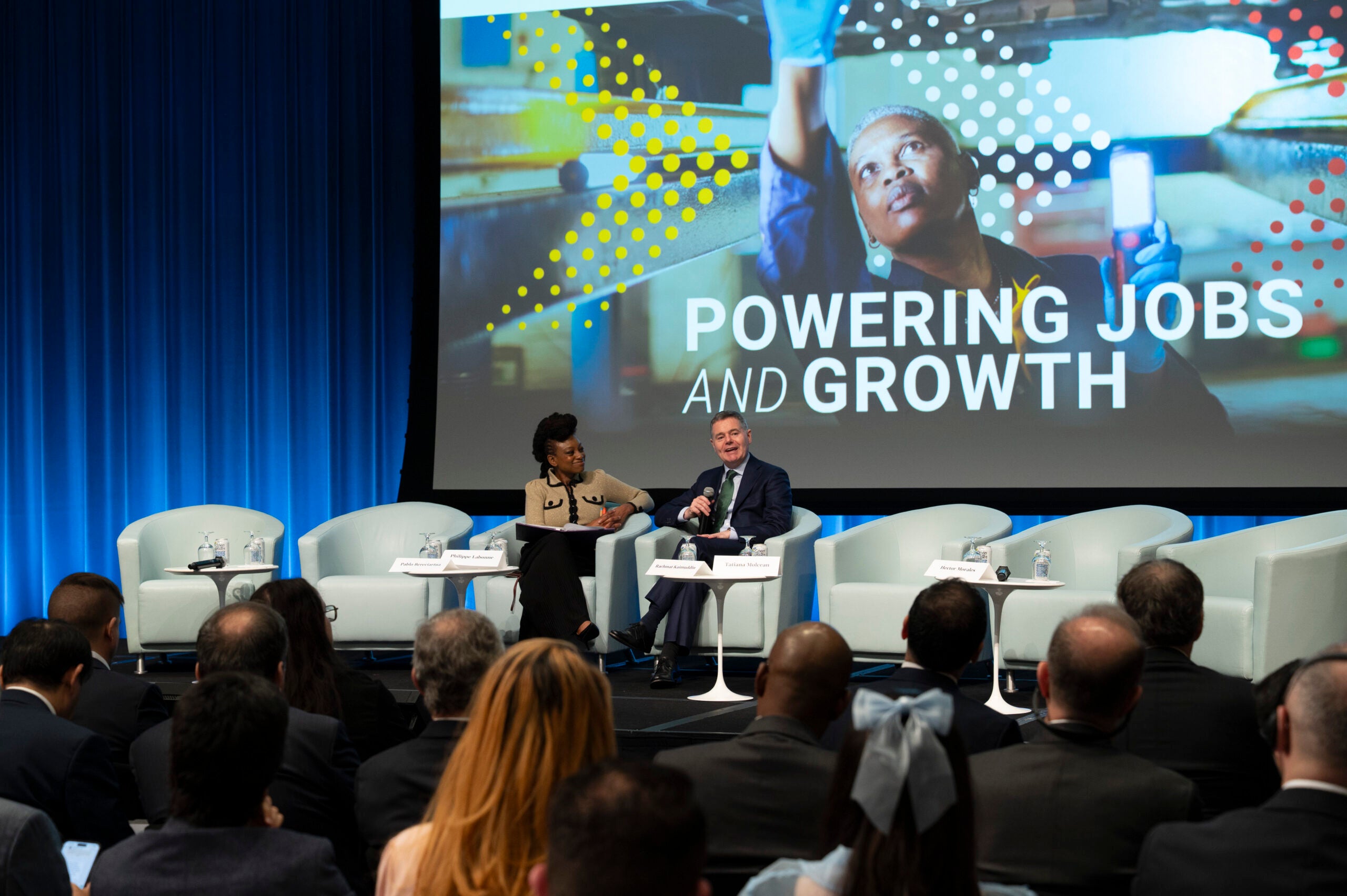
In his opening keynote address, World Bank Group Managing Director and Chief Knowledge Officer Paschal Donohoe highlighted how implementation of Dakar’s new bus rapid transit system has made 170,000 jobs more accessible and increased the share of job opportunities accessible within an hour commute on public transport to 60%. Going even further during a technical session, Nicolás Estupiñán, Transport and Logistics Director for the Development Bank of Latin America and the Caribbean (CAF), asked, “What if transportation not only allows us access to more jobs, but better jobs?” By improving connectivity, transportation enables a stronger match between employee skills and employer needs — access to not just any job or any employee, but the best fit — unlocking greater economic potential.
However, much work remains to make our existing and rapidly growing cities accessible to all. While it is true that “gains of accessibility are disproportionately larger for minorities and low-income groups,” noted Rafael H. M. Pereira, Senior Researcher and Head of Data Science at the Institute for Applied Economic Research (IPEA) in Brazil, vulnerable populations like women, children, the elderly and people with disabilities still face barriers in safely accessing and participating in transportation systems.
More innovations — such as digital tools to match female riders and operators, suggested by Gozem Co-Founder and Co-Chief Executive Officer Greggory Costamagna, and inter-generational training programs, highlighted by the United Nations Economic Commission for Europe (UNECE) Executive Secretary Tatiana Molcean — are needed to improve gender balance in the workforce, which helps further ensure more equitable access.

Transportation in cities should not only be a means in itself but considered a driver for the entire urban economy. Ana Maria Pinto, Inter-American Development Bank (IDB) Transport Division Chief, noted, “Transport is not just about moving people. It’s about access to jobs, productivity, competitiveness and quality of life.”
The Most Impactful Transport Systems Are Fueled by Coordination and Innovation
When investing in transportation, how can we maximize the benefits of the system and serve all of society? As Indonesia’s Deputy Minister of Infrastructure Rachmat Kaimuddin mentioned, the Ministry of Transportation’s key performance indicator may be kilometers of road built, but focusing on length of road alone does not necessarily equate to an impactful or effective transport system. Are these roads safe and accessible? Do they connect people to the places they want or need to go? Do they serve the communities they are intended to reach?
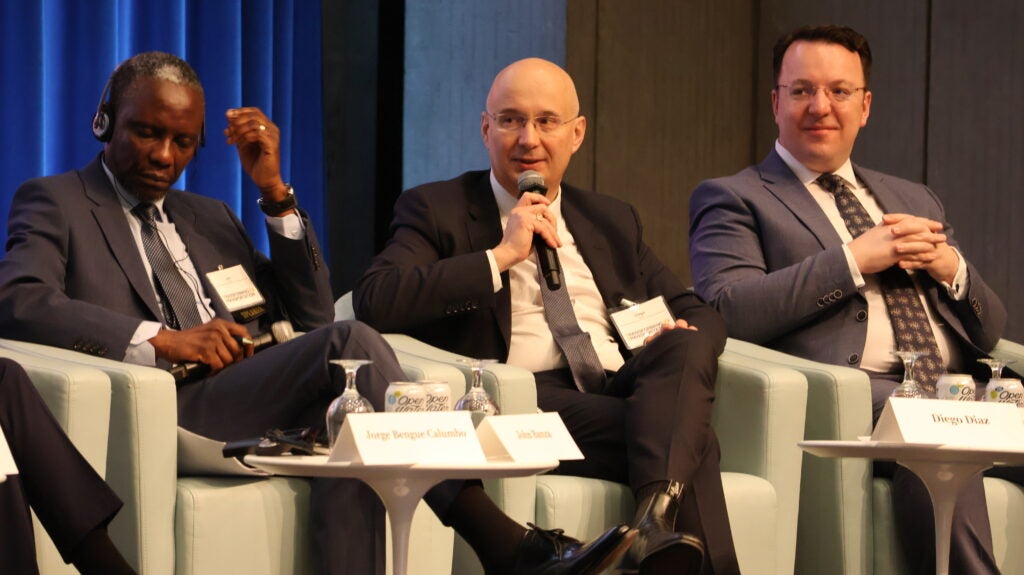
Generating the biggest possible impact from transportation means looking beyond infrastructure built or passengers served and examining broader effects: What are the implications for public health, avoided costs, economic growth, road safety, congestion reduction and productivity? This systems approach was captured well by Diego Díaz, President for Société Nationale des Chemins de Fer Français (SNCF) International and International Managing Director for SNCF Group, who urged participants to “think of corridors as a system rather than a series of independent projects.” In other words, the real value of transport investments comes not from isolated projects, but from how they work together to connect people, markets and opportunities.
From a systems approach to systems change, coordination becomes the critical enabler. Delivering it requires more than strong infrastructure planning — it requires strong coordination and new ways of working together. Transport systems sit at the intersection of land use, economic development, technology and public services, meaning no single institution can deliver them alone. Governments must coordinate across ministries, national and local authorities must collaborate, and partnerships with the private sector, development institutions and civil society are increasingly essential to scale solutions, particularly as urban economies become more central to national economies.
This need for coordination is evident in India’s rapid metro expansion. On day one, Shri Munna Kumar, Director of India’s National Capital Region Transport Corporation (NCRTC), shared that India currently has 1,000 kilometers of new metro rail under construction, and another 2,000 kilometers in the planning pipeline. Large-scale transport projects like these are funded by international and state funds with guarantees at the national level.
However, the true impact of these metros depends on how well they “land” within the urban fabric. Optimizing ridership requires carefully planned first- and last-mile connectivity, often provided by informal or popular transport modes such as motorcycles or rickshaws.
Designing the spaces around stations to safely and efficiently manage pedestrian flow is equally critical.
Where metros thrive, density and proximity are key — conditions that also create land scarcity and competing interests among multiple actors. This makes coordinated, local land-use planning essential to make metro systems accessible and safe.
Coordination also extends beyond planning into financing and operations. No public transport system is fully self-sufficient; A suite of complementary instruments needs to be in place to boost ridership and maintain quality of service. During a technical session on day one, IDB Lead Transport Specialist Agustina Calatayud mentioned how critical it is to diversify public transit finance sources through mechanisms like land value capture, congestion pricing and parking fees. No single measure is sufficient on its own. Rather, improving access to transport for all requires a systems approach in which coordination between actors is key and “stick” measures are paired with “carrots” to ensure people have better mobility in the end.
At the same time, innovation and digitization are transforming how transport systems are planned, managed and financed — helping cities better understand mobility patterns, improve operations and maximize return on investment.
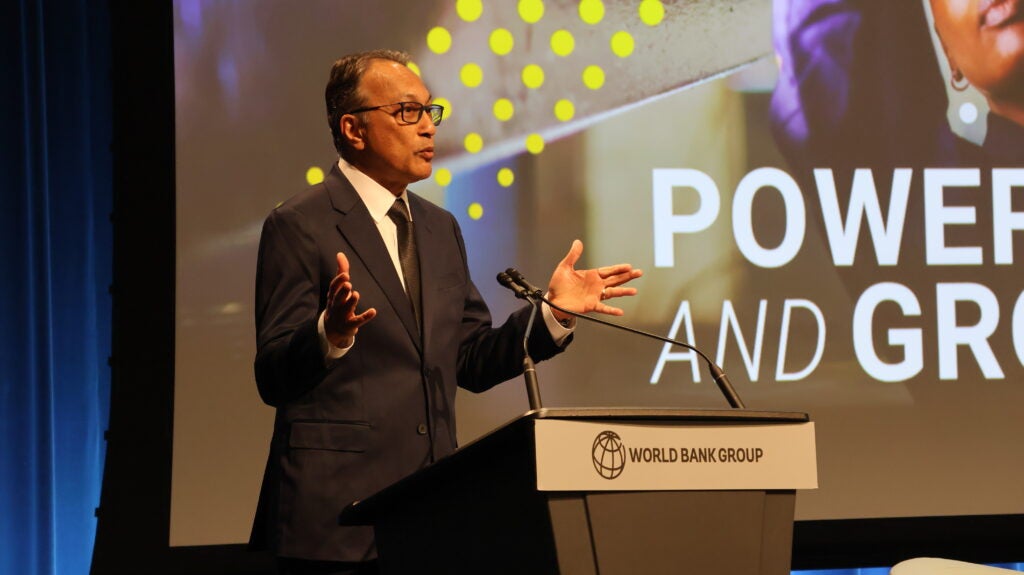
WRI President and CEO Ani Dasgupta noted that Beijing’s, “Mobility-as-a-Service” digital platform has reached 30 million active users as of 2025. It enables seamless trip planning across different types of transportation, allowing users to pay for everything in one place and offering rewards for choosing green travel options like buses, trains and shared bikes. Between 2019 and 2025, the program helped reduce emissions by more than 1 million metric tons of carbon dioxide, equivalent to taking up to 500,000 passenger cars off the road each year.
Freight and logistics can also benefit enormously from digital innovation. Digital tools, including AI, are already helping optimize cargo handling at ports, coordinate pick up times and streamline documentation. The result is reduced congestion, clearer timelines for truck drivers, lower emissions and more seamless operations. During a technical session on smart ports and logistics, the Port Authority of Valencia’s Head of Innovation, Juan Manuel Díez, outlined how a combination of technological innovation, improved coordination and physical upgrades across Spain’s 28 major ports has helped quadruple system capacity.
Together, coordination and innovation are shifting the focus from building infrastructure to delivering impact. They enable transport systems that are more connected, efficient and responsive — ultimately driving greater economic, social and environmental outcomes.
Managing Risk
If coordination and innovation are key to impact, managing risk is essential to making projects possible in the first place. Across sessions, a consistent theme emerged: the complexity of navigating financial, perceived and political risk.
For political leaders, the challenge is clear. Large-scale public transport systems often take decades to materialize, meaning their success will not necessarily deliver electoral wins to the ministers and city leaders who started them. This creates tension between what is good for society in the long term and what is politically expedient in the short term.
Better data can help bridge this gap. As Elizabeth Jones, Sustainable Transport Head for the UK Government, Foreign Commonwealth & Development Office’s Research and Evidence Directorate, emphasized, making progress during the UN Decade of Sustainable Transport requires clear indicators, consistent data collection and rigorous assessment. By clearly demonstrating economic outcomes, from job creation to improved access to opportunities, organizations like WRI and the World Bank can support decision-makers in making the case for long-term investments that deliver lasting impact.
Besides the political risk, financial risk remains a major barrier. In many cases, investments will only occur when derisking mechanisms, such as blended finance and guarantees, are in place. Patient capital from pension funds and concessional finance can also play a critical role in advancing long-term transport systems.
Encouragingly, the payoff is becoming increasingly evident. Cities like Quito, Buenos Aires and Bogotá are seeing the benefits of new metro systems, while Dakar and Salvador (recognized at Transforming Transportation with the Institute for Transportation and Development Policy’s 2026 Sustainable Transport Award) are experiencing the impacts of expanded, cleaner bus rapid transit systems. Monitoring the impact of major transport investments and planning processes is key to making the case for future projects. Demonstrating results helps sustain political will, attract financing and reinforce confidence.
While the risk of large-scale transport investments is well understood, there is also low-hanging fruit: active mobility. In cities like Addis Ababa, 54% of trips are made by foot, with many cities in developing countries seeing similarly high shares of people walking to reach their jobs or access urban services. Investments in pedestrian infrastructure and road safety — including pedestrian walkways, safer road crossings and speed reductions — can deliver immediate and tangible benefits: more efficient commutes, healthier communities and lives saved.
Compared to public transport systems, shaping safe and complete streets is relatively affordable and can often be implemented within a single political term. Bloomberg Philanthropies’ Becky Bavinger reminded us that, “Road safety is a winning platform.” This is reinforced by a growing recognition of the link between mobility and well-being. Nhan Tran, World Health Organization Violence and Injury Prevention Head, emphasized, “Transport is an important determinant of health,” and the economic costs of poor health make investing in active mobility an obvious priority.
Momentum is already building in cities like Paris, which is implementing “school streets” at scale, where traffic is restricted to create safer, quieter and cleaner roads for children and families. During a technical session, FIA Foundation Acting Executive Director Avi Silverman highlighted that the most important thing to address for road safety at this moment is road speeds. He noted that if you’re traveling 30 kph (19 mph) or over, chances of road injury skyrocket.
These interventions not only improve quality of life but also deliver economic value. Recent analysis suggests that property values along Paris’ school streets are rising faster compared to those on surrounding streets.
Together, these examples highlight an important lesson: managing risk in transport is not only about enabling large, complex projects, but also seizing smaller, high-impact opportunities that deliver immediate benefits while building momentum for broader system transformation.
—
While these reflections are not exhaustive, discussions at Transforming Transportation 2026 made one thing clear: viewing transportation through the lens of powering jobs and growth offers useful insights for a rapidly urbanizing world. As CAF Infrastructure for Development Manager Angel Cardenas Sosa emphasized, “We need to put transport at the center of building more just and sustainable cities.” With an estimated 75% of infrastructure yet to be built and another 2.5 billion people expected to move or be born into cities by 2050, the question is not whether transport matters, but how to harness it to drive urban economies in the most impactful, inclusive and sustainable way.
Rogier van den Berg is Global Director of WRI Ross Center for Sustainable Cities.