


Posts tagged with 'Turkey'

In an era defined by geopolitical conflicts, volatile energy prices, disrupted supply chains, changing trade relationships and intensifying climate impacts, governments need a steady hand that can anchor today’s policy decisions to tomorrow’s goals. Long-term climate strategies offer exactly that ...


For better or worse, the year ahead brings a mix of reforms, political shifts and global milestones that will shape how urban sustainability agendas are governed and delivered. From changes to the structure and leadership of the United Nations (UN) ...
Cities are complex ecosystems shaped by countless interactions between infrastructure, ecology and human life. As evolving technologies, shifting social norms, climate change and political instability reshape the urban landscape, these systems face increasing pressure. Rapid urbanization, in particular, has made ...
2025 is a pivotal moment for climate action. Countries are submitting new national climate commitments, known as “nationally determined contributions” or “NDCs,” that will shape the trajectory of global climate progress through 2035. These new commitments will show how boldly ...

Much of Europe sweltered in August 2025 as a heat dome spread across the continent, pushing peak afternoon temperatures to over 40 degrees C (104 degrees F) in France and Spain. Meanwhile, parts of Greece, Turkey and Albania battled historic and devastating ...

In Istanbul’s Caferağa neighborhood, WRI Türkiye led a community-driven initiative to create a more sustainable, inclusive and livable urban environment. From April 2023 to July 2024, the Livable Caferağa project worked closely with residents to understand the neighborhood’s challenges around overcrowding, ...

Istanbul’s Caferağa neighborhood has a longstanding reputation for its cultural richness and historic charm. Quaint cafes, restaurants and bars line the sidewalks. A thriving arts scene draws an eclectic crowd. More than 2.3 million visitors daily flock to the district ...

Europe is the world’s fastest warming continent, which is severely impacting cities and leading to tens of thousands of deaths, rising hospitalizations, school closures and people adjusting their lives to avoid inhospitable outdoor conditions. The oppressive heat is being felt across the ...

Daily commutes via car have evolved into more than mere trips – they greatly influence both our mental and physical well-being. Research shows that relentless car journeys don’t just occupy our time, they significantly shape our mood and overall outlook ...

In March 2024, the inaugural Buildings and Climate Global Forum convened more than 1,000 participants to spur action towards built environment decarbonization and resilience. The first-of-its-kind forum was welcome, as the sector needs a shakeup. The big issue on the table was ...
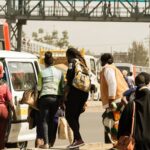
For a woman living in an African city, public transport can be a daunting experience. Women usually plan their trips in advance, and consider a multitude of factors before setting out: What is the safest way to reach the bus ...
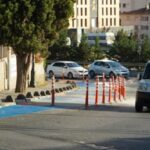
Although it is widely recognized that gender disparities are echoed in the design and operation of urban transportation systems, gender-responsive transportation planning is still in its early stages. Drawing from the TOPUK project, which stands for “Women Accessing Public Transport,” ...
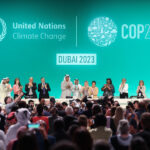
The COP28 climate talks began with a new fund to address the increasingly severe losses and damage vulnerable countries face from climate impacts and concluded with the first international agreement to tackle climate change’s main driver: fossil fuels. Those bookends to the Dubai summit ...
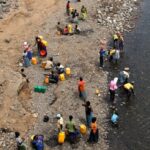
New data from WRI’s Aqueduct Water Risk Atlas show that 25 countries — housing one-quarter of the global population — face extremely high water stress each year, regularly using up almost their entire available water supply. And at least 50% of the ...

Today’s city leaders face a level of complexity and rapid pace of change that can be overwhelming. Particularly in developing countries, urbanization is unfolding quickly and often haphazardly. One in three urban residents worldwide lack adequate access to at least ...