


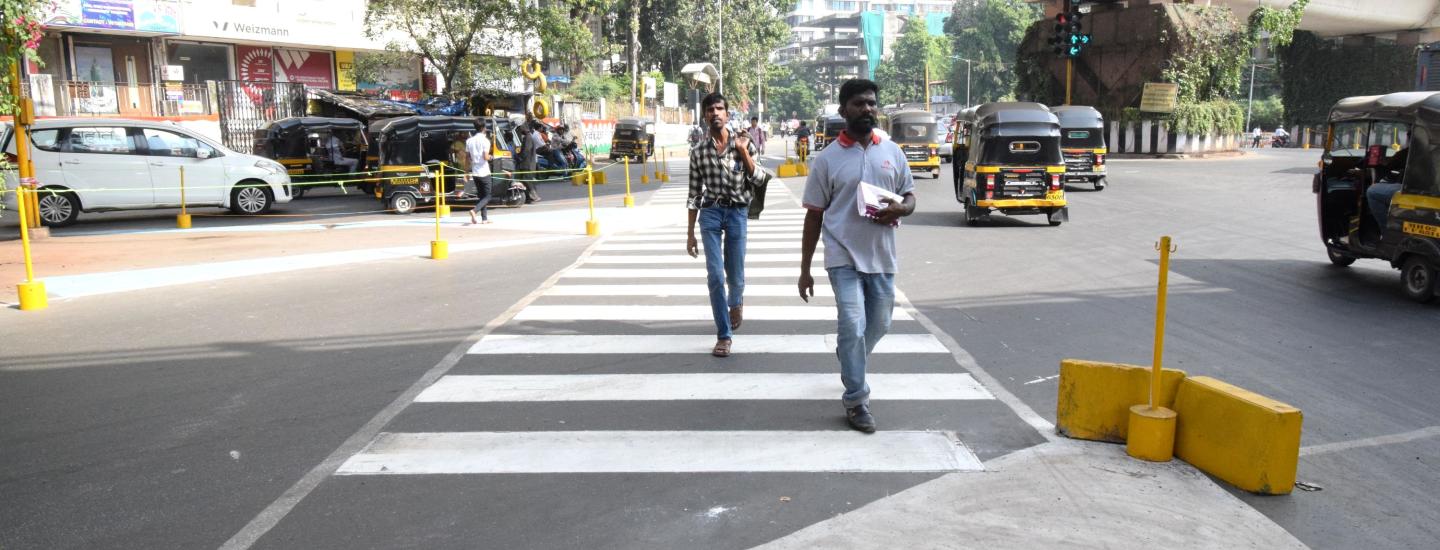
People don’t just use streets; they respond to them. The placement of curbs, alignment of crossings and painted markings directly shape how safely and predictably people move. How people interpret the physical cues received from their environment determines their decisions and movements.
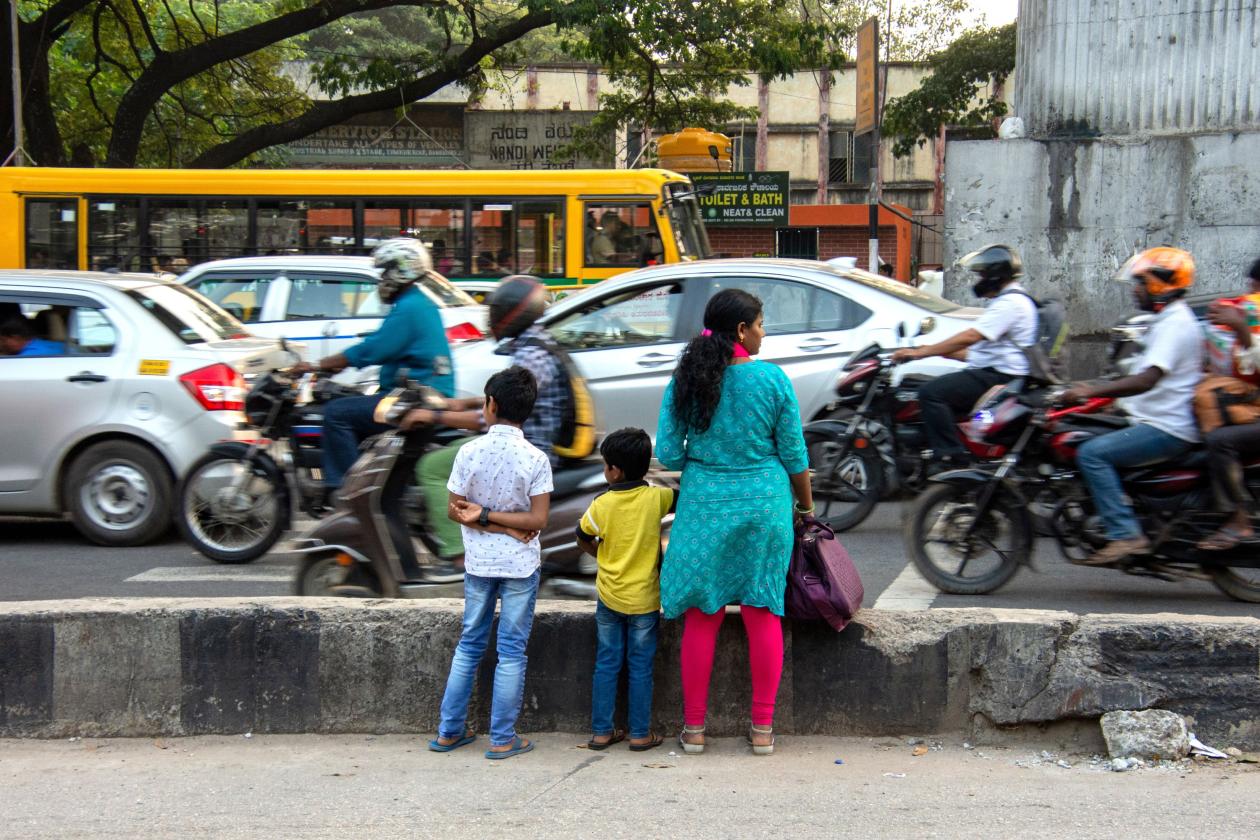
In Indian cities, we often observe a mismatch between the intended design and actual usage of spaces. People crossing at undesignated locations, walking along carriageways or driving into pedestrian zones are common sights. Most of these aren’t acts of defiance or a result of lacking civic sense; they are behavioral responses to streets that don’t align with human logic or convenience.
Design as a Behavioral Tool
Good design doesn’t demand good behavior; it inspires it. As long as design contradicts human behavior, enforcement will remain a challenge. However, if design aligns with and accounts for human instincts, we can build streets that ensure safety.
Design can be an ally to enforce and guide people’s movement without the need for signs, barriers or constant policing. Behavioral design is about predicting how people will move. It borrows from psychology and ergonomics to make the right movement an obvious choice. A well-placed crossing invites compliance, a tight turning radius reduces speed and signals caution. A textured surface is more than an aesthetic design element; it indicates where to walk.
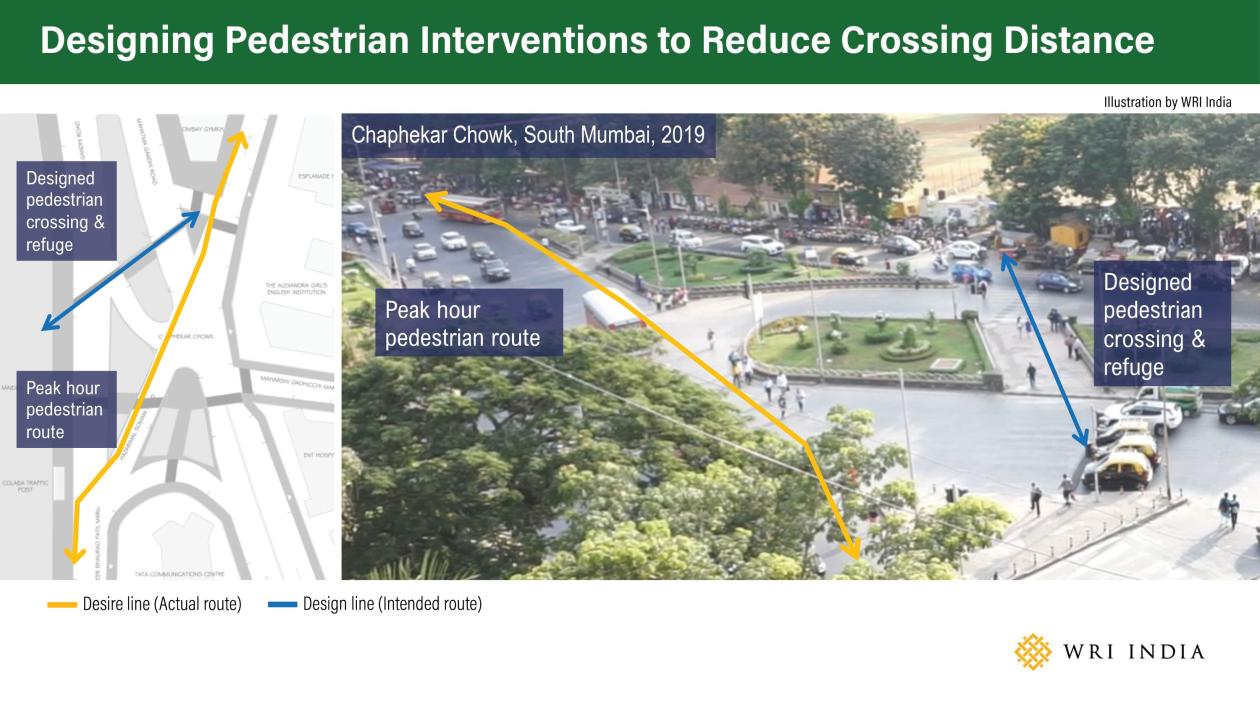
People often create their own paths when the designed route doesn’t match their needs. These informal paths, known as desire lines, reveal where movement feels natural or convenient. When design ignores these patterns, people end up carving routes that diverge from the intended design, creating tension between how streets are meant to function and how they are used.
Evidence From Cities
The way streets are conventionally designed in many Indian cities still places disproportionate expectations on enforcement and regulation to ensure safe and efficient movement of people and vehicles. In 2025, WRI India published a report evaluating the decade-long efforts to create safer streets in Mumbai. The findings from the report reinforce something the urban designers have known: street design can act as a behavioral tool.
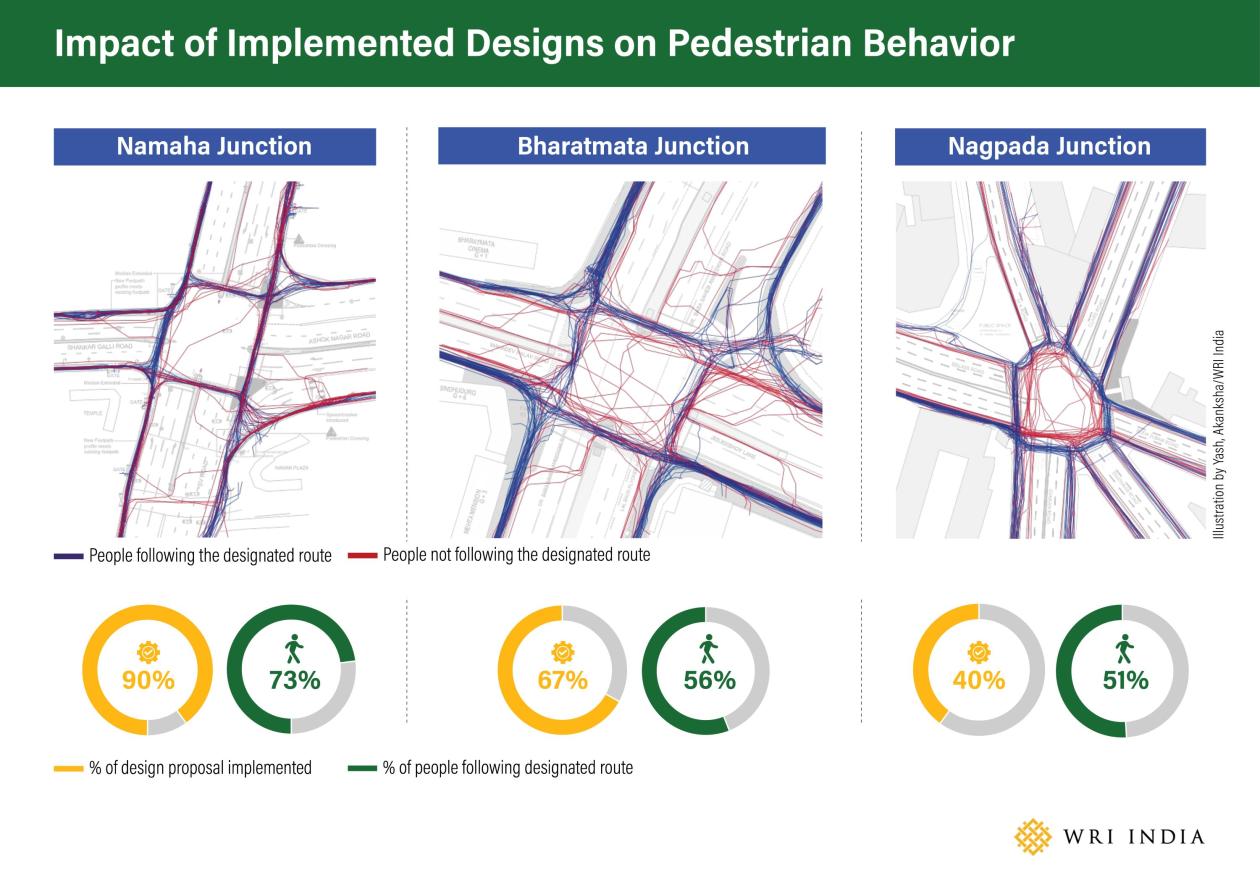
Pedestrian behavior mapping revealed that people were more likely to follow designed routes where safe-street features were implemented. At Mumbai’s Namaha Junction, where 90% of the proposed design was implemented, pedestrian compliance was highest: 73% used the designated paths and 53% used the designated crossings.
Such findings aren’t just limited to Mumbai. These patterns are consistently observed across the world. For instance, woonerf streets in the Netherlands naturally slow down vehicles without relying on speed-limit signs. A carefully integrated blend of traffic-calming measures, the woonerf model was pioneered by the Dutch government to prioritize residential safety through design. Narrow carriageways, shared surfaces, tight turning radii and a lack of curb hierarchy were used to discourage speeding on residential streets.
London’s Kensington High Street is another example of how simple and legible street design can promote safer behavior more effectively than heavy infrastructure. In the early 2000s, the Royal Borough removed barriers instead of adding them, widening footpaths with consistent surfacing, adding clearly marked crossings and removing nearly 600 meters of pedestrian guardrails, excessive signage and visual clutter. The impact was immediate and visible. A cleaner visual field encouraged eye contact and made both drivers and pedestrians more aware of one another. Over three years of monitoring, injuries from vehicle collisions fell by about 43%.
Mind the Design Gap
The Mumbai study also showed that partial implementation of designs results in partial compliance. Despite safe design interventions, we found that 62% pedestrians used the designated paths and only 40% adhered to the marked crossings. These deviations were not rule-breaking, but responses to an environment that didn’t fully support the intended movement. Obstructions, damaged surfaces, parking spillovers, lack of designated spaces for vendors and incomplete implementation pushed people off the designed route.
The findings highlight the need for regular behavior observation, not just post-project checks. Every major redesign, road widening or metro interface should study how people adapt and feed those insights into the next iteration. To make Indian streets safer and more intuitive, cities need to build behavioral design thinking into projects from the start, not treat it as an afterthought.
A few tangible ways to embed behavioral design as default street practice are:
- Align pedestrian crossings with actual desire lines to ensure compliance.
- Tighten turning radii at corners to prevent speeding during turns.
- Add median refuge islands for people to cross. This reduces cognitive load by shortening crossing distances and making crossings feel easier.
- Provide texture and surface differentiation to offer legibility and ensure surfaces are free of trip hazards (e.g., which surface is walkable vs. which is for vehicles).
- Eliminate visual clutter like high signage or advertisement boards that block sightlines to crossings or islands.
Each small intervention has an outsized behavioral impact. When applied consistently, they can make compliance feel instinctive rather than enforced.

Behavioral change and compliance often begin with small, precise design cues that make movement on the streets intuitive. Behavioral nudges take time, so patient investment is needed to embed behavioral design thinking in everyday city practice. By making the right choice also the easiest one, street design can help ensure that the streets of our cities become safe and inclusive.
This article originally appeared on WRI-India.org.
Akanksha Aggarwal is Program Manager for the Sustainable Cities & Transport program at WRI India.
Yash Siroliya is Senior Program Associate for the Sustainable Cities & Transport program at WRI India.