


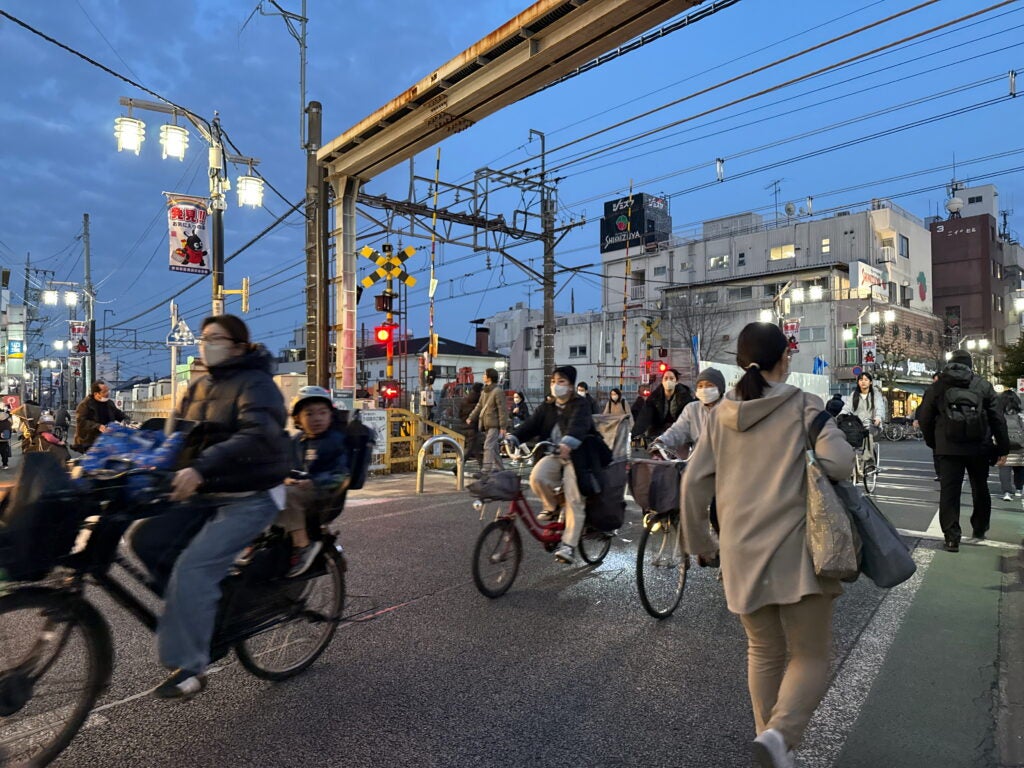
Despite a lack of dedicated bicycle infrastructure, Tokyo is among the world’s great cycling cities, with 14% of all trips made on two wheels. The city’s narrow roadways discourage through traffic and require slow speeds, creating an informal network of shared streets. Since the 1970s, cyclists have also been tolerated on the sidewalks of larger roads, providing provisional protection from cars. But, unlike many bike-friendly cities, a majority of Tokyo’s cyclists are women.
Bicycles are indispensable to women in Tokyo, who typically do the unpaid work of caregiving — picking children up from school, taking care of elderly relatives, grocery shopping and running errands. Women on bikes are so prevalent that the bicycle most often used for daily rides and errands is called a “mamachari,” literally a “mom’s bike.”
Today, mamacharis and their riders are under threat. In April 2026, Japan’s Road Traffic Act was updated, introducing penalties for more than 100 cycling violations as part of an effort to improve safety, including the norm of riding on sidewalks. Now, cyclists can be fined up to 12,000 yen (about $76) under the new “Blue Ticket” system. Worse, they may be deterred from riding out of fear of being cited. More than 2,000 penalties were issued in the first month alone.

The need to improve road safety is undeniable; pedestrians and cyclists make up approximately half of all traffic fatalities in Japan. But without reallocating street space to protect rather than penalize cyclists on large roadways, women stand to lose the freedom of mobility. To increase road safety for all, the voices of the most vulnerable riders — moms, who often travel with kids in tow, and the elderly — must be understood and reflected in the future design of their streets.
Satoko Kishimoto, the first female Mayor of Suginami (one of Tokyo’s 23 wards), has supported a process that allows residents to do just that. Her “Design Dialogues” have engaged more than 16,000 residents in conversations about the future of their ward. Kishimoto says that in government, “We have a lot of information, but we don’t know what the future should look like. My approach…is to disclose information, then create a common ground to be able to talk with each other based on the same information.”
Kishimoto believes that when government is transparent about data, people can develop solutions to the challenges they face. She says it is difficult to quantify how people experience their neighborhoods: “You cannot measure culture, the landscape, the ecosystem, and people’s lives and affection” for the places they live. She says plainly, “Consensus is only possible through dialogue.” As Kishimoto runs for a second mayoral term, with elections in late June 2026, she aims to continue this process.
Kishimoto was first elected in 2022 with the support of progressive community groups, including the Nishiogi Research Institute (Nishiogi is one of Suginami’s historic neighborhoods). The Institute’s headquarters, the Koto building, serves as a hub for informed dialogue about the neighborhood’s future. Aya Okuaki, who programs and manages the space with her husband Kei says, “The Koto Building is constantly buzzing with activity and broadcasting interesting ideas.”

On the ground floor is the Koto Café, which hosts community programs daily and incubates local businesses. Upstairs is the Nishiogi Cinema, where Kishimoto first announced her candidacy at a screening of “Citizen Jane: Battle for the City,” a documentary about American journalist and activist Jane Jacobs’ campaign to stop an expressway from cutting through Washington Square Park. The choice was not accidental.
Like Jacobs’ treasured park, the Koto building is also under threat — slated for demolition as part of a road-widening project. In Suginami, many narrow roads are gradually being widened to at least 4 meters, but the Municipal Development Plan aims to widen priority roads even more. Some of these widenings are intended to address fire prevention and disaster preparedness; others are proposed to “relieve congestion.” By occupying the building, the Nishiogi Research Institute earned a place at the table in official discussions.
Before Mayor Kishimoto’s Design Dialogues, those official discussions often consisted of binary arguments, polarizing the community. According to Kai Okuaki, “Conflict arose because there was a lack of mutual understanding — they weren’t on the same page, nor were they sharing a common understanding of the underlying issues.”
That has changed. Now, the Nishiogi Research Institute is part of the Design Dialogues, with members serving on many of the working groups, including the Nishiogi Bike Team — more than half of whose members are women. These participants appreciate that their narrow roadways often mix pedestrians, bikes and cars without conflict. Inspired by Barcelona’s Superblocks, they are considering how these streets can evolve into welcoming public spaces. At the same time, drawing from London’s Low Traffic Neighborhoods, they seek to extend their existing informal bike infrastructure, creating safe connections between neighborhoods and better supporting the short, frequent trips that many caregivers make each day.
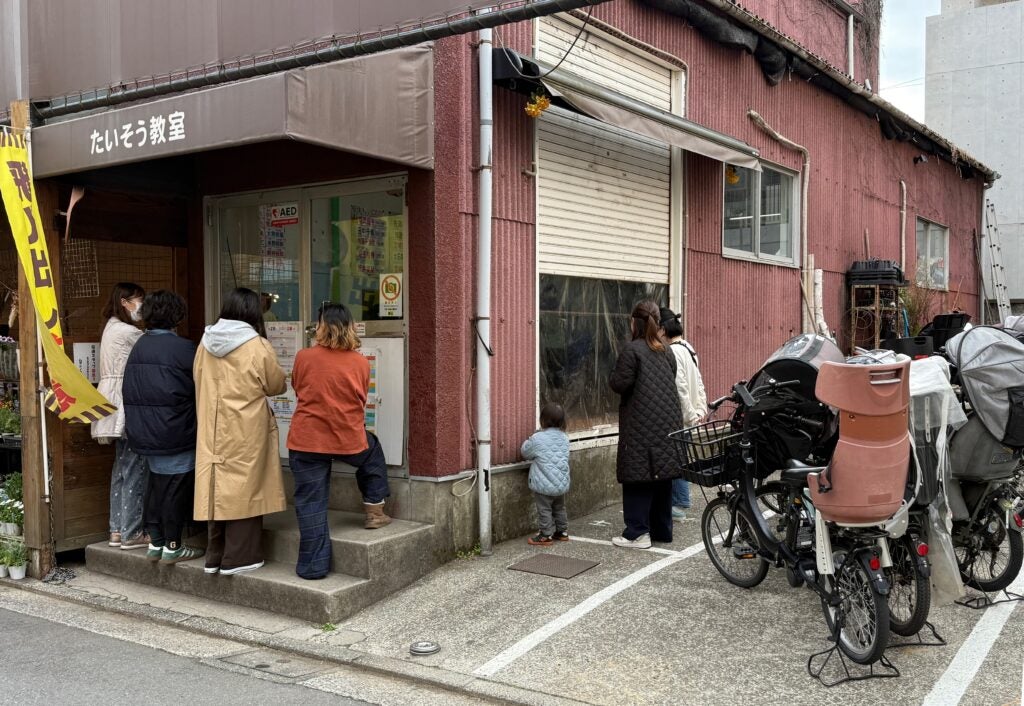
But they are also interested in developing Tokyo’s unique cycling culture. As the group’s organizer, urban researcher Yosuke Homma says, “My hope is that we can find our original Tokyo style for designing the neighborhood, not by just copying and pasting from other cities, but by finding an original solution.”
Unlike many western countries, where cycling collapsed in the 1950s and 60s as cars claimed road space, Tokyo fared better because of its informal bike network. But today, while cyclists are dramatically increasing in cities like Paris, they are on the decline in Japan’s three largest metropolitan areas. Kosuke Miyata, a member of the Cycling Embassy of Japan and the author of “The Bicycle City, Learning from the World,” says he is envious of cities with rising rates of cycling. “We have this gem of active transportation, but we are gradually losing it.” It is estimated that in just 15 years, the number of bicycles owned by Japanese people will decrease by 30 million, about 10 times the decline in population.
Miyata worries the new citations exacerbate these trends: “Just being unsure about the enforcement creates a huge barrier to cycling.” He acknowledges that riding on the sidewalks may be chaotic but points out that less than 6% of crashes were caused by cyclists while more than 88% were caused by drivers. He says the new rules address “the symptoms, not the cause.”
Referencing the compressed blue-painted sharrows common on Tokyo’s major six-lane roads, he says “We’ve given so much space to car traffic that cyclists have to fight over what’s left of the street. It just happens to be the sidewalk on Japan’s major streets.” Ultimately, to improve safety, Miyata claims that infrastructure must be provided for cyclists on major roads. This is especially crucial for the mamachari-riding women who, he points out, are burdened with 4.4 times more unpaid labor than Japanese men.
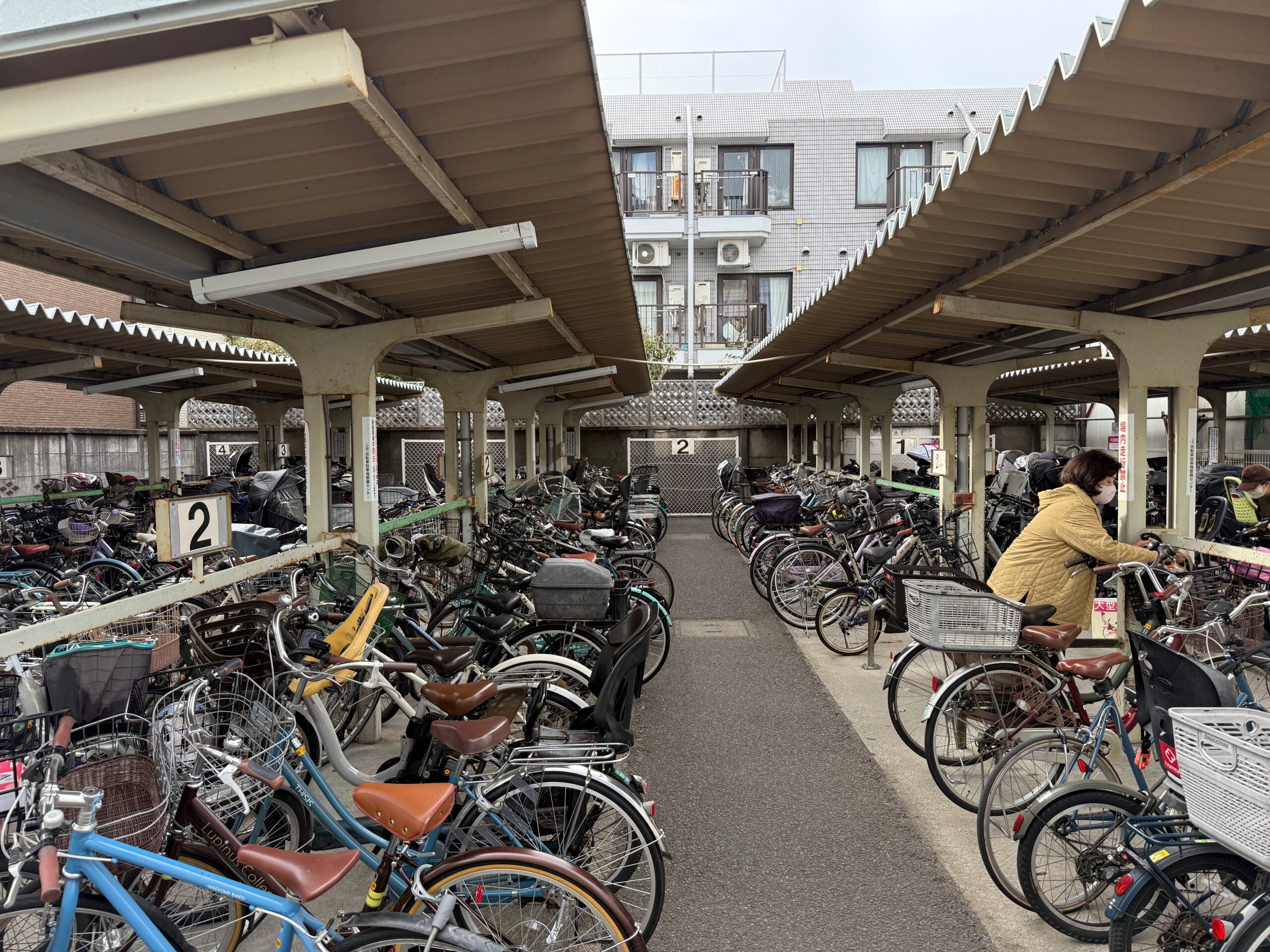
As safety is advanced in Tokyo, Suginami’s Design Dialogues provide a template for how roads can be made to serve people and, in the process, improve community connection. They show how informed communities can be engaged in the tradeoffs that affect their quality of life and activated by a common purpose. This is especially important for women, who comprise the majority of Tokyo’s cyclists. Tokyo’s extraordinary informal bike network deserves a share of formality to garner investment, ensure safety, and ultimately to protect the lives of the women who do the heavy lifting of caring for their families and communities.
Alison Sant is the author of “From the Ground Up: Local Efforts to Create Resilient Cities” and “Streetlife: Transforming Our Largest Public Spaces into Places for People,” and co-founder and partner of the Studio for Urban Projects.