


Posts tagged with 'Vulnerable Road Users'
Motorcycles are transforming urban transport around the world. In many cities, they already account for a significant share of daily trips; in others, motorcycle use is growing rapidly. While motorcycles improve access to jobs, education and economic opportunity, they also ...

Despite a lack of dedicated bicycle infrastructure, Tokyo is among the world’s great cycling cities, with 14% of all trips made on two wheels. The city’s narrow roadways discourage through traffic and require slow speeds, creating an informal network of ...
On most days, Doc Mau, a disability advocate and Manila local, walks between 5,000 and 10,000 steps on crutches, choosing routes within the city with even sidewalks and clearly marked crossings. She pauses to catch her breath along tree-lined paths ...

The electric vehicle (EV) market is showing steady growth in many parts of the world. In 2023, nearly one in five cars sold worldwide was electric, with China, Europe and the United States accounting for 95% of those sales. In ...

What does it take for cities to create a true systems change that creates a holistic, positive shift of the entire urban system? Finding and celebrating examples of this feat is at the heart of the WRI Ross Center Prize for Cities. Since ...
Mexico became the first nation to declare access to safe mobility a human right in 2020 and two years later passed the General Law of Mobility and Road Safety to protect people, reduce collisions and promote sustainable modes of travel. Now, with this new ...
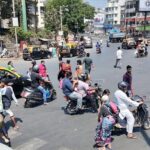
Most people in India walk – to work, to the market or to the railway station. According to the 2011 Indian census, 48% of people walk or cycle to work every day compared to the less than 3% of people ...
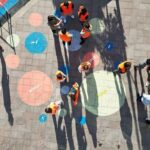
For decades, urban transportation policy and practitioners have favored a model of analysis that prioritizes increasing the speed of vehicles and the time saved for people as a result. While this may make sense on an intuitive level, it is ...
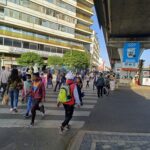
In Addis Ababa, road traffic crashes kill more than 400 people every year. This is largely due to unsafe street design that prioritizes vehicles over pedestrians, cyclists and other vulnerable road users. With the support of Bloomberg Philanthropies Initiative for ...
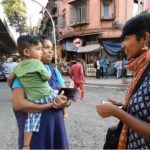
Intersections are among the most high-risk locations along any urban road, where multiple transport modes and commuters collide. In Mumbai, intersections cover only a fraction of the 2,000-kilometer road network but account for nearly 40% of all high-risk zones. Mumbai’s crash ...
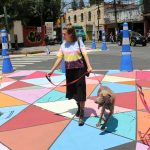
As the COVID-19 pandemic has altered urban landscapes and pushed many people toward active mobility, there’s increased urgency to make roads safer for walking and cycling. Many cities are now tasked with protecting more vulnerable users in addition to creating ...
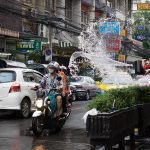
Too many of us have been personally touched by tragic road crashes that have maimed or killed a loved one. For far too many, Songkran – Thailand’s festival to celebrate the traditional new year – will be a moment not ...
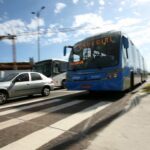
Since its beginning in Sweden in the 1990s, Vision Zero has become a global movement to prevent road fatalities and serious injuries by undertaking a Safe System approach to road safety. But despite the documented successes of the approach in ...
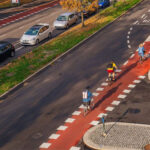
In 2015, the City of Oslo, Norway, made a commitment after years of rising transportation injuries to reduce car traffic and prioritize the safety of pedestrians, cyclists and the environment. Unlike in the United States and other countries where transportation ...
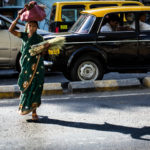
Road safety issues have reached a pinnacle in Indian cities. In 2013 alone, 140,000 people died in traffic crashes, and many more were severely injured. These premature deaths and debilitating injuries put an intense burden not just on families and ...