


Posts tagged with 'urban development'
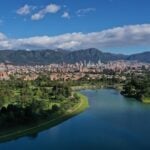
Well-located housing — integrated with mass transit, public services and climate-resilient design — is an instrument of urban productivity, not an add-on to urban planning. In Bogotá, this integration is becoming central to how the city responds to accelerating climate ...


Cities have always been shaped by the infrastructure they choose to host. Railways defined the industrial city. Highways reorganized post-war suburbs. Metro systems and airports rewired the geography of globalized urban economies. Today, another form of infrastructure is expanding rapidly ...

While our current food system has been effective at delivering food to global markets, it is simultaneously causing significant climate, health and ecological damage. As we all witnessed during COVID-19, our food system is also remarkably vulnerable to disruptions and, ...

2025 tested cities in ways both familiar and new. Urban areas faced intensifying heat, more frequent and severe climate-driven disasters, widening inequality, and political shifts shaping local and national agendas. Yet cities also emerged as centers of leadership and innovation, ...
Cities and states have aimed higher and moved faster on climate action than national governments. The reason is simple: To local leaders, climate problems and solutions matter because their constituencies are directly impacted by them. Extreme heat, flooding and air ...

Cities are complex ecosystems shaped by countless interactions between infrastructure, ecology and human life. As evolving technologies, shifting social norms, climate change and political instability reshape the urban landscape, these systems face increasing pressure. Rapid urbanization, in particular, has made ...

Building solutions for urban peripheries — the sprawling, poorly served, low-income informal neighborhoods on the outskirts of Brazilian cities — requires recognizing their value. Brazilian peripheries, while poor, often have knowledge, organizational forms and collective practices that are already helping ...

Walking through Nyandungu Eco-Park in Kigali, Rwanda, it’s difficult to imagine that just a few years ago, industrial machinery and bedraggled grasses stood where lush trees and flowers now grow. Like in many wetlands across the city, the incursion of polluting industry ...

This op-ed was originally published by Context, the media platform of the Thomson Reuters Foundation, on June 16, 2025. Read the original piece here. A new study has found that 4 billion people – half of the world’s population – endured ...

Despite accounting for less than 3% of global terrestrial area, cities have had an outsized impact on our approach to planetary boundaries, affecting biodiversity and consumption of materials and energy. Studies show that cities have become responsible for 78% of carbon emissions, ...

Extreme weather events like floods and droughts are becoming more frequent and intense around the globe, disrupting communities and the infrastructure they rely on. In 2024 alone, the world endured 58 disasters that wreaked over a billion dollars in damages each. Yet ...

As countries prepare their updated nationally determined contributions (NDCs) for submission ahead of this year’s UN climate change conference (COP30), there is growing recognition that effective climate action requires strong collaboration between national and subnational governments. Only about a quarter ...

Colombia is currently updating its Nationally Determined Contribution (NDC), which will be submitted to the United Nations Framework Convention on Climate Change (UNFCCC) later this year. This update aims to highlight Colombia’s national priorities, such as biodiversity and food security, ...

India’s urban centers are grappling with a severe air pollution crisis that poses a significant threat to public health and urban livability. Studies suggest that each year, Delhi records approximately 12,000 air pollution-related deaths, accounting for 11.5% of its total fatalities. Despite ...

The evidence is clear: the climate crisis is not gender neutral. Climate change is a threat multiplier. As instability intensifies, women are increasingly subject to conflict and its externalities, including gender-based violence and persecution. And because women are disproportionately represented ...