


Recent Posts by Fernando

When the weather heats up in Belo Horizonte, residents of Morro do Papagaio get creative. “A lot of people put their blankets in the refrigerator,” said Amanda Lima, a 24-year-old university student, activist and resident of the south-central region of ...


Building solutions for urban peripheries — the sprawling, poorly served, low-income informal neighborhoods on the outskirts of Brazilian cities — requires recognizing their value. Brazilian peripheries, while poor, often have knowledge, organizational forms and collective practices that are already helping ...

As the first week of COP29 drew to a close with intense debates on climate financing and ambitious targets, and just days before the G20 Leaders’ Summit, another international forum turned Rio de Janeiro into the epicenter of discussions on ...
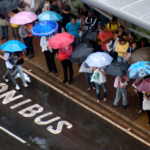
The adoption of any new technology involves some degree of adaptation, and battery electric buses (e-buses) are no exception. After decades of experience with diesel vehicles, cities and operators need to understand the technical and operational specifications of e-buses to ...
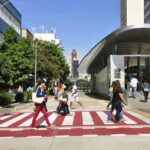
Urban development in many cities around the world prioritizes making space for cars over pedestrians, cyclists or public transportation. In Brazil, this design led to an average of more than 30,000 annual road crash fatalities nationwide by the turn of the century, ...
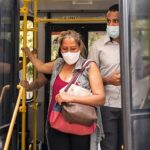
The COVID-19 pandemic has made existing knowledge about how, why and where people travel largely obsolete. Even as some cities recover, travel patterns have changed. One thing is clear: around the world, public transport ridership declined precipitously and has not ...

As the COVID-19 outbreak disrupts mobility worldwide, more and more cities are transforming their streets to increase space for walking and cycling and reduce car use during and after the pandemic. These changes are designed to help people get around ...