


Posts tagged with 'transparency'

Data centers are poised to consume land, water and power across the United States at an unprecedented rate. Driven by artificial intelligence, cloud computing and supportive government policies, U.S. data centers’ power capacity could reach 194 gigawatts (GW) by 2035, ...


In large and geographically diverse countries like Brazil, India and Indonesia, climate risks vary greatly across regions — from wildfire threats in forest communities to severe flooding in coastal villages to intensifying extreme heat in major cities — requiring locally ...

The effects of climate change are being felt on every continent, from biodiversity loss to heat waves, floods to droughts. Acting quickly is essential for avoiding even more dangerous impacts. Yet at the same time, we face a global landscape increasingly shaped by geopolitical tensions, ...
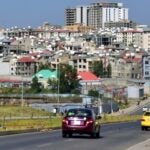
Water is a lifeline for cities. Yet, in Addis Ababa, that lifeline is growing tenuous. Over the past decade, the city’s water supply has dwindled dramatically due to intense urbanization, lagging infrastructure and non-revenue losses, landscape degradation and the growing ...
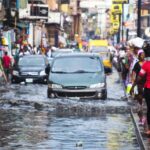
In a time of polycrises – from economic and political instability to health and environmental emergencies – water is a resource that cannot be relegated to the background. Especially in urban environments, water demand is ever-increasing and in too many ...

As the world moves towards a green energy transition, effective, equitable and efficient energy governance is crucial to ensure the energy needs of the most vulnerable populations are met and nobody is left behind. This transition, and the future success ...

This year is a critical moment for climate action. The mounting impacts of climate change, from floods and droughts to hurricanes and heat waves, are taking a major toll on human lives and economies globally — particularly in vulnerable developing nations ...
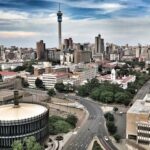
South Africa’s cities are economic engines, drawing workers across the country and the continent. Of the country’s 58.8 million population, 68% live in urban areas. Between 2000 and 2014, urban area in South Africa expanded by 1,464 km2. Population projections ...

Let’s not forget what we learned during 2020 about the fragility of our food supply chains: the prevailing, globalized model is as fragile as a spider web. It can shatter into dangling threads in times of crisis, such as a pandemic ...
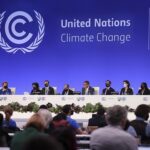
The long-awaited COP26 climate summit in Glasgow has come to a close, making important progress in a number of areas — but not enough. The world still remains off track to beat back the climate crisis. Recognizing the urgency ...

In many cities, lockdowns have forced large numbers of people into an impossible dilemma: follow social distancing guidelines or be deprived of their livelihoods and basic services. Unlike most places, South Korea and its capital, Seoul, took a markedly different ...

The COVID-19 pandemic is laying bare two unavoidable facts about our new reality: we are more interconnected than ever, and cities are at the frontlines of this crisis and will be at the frontlines of any similarly globalized crisis in ...

International consensus on cross-border environmental issues has been difficult to achieve, but the 40-year-old Convention on Long-Range Transboundary Air Pollution (or LRTAP as it is known to development professionals) has enjoyed great, if largely unsung, success in the fight against air ...
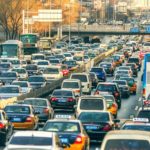
Beijing is one of most congested cities in the world, with over 6 million cars on its roads. In 2017, drivers spent on average just under three hours in traffic each weekday. Data from the navigation app AutoNavi shows Beijing ...

Over the last decade, India has established itself as one of the fastest growing economies in the world. Along with an annual GDP growth rate of 7.1 percent, the country is adding over 12 million people to the workforce every year. Coupled ...