


Posts in the 'Nature-Based Solutions' category

The city is a difficult place for a tree to survive. Compared to their counterparts in the countryside, urban trees generally get less water, suffer more intense heat, compete for space with unyielding infrastructure and frequently become riddled with disease ...

As coronavirus restrictions ease around the world, many consider a walk around their neighborhood for some fresh air to be a welcome break from confinement. However, socioeconomic status could greatly affect the landscapes people find on these strolls, particularly in how much ...
Water is essential to human health and well-being. In cities, leaders strive to provide secure access to clean, safe and affordable water. In rural areas, farmers hope for adequate rain and healthy rivers to produce healthy crops. The coronavirus pandemic ...
Cyclone Amphan slammed into countries surrounding the Sea of Bengal this May. The storm was the second most powerful the region has seen in two decades, affecting over 12 million people in four countries. In Bangladesh, the water surged up to 4 ...
Capital City, a (hypothetical) seaside metropolis, has a growing population. However, much of its infrastructure was built 100 years ago and is straining from deferred maintenance, unable to meet the city’s future needs. To make matters worse, Capital City has ...
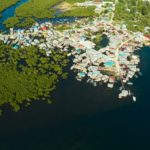
In Indonesia, climate change is already a pernicious threat. More than 30 million people across northern Java suffer from coastal flooding and erosion related to more severe storms and sea level rise. In some places, entire villages and more than a mile ...
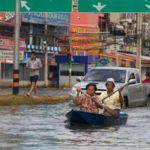
Flooding has already caused more than $1 trillion in losses globally since 1980, and the situation is poised to worsen: New analysis from WRI’s Aqueduct Floods finds that the number of people affected by floods will double worldwide by 2030. According to data from ...
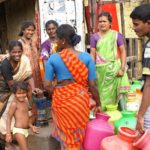
As the coronavirus crisis spreads throughout the world, it is increasingly clear that people with the least access to essential services like water will feel the most dramatic effects. Major health organizations advise washing hands more frequently – for at least ...

“Acknowledgement, voice and the right to negotiate” – that’s what’s needed to bring the world’s urban poor back into the system and begin creating cities that work for everyone, said Sheela Patel, chair of Slum/Shack Dwellers International (SDI), at the 10th ...
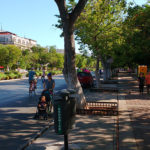
Mérida, a city in Mexico’s lush Yucatán Peninsula, is home to 2.3 million trees, which cover more than 20% of the metropolitan area. Mérida’s officials know that these trees provide benefits to the residents, but until recently they didn’t know how ...
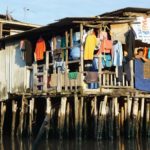
As thousands of urban leaders gather in Abu Dhabi for the World Urban Forum, the impacts of the climate crisis on cities have become more visible than ever. Severe floods tore through Jakarta last month. Heatwaves scorched cities from India to Europe last year. ...
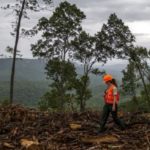
The Trillion Trees Initiative has garnered support from business and political leaders around the world. U.S. President Trump highlighted the initiative as the cornerstone of his plan to protect the environment, a rare shift for an administration that has moved to withdraw ...
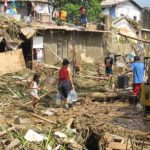
In Pasig City, Philippines, southeast of Manila, there’s an apartment complex with whitewashed walls and colorful trim. It’s an unassuming set of buildings, but a globally important one. The Manggahan Low Rise Building Project is a climate-resilient building, meant to ...
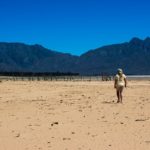
When Cape Town, South Africa, and Chennai, India nearly ran out of water, these two cities managed to avert Day Zero with solutions that were creative and effective but far from perfect. In Cape Town, there were mile-long queues of people waiting for hours for water. ...
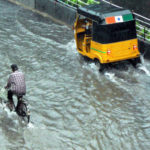
Tamil Nadu state in south India suffers from seasonal extremes in water availability. Sometimes there is too much water, and in other seasons not enough. Chennai, the coastal capital of 10 million people, experienced a “Day Zero” crisis this summer, ...