


Posts in the 'Clean Energy' category

Urban freight vehicles constitute less than 10% of vehicles on the road in most cities, but they account for a disproportionate amount of transport-related CO2 emissions and pollutants. According to the Beijing Transport Institute, freight in Beijing accounts for around ...

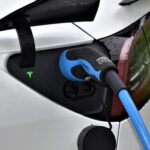
In his first week in office, President Biden signed an executive order that gives federal agencies 90 days to devise a plan that fully transitions the federal fleet’s roughly 650,000 vehicles — including about 225,000 postal vehicles, 173,000 military vehicles ...
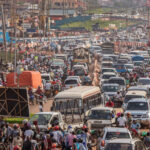
Climate change is the defining challenge of our time, and clean energy and green transport are the keys to addressing it. Less than two decades ago, energy emissions seemed to be spiraling out of control as countries were locked into ...

COVID-19 has affected almost all aspects of transportation. For the public sector, economic shutdowns have gutted the tax revenue needed to buy and maintain government vehicle fleets. Perhaps no municipal entity has been hit harder than public transit agencies, which ...
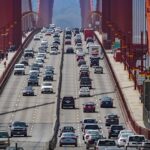
California will require that all new passenger cars and trucks sold in the state be emissions-free by 2035 – a move that is expected to lead to more than a 35% reduction in greenhouse gas emissions (GHG) and an 80% cut in ...

Left unchecked, urban freight will continue to be a major driver of the global climate crisis.

This is part one of our series on urban freight and achieving a “triple zero” bottom-line: zero emissions, zero road deaths and zero exclusion from core services and opportunities. A line of trucks files patiently into the Port of Shenzhen. ...

For years, city governments in the United States have taken the lead on committing to climate action, with more than 165 cities aiming for 100% community-wide clean energy. But whether ambitious goals translate to ambitious action is another question altogether, and ...
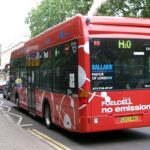
Companies like Toyota, Nikola and H2X are doubling down on hydrogen fuel cell vehicles and positioning them as alternatives to their more popular zero-emission counterparts, battery electric vehicles. These companies and some advocates believe fuel cell vehicles could be key to ...

Brazil faces a fundamental choice of how to address the convergence of multiple crises it is now seeing: health, economic and environmental. The COVID-19 pandemic exposed and multiplied the risks and weaknesses in our societies and economies, disproportionately impacting poor ...
As people stay home and city streets turn quiet, the COVID-19 pandemic has disrupted the global vehicle market. While many urban experts fear a turn to personal cars in lieu of public transport, few people so far are actually purchasing ...

Cities are a core driver of climate change, accounting for more than 70% of greenhouse gas emissions. Precisely because they are such big GHG emitters, cities can be at the forefront in tackling climate change by leading the switch to clean energy. ...

By 2030, more than 145 million people across the world will be impacted by flooding each year – many of whom live in coastal areas of the United States. Wildfires are growing rapidly in areas of the U.S. where they once were ...
More than 200 U.S. cities, townships and counties have adopted 100% clean energy targets. While some have already achieved them, many more are still trying to figure out how they will work with many stakeholders, most notably their electric utilities, to ...

Global annual greenhouse gas emissions have grown 41% since 1990, and they are still climbing. While emissions dipped notably in 2016, recent data suggests that carbon dioxide emissions rose each year since then. Where are these emissions coming from, and who is ...