


Thousands of local and regional leaders and their networks gathered in Brazil last month for the COP30 Local Leaders Forum in Rio and COP30 in Belém to respond to the call for a “COP of Implementation” — a COP that advances beyond procedural negotiations to the actual delivery of climate action.
Many cities, states and regions are already delivering climate action by transitioning away from fossil fuels, adapting to the impacts of climate change and supporting vulnerable communities every day. Their actions are living proof of implementation. But despite being on the frontlines of climate change, subnational actors and urban advocates are still left out of formal COP negotiations.
As the focal point for the Local Governments and Municipal Authorities (LGMA) Constituency to the United Nations Framework Convention on Climate Change (UNFCCC), I have experienced the evolution of the role of local and other subnational governments in the climate agenda. For the last 30 years, the LGMA Constituency has worked to gain recognition, engagement and empowerment in the COP process.
Though COP30 moved us several steps closer, we are still looking for the COP that will deliver a legacy of multilevel action and urbanization.
What Does Advocacy for Urban Involvement in UNFCCC Processes Look Like?
The LGMA Constituency is the voice of towns, cities, counties, territories, provinces, regions, states, devolved governments and other subnational actors in the UNFCCC process. It’s made up of accredited network organizations, such as national-local government networks (like the South African Local Governments Association and Germany’s association of cities, Deutsche Städtetag) and international networks (such as ICLEI – Local Governments for Sustainability and C40 Cities).
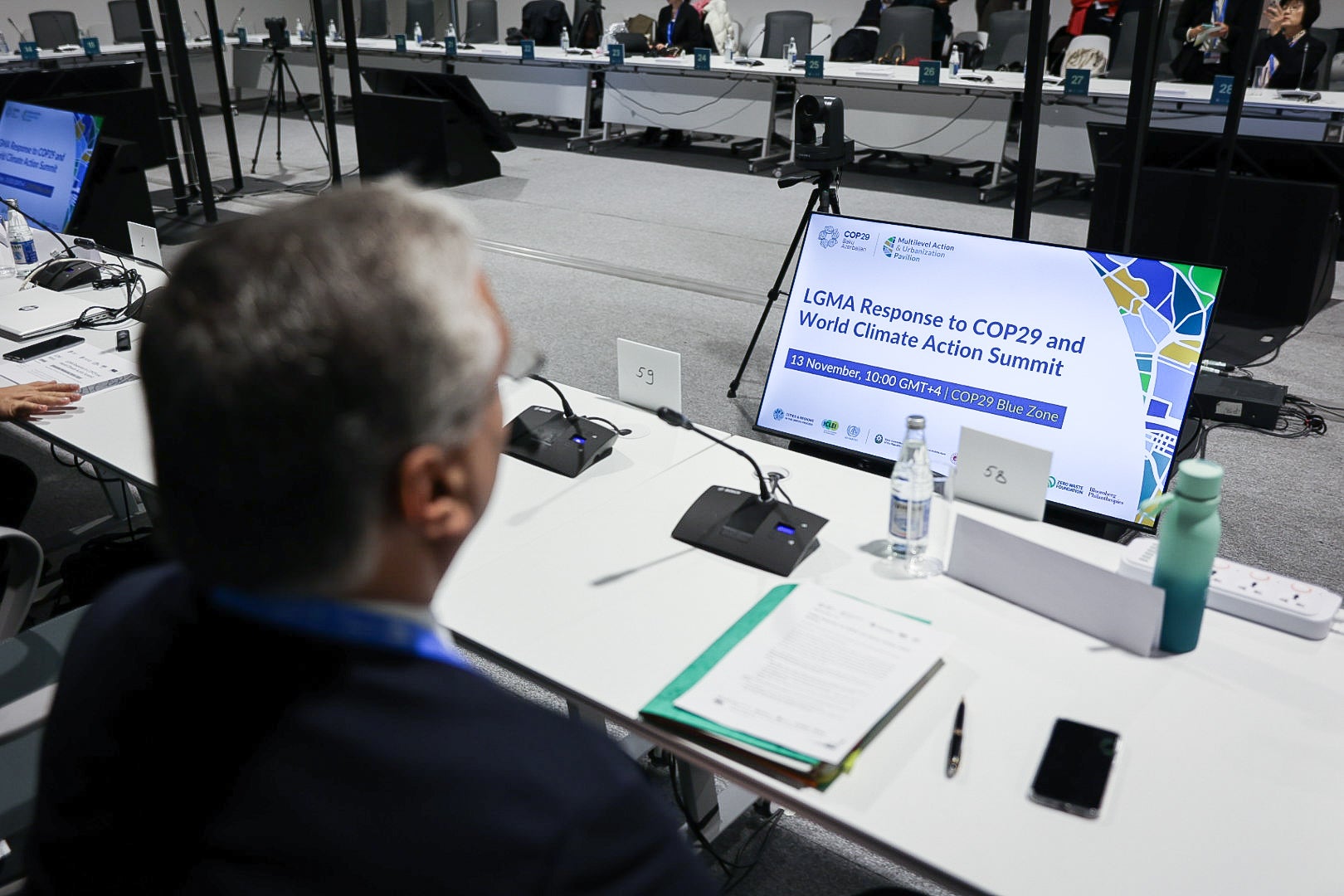
For each COP, the LGMA Constituency spells out goals in an annual “Joint Position,” providing a basis for our advocacy efforts, including official LGMA interventions. This year, more than 50 local and regional government networks endorsed the LGMA COP30 Joint Position, focused on driving advocacy efforts on just transitions, adaptation, finance, and multilevel governance and urbanization. In addition to this year’s Joint Position, we also released a compendium of national mobilization strategies to engage subnational governments in climate planning and implementation.
On the ground at COP30, building on the key messages of the Joint Position, the LGMA Constituency coalesced around a consolidated outcome that could move the dial on our inclusion into the formal processes of COP. Our goal was that the COP30 outcomes mandate a framework through which our contributions and actions could be counted and reflected within the process. Throughout COP, representatives from the LGMA Constituency met with Party representatives and the COP30 Presidency to try to land textual suggestions into the outcome documents.
Outside of the intense two weeks of COP, the LGMA Constituency continues to advocate for cities and other subnational actors by participating in UNFCCC events and engagements with Parties throughout the year, including regional climate weeks, meetings of Subsidiary Bodies, mid-year climate talks in Bonn and more.
COP30 Outcomes Highlight Subnational Actors and Multilevel Action
The ongoing advocacy of the LGMA Constituency helped achieve important outcomes at COP30, translating engagement into tangible recognition of subnational actors and multilevel action during the conference.
The Mutirão Decision — proposed by the COP30 Presidency and adopted by Parties — recognizes subnational actors, non-Party actors and all actors in various texts that give a basis for continued collaboration between all levels of government. Specifically, it “welcomes the efforts of all non-Party stakeholders in addressing and responding to climate change, including those of … cities and other subnational authorities in multilevel climate action.”
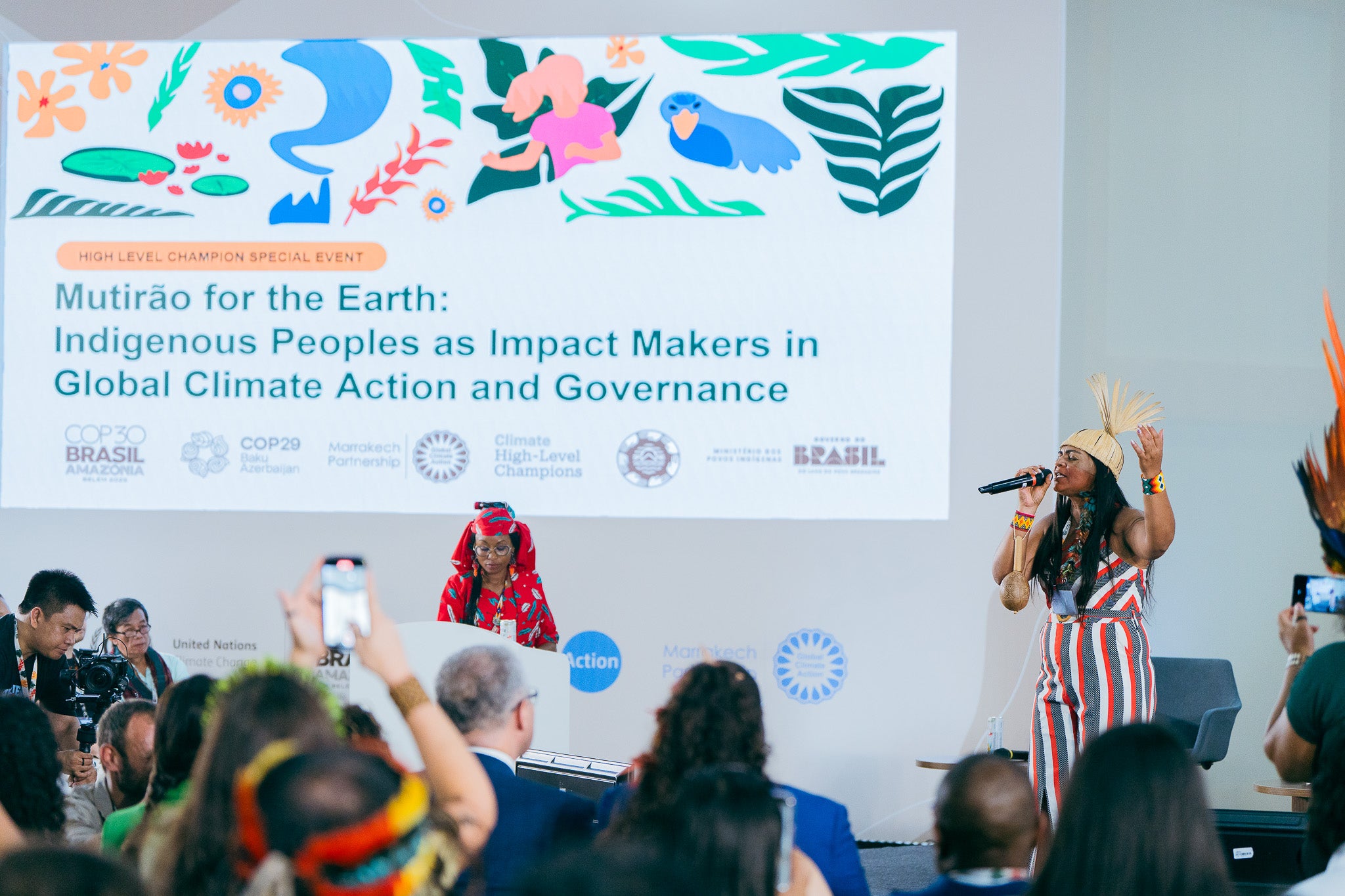
Additionally, COP30 showed more references to multilevel action in updates to the Mitigation Work Programme framework and newly adopted adaptation indicators, and saw the creation of a Just Transition Belém Mechanism (BAM) to address the needs of vulnerable populations on the frontlines of the climate crisis.
What Was Missing From COP30 Outcomes?
Despite these wins for subnational actors and multilevel action, COP30 still fell short: Ultimately, we were not able to achieve a legacy from Belém that institutionalized local and subnational government participation beyond our current position as an observer constituency.
Though the final COP30 Action Agenda explicitly recognizes cities and multilevel governance as central to implementation, the framework only provides limited and non-systematic integration of local and regional governments. In addition, important advancements on scaling climate finance and aligning flows still only offered minimal and indirect references to subnational governments — leaving the architecture for predictable, programmatic territorial finance largely undeveloped.
The Future of Local and Subnational Inclusion in the COP Process
While the negotiated outcomes of COPs are vital to creating shared multilateral frameworks for advancing climate action, they are not the only way for local and subnational governments to participate in the process.
Urbanization has found a home on the agenda of the last four COPs in the form of the Ministerial Meeting for Urbanization and Climate Change, which brings together two critical ministries for important dialogues within the COP agenda.
At the same time, the process of revising nationally determined contributions (NDCs 3.0) has drastically increased the inclusion of subnational governments in the content of NDCs. Initiatives like the Coalition for High Ambition Multilevel Partnerships (CHAMP) for Climate Action show a growing appetite for Parties to engage in multilevel collaboration.
Looking ahead, the biggest opportunity now on the horizon is the IPCC Special Report on Cities and Climate Change, due in 2027 ahead of COP32. The report will shine a spotlight on the role of cities in adaptation and mitigation efforts and has the potential to help drive structural change and resource allocation to where it is needed most.
Truly effective climate action is action taken in coordination across different levels of government. Parties are coming around to this idea, and it’s time for the COP process to reflect that.
Yunus Arikan is Director of Global Advocacy at ICLEI – Local Governments for Sustainability & the focal point for the LGMA Constituency to the UNFCCC.