


Posts tagged with 'Taxis'

Before sunrise in Bogotá’s southern hills, the day’s first passengers are already on the move. By 4 a.m., a fleet of aging SUVs, locally known as carritos, begin climbing the steep, unpaved streets of Ciudad Bolívar. They weave through neighborhoods ...


Most electric vehicle (EV) batteries are retired with as much as 70% to 80% of their original capacity remaining. They still work, but their performance no longer matches automotive requirements that demand full charging capacity for long-range driving. Over time, ...
When fuel queues stretch for kilometers and commuters wait hours hoping public transport will eventually show up, the fragility of Ethiopia’s transport systems becomes impossible to ignore. A recent national fuel crisis — triggered by global supply disruptions after the ...
As people live longer and more independently, many are finding that their city transportation systems are difficult to navigate: bus schedules don’t match the times they go out, payment platforms are harder to use or they’re physically unable to board ...
Moving around cities in a variety of ways is getting easier and more convenient: whether it’s improved public transportation systems, wider sidewalks or more dedicated bike lanes. With the rise of smartphone technology and GPS, shared mobility services — like ...

Cities are home to more than half the world’s population: 4.4 billion people commuting, working, eating, shopping, and using light, heat and air conditioning. As a result, cities collectively produce over 70% of the greenhouse gas (GHG) emissions warming the planet. They ...
Do informal transport networks in African cities provide equitable services for everyone that needs them? Unsurprisingly, the answer is often no. Operators frequently prefer to drive the safest and most central routes, inadvertently prioritizing commuters traveling to formal jobs in ...
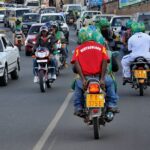
Like many parts of Africa, motorcycles are the most popular form of transportation among Rwanda’s 13.3 million people. Whether they’re commuting to work or school, transporting jugs of water from the local taps or just running everyday errands, people on ...

At COP28, global climate leaders congregated in Dubai for the annual opportunity to review countries’ progress on emissions reductions and to increase climate ambition. One of the conference’s focal points was how to rapidly and equitably transition away from fossil ...
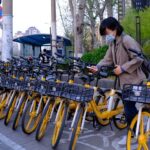
A new digital platform being piloted in cities around the world is making public transportation more efficient, economical and accessible, while encouraging low-carbon travel. Mobility-as-a-Service is an on-demand service that integrates various forms of transportation services into a single platform accessible ...

You start the day frustrated, your alarm clock ringing 30 minutes earlier than usual to try to beat the thousands of other morning commuters out the door. Battling bottlenecks has become your daily drill, from the side road shortcuts to ...
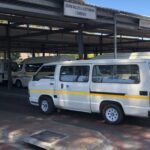
The minibus taxi (MBT) industry is the backbone of South Africa’s public transportation system with a fleet of approximately 250,000 vehicles, operated by thousands of providers, employing some 600,000 drivers. MBTs account for 80% of all journeys taken by taxi ...

There is no question that for the world to successfully slow and mitigate the effects of climate change, cities will need to transform. Currently, urban areas consume 78% of the world’s energy supply and produce over 60% of global greenhouse gas emissions. By ...

For decades, urban transportation policy and practitioners have favored a model of analysis that prioritizes increasing the speed of vehicles and the time saved for people as a result. While this may make sense on an intuitive level, it is ...
The momentum towards low-carbon and sustainable transport is growing globally, but the sector still lags behind many others and each country faces a unique path to travel. Political landscapes, regulations, industry interests, market set-ups, financial resources and social considerations all ...