


Posts tagged with 'Singapore'

Cities and towns in the Mediterranean and the Middle East have long used white or light-colored roofs and walls to help keep people cool. Today, cities from Ahmedabad to Singapore are also turning to cool roofs to reduce urban heat ...


As people live longer and more independently, many are finding that their city transportation systems are difficult to navigate: bus schedules don’t match the times they go out, payment platforms are harder to use or they’re physically unable to board ...

Cities have always been shaped by the infrastructure they choose to host. Railways defined the industrial city. Highways reorganized post-war suburbs. Metro systems and airports rewired the geography of globalized urban economies. Today, another form of infrastructure is expanding rapidly ...

2025 is a pivotal moment for climate action. Countries are submitting new national climate commitments, known as “nationally determined contributions” or “NDCs,” that will shape the trajectory of global climate progress through 2035. These new commitments will show how boldly ...

This op-ed was originally published by Context, the media platform of the Thomson Reuters Foundation, on June 16, 2025. Read the original piece here. A new study has found that 4 billion people – half of the world’s population – endured ...

The way scientists and policymakers measure heat as they seek to combat rising temperatures across the world’s cities requires more nuance than just looking at the daily outdoor temperature. There are a variety of tools that can help show a ...

Imagine stepping into a city where sustainability isn’t just built upwards but also downwards. While cities worldwide grapple with intensifying climate risks—flooding, heatwaves and infrastructure strain—an untapped solution lies right beneath our feet. The underground isn’t just for subways and ...

Last year shattered global heat records. The world witnessed the effects of rising temperatures in the form of devastating wildfires, severe flooding, extreme heatwaves and more. Poor countries and communities who have contributed the least to causing the climate crisis ...
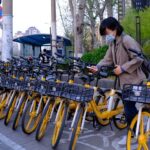
A new digital platform being piloted in cities around the world is making public transportation more efficient, economical and accessible, while encouraging low-carbon travel. Mobility-as-a-Service is an on-demand service that integrates various forms of transportation services into a single platform accessible ...

Residents of Jakarta, Indonesia woke up on August 31, 2023, to a thick blanket of haze and news that their city was again ranked the most polluted in the world — one of many times during the last several months when air quality became ...

New data from WRI’s Aqueduct Water Risk Atlas show that 25 countries — housing one-quarter of the global population — face extremely high water stress each year, regularly using up almost their entire available water supply. And at least 50% of the ...

To cut transport emissions, moving vehicles away from burning fossil fuels is a fundamental step. However, the e-mobility transition is not only an opportunity to reduce emissions but to modernize mobility across the board, from expanding access to public transport ...

Mayors from Latin America, Africa and Asia will be welcoming more than 90% of the new urban inhabitants in the next decade. Governing these ballooning cities is a continuing challenge, not just in terms of urban design and revitalization, but ...

Reducing carbon emissions in buildings will be critical to achieving the Paris climate goals and achieving net zero emissions by 2050. Buildings represent 39% of global greenhouse gas emissions, including 28% in operational emissions and 11% in building materials and construction. Global building floorspace ...

Capital City, a (hypothetical) seaside metropolis, has a growing population. However, much of its infrastructure was built 100 years ago and is straining from deferred maintenance, unable to meet the city’s future needs. To make matters worse, Capital City has ...