


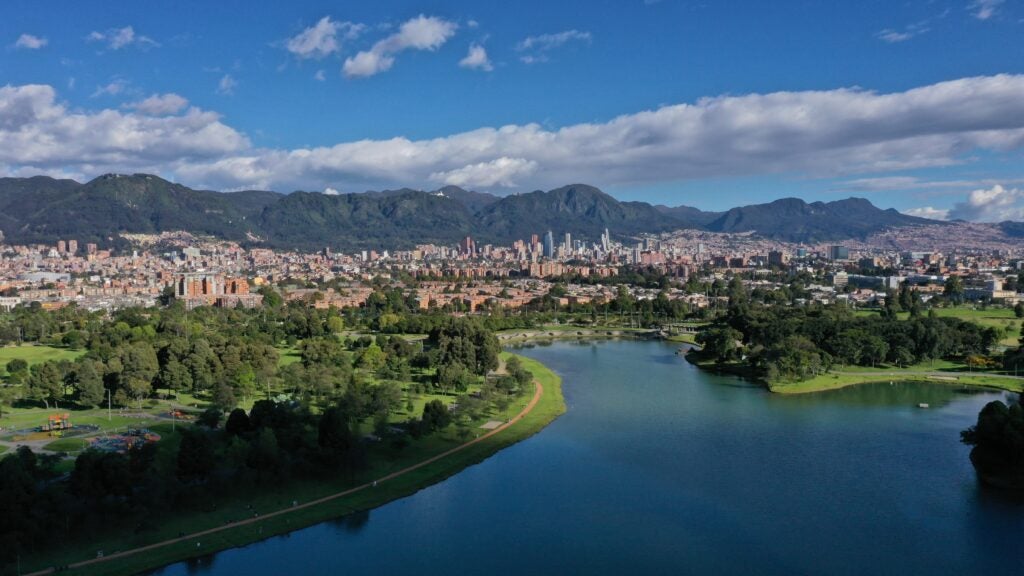
Well-located housing — integrated with mass transit, public services and climate-resilient design — is an instrument of urban productivity, not an add-on to urban planning. In Bogotá, this integration is becoming central to how the city responds to accelerating climate impacts.
Through its “Mi Casa en Bogotá” strategy, the Colombian capital is positioning housing, public services and urban revitalization as interconnected tools for climate resilience, environmental sustainability and social equity — an approach with lessons for cities across the Global South.
Drawing on UN-Habitat’s New Urban Agenda as its primary conceptual framework, as well as urban regeneration models from the World Bank and housing programs in Jamaica, Mexico and Indonesia, the strategy emerged from a fundamental question: how can a city of 8 million inhabitants expand housing while creating more livable, sustainable neighborhoods?
From these foundations, Bogotá’s District Secretariat of Habitat (SDHT) developed an approach centered not only on how much the city should grow, but where and how, prioritizing the recovery of underutilized infrastructure in already-consolidated urban zones and placing housing at the center of revitalization policy. The long-term goal is a structural transformation in how Bogotá’s most vulnerable residents access the city, with better services, better locations, and a stronger foundation for economic and social mobility.
Between 2024 and 2027, Bogotá will allocate 1.1 trillion Colombian pesos (approximately $297 million) to housing subsidies, urban revitalization, home improvements and social rental programs. The new strategy includes 60,000 housing subsidies, 12,000 home improvement interventions and 20 revitalization zones, integrated with mass transit systems and public infrastructure.
The result is a holistic urban development model that links housing, mobility, public services, clean energy, sanitation and public spaces. Rather than treating these sectors as separate policy priorities, Bogotá views them as interconnected investments that can simultaneously improve quality of life, expand access to opportunity and reduce environmental pressures.
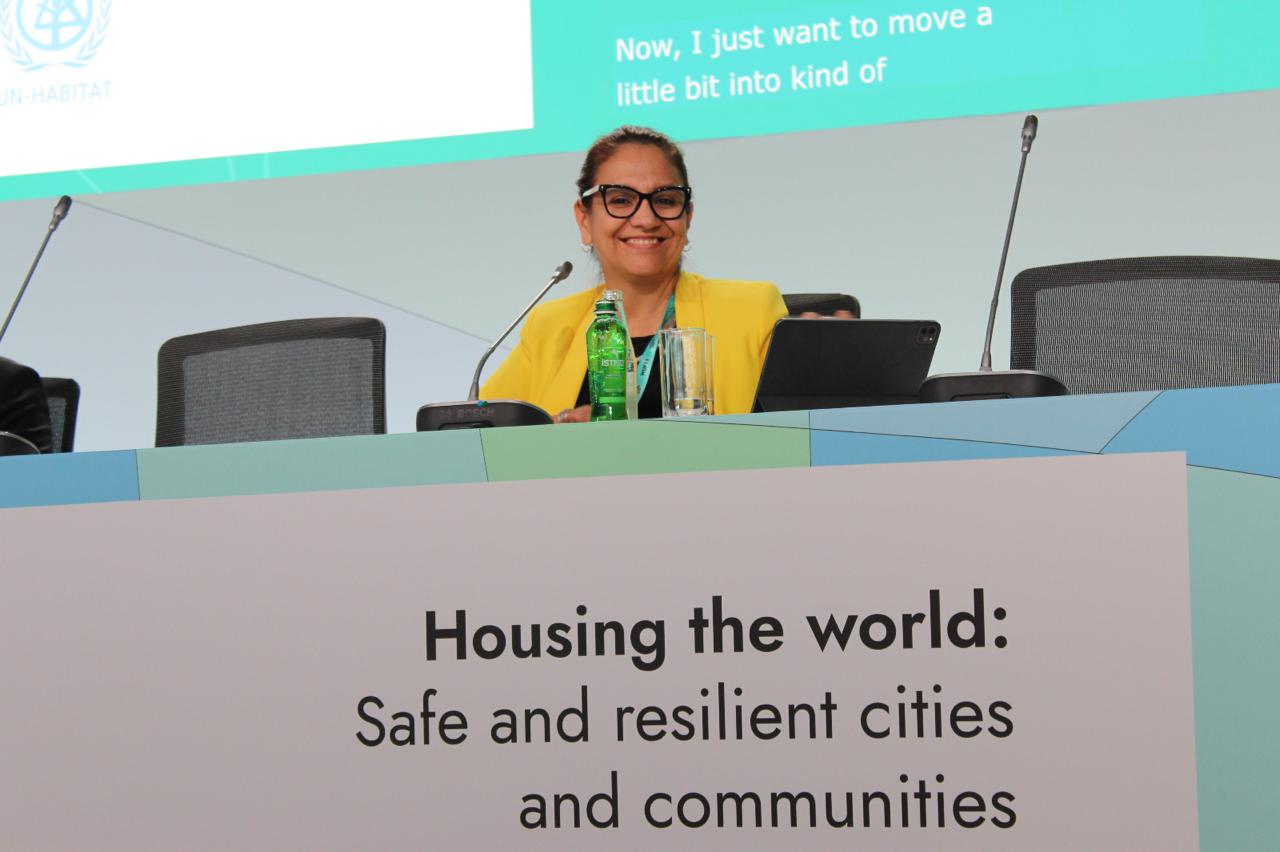
Presented at the 13th Session of the World Urban Forum (WUF13) by SDHT, the model frames housing not simply as infrastructure, but as a catalyst for broader urban transformation. By concentrating development in well-serviced areas, it aims to curb urban sprawl, strengthen territorial integration and connect vulnerable communities to jobs, services and opportunity.
Public Services as Climate Policy
Housing is only one component of Bogotá’s broader resilience strategy. The city is also leveraging public services — water, sanitation, clean energy and waste management — as tools for climate adaptation and social inclusion.
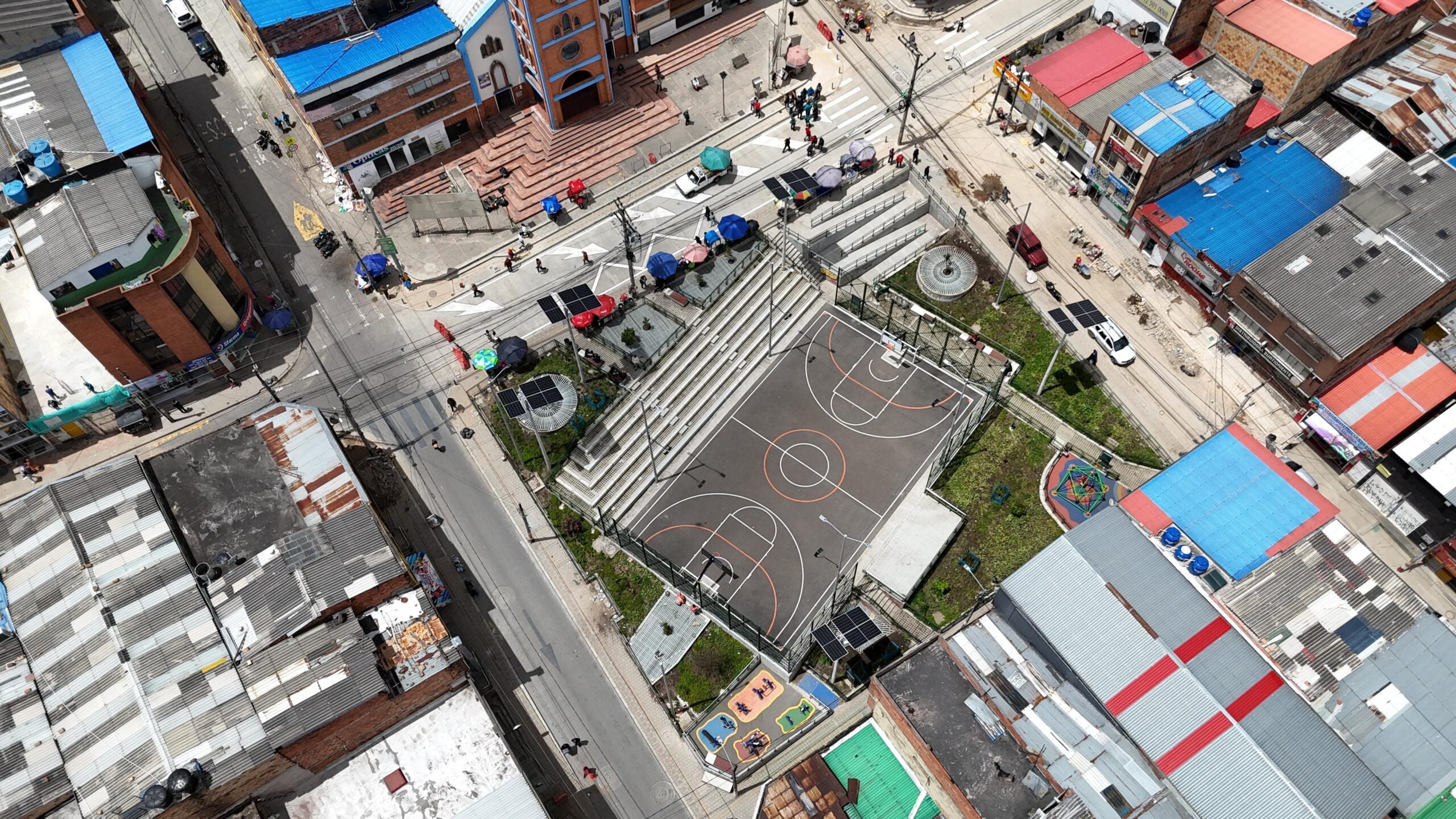
One of the city’s flagship initiatives is the Energy Communities program. Through solar energy generation installed in public infrastructure in the city’s Tunal and San Cristóbal neighborhoods, approximately 2,000 low-income households will receive reductions of up to 65% in their electricity bills through renewable energy injected into the public grid.
In rural areas, Bogotá launched new potable water treatment plants benefiting 435 families and expects to expand access to more than 1,400 additional households by 2026. The city also strengthened 17 rural community aqueducts with monitoring systems and operational technology.
In sanitation, Bogotá is leading one of the most ambitious environmental infrastructure projects in Latin America. The Canoas Wastewater Treatment Plant (PTAR Canoas), with an investment of 8.9 trillion Colombian pesos (approximately $2.5 trillion), will eventually treat 70% of Bogotá’s wastewater and 100% of wastewater from the neighboring municipality of Soacha.
Urban Revitalization and Sustainable Growth
Bogotá’s urban strategy also seeks to reduce climate vulnerability linked to uncontrolled urban expansion. Through the “Revitalize Your Neighborhood” strategy, the city identified nearly 44 hectares for approximately 25,000 new housing units in central urban areas connected to bus rapid transit (BRT) lines, metro systems and cable cars.
City officials argue that compact urban development reduces transportation emissions, limits pressure on peripheral ecosystems and strengthens urban efficiency by concentrating growth within already-urbanized areas rather than expanding into ecologically sensitive land.
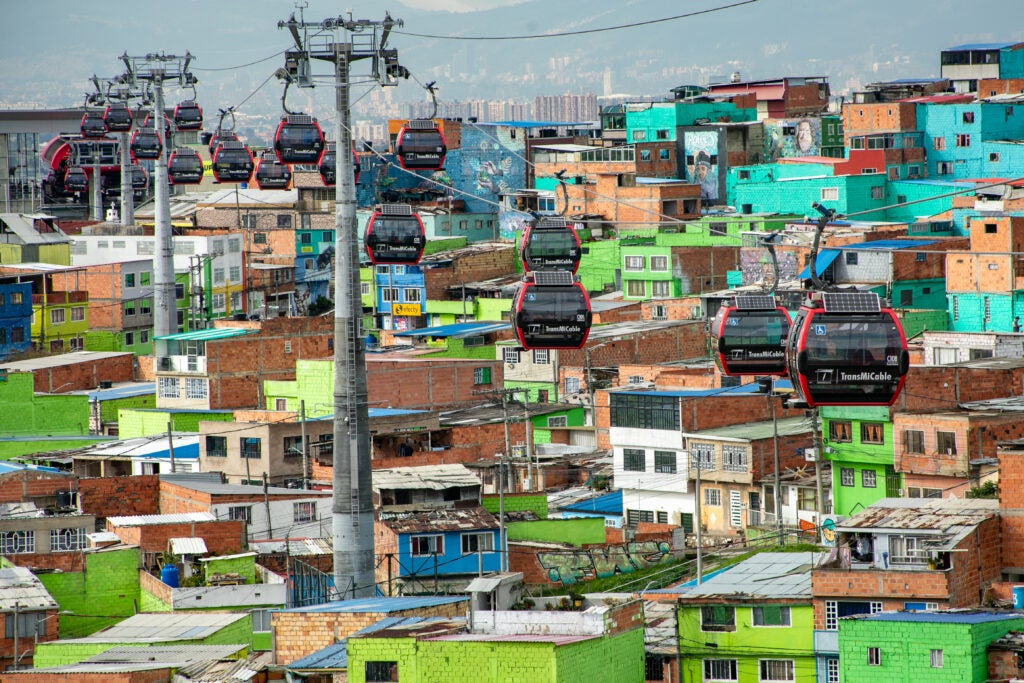
Through the Urban Renewal for Sustainable Mobility Project (PRUMS), the city promotes new housing near mass transit corridors. Combined with the fully-electric Bogotá Metro and more than 600 kilometers of bike lanes — the most extensive cycling network in Latin America — these initiatives allow families to be better connected and move through the city sustainably.
A Global Reference for Climate-Resilient Cities
Bogotá’s model offers a replicable framework for cities across the Global South, where informality remains the defining urban challenge. In Bogotá, approximately 30% of urban land has informal origins. In Latin America, one in four residents live in an informal settlement.
The city’s response was to put people at the center: enabling residents of informal settlements to access neighborhoods with better services and greater connectivity, without displacing them to the periphery. Today, Bogotá operates under the principles of incremental urbanism: not isolated flagship projects, but multiple coordinated interventions that reshape cities.
Financing this transformation requires the convergence of public resources, private investment and multilateral development bank funding. In the last two years, the number of private construction partners in the city grew from 16 to more than 135 companies, including small housing developers, demonstrating that public-private collaboration at this scale is both viable and replicable across the Global South.
The Mi Casa en Bogotá strategy offers an integrated housing pathway that links savings, subsidies and credit. Families with monthly incomes of up to $763 can begin in social rental housing, build financial capacity and eventually qualify for a mortgage. The model addresses multiple housing needs simultaneously, including new housing, home improvements and subsidized rentals paired with financial education.
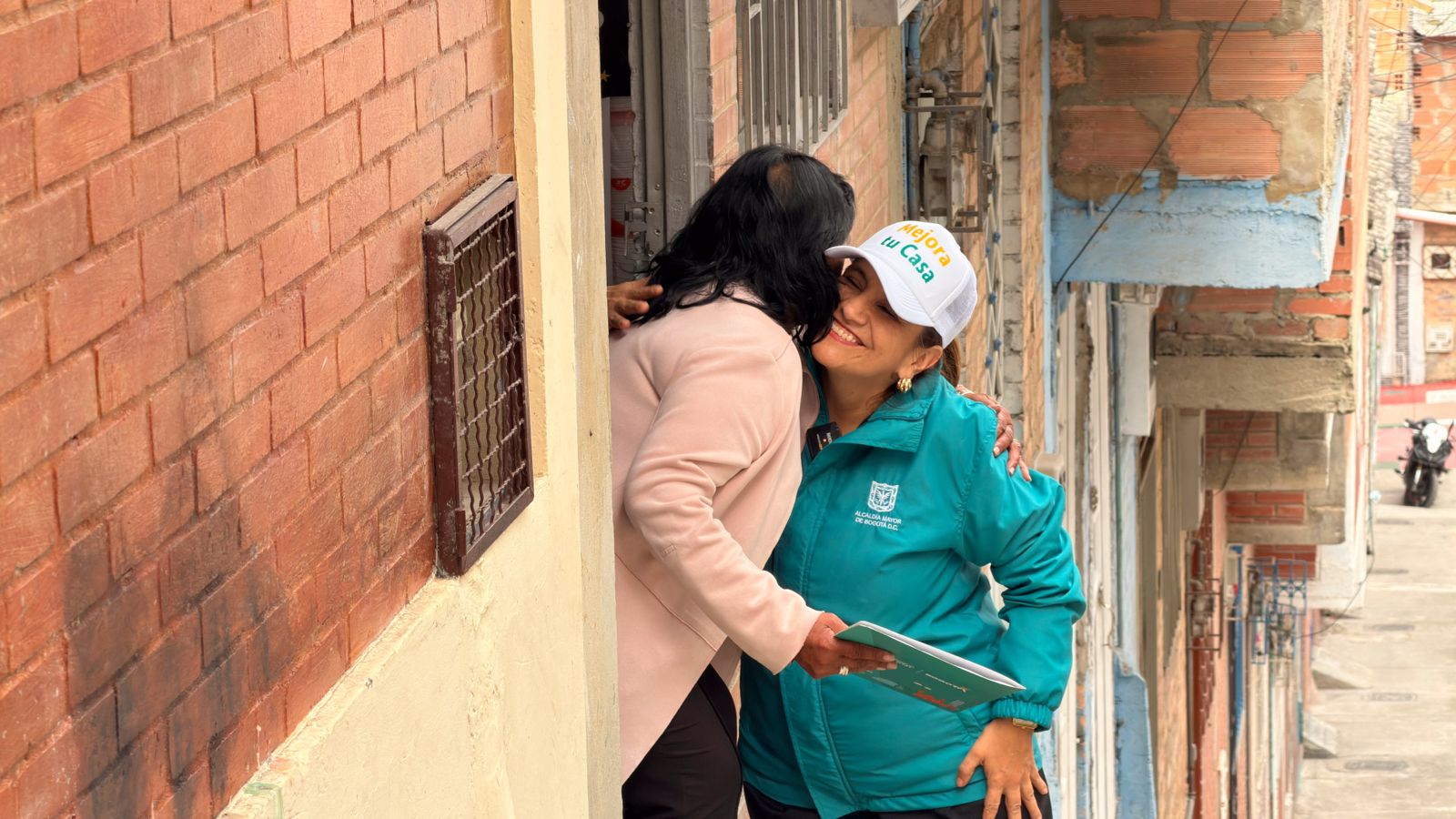
Bogotá is advocating for a broader international message: climate adaptation cannot be separated from social equity. Investments in housing, water, sanitation, mobility and energy must also become investments in dignity, resilience and long-term sustainability.
The city’s experience suggests that climate resilience is not only about protecting cities from future shocks. It is also about expanding access to housing, services and opportunity today. By linking housing, mobility, water, sanitation and clean energy within a single urban strategy, Bogotá is advancing a broader vision for climate adaptation — one rooted in equity, inclusion and long-term sustainability.
Vanessa Velasco Bernal is Chief Secretary of Bogotá’s District Secretariat for Habitat (SDHT).