


On a fair-weather day, one can often gauge the livability of a dense city neighborhood by a simple test: are children active outside? The new Guide to creating urban public SPACES for children takes that test seriously by turning it into a practical, rights-based toolkit for policymakers, planners and city actors who want to make child-friendly urban spaces a reality in every community.
Co-created by the World Health Organization (WHO), the United Nations Children’s Fund (UNICEF) and UN-Habitat, the guide offers six principles that double as a design checklist, audit tool and policy framework for actors looking to create or improve child-friendly public spaces:
- Safety and protection
- Play, recreation and developmental needs
- Access where need is greatest
- Child health and well‑being
- Equity and inclusion
- Sustainability and resilience
Each principle includes a rationale and broad recommendations that can be adapted to local standards. Safety, for example, links urban design with risk of injury, violence and harassment that currently keep many children – especially girls – away from public spaces. While the play principle responds to the steady erosion of time and space for spontaneous, outdoor play, highlighting measures like low‑speed zones around schools and protecting and promoting everyday spaces that children claim through play.
Crucially, the principles are always tied back to health and equity. A shaded footpath or a reclaimed corner park is not only a “nice” amenity; it is part of how a city tackles mental health, obesity, air pollution and heat stress among children, especially those in informal or underserved settlements.
Going Beyond the Playground
One of the guide’s strongest contributions is reframing where children’s public lives unfold. Instead of treating the playground as the sole space for children, it asks planners to look across scales, categories and contexts within cities.
Only 44% of urban residents live near public open spaces — dropping to 30% in low-income countries. Despite severe environmental challenges, children’s urge to be active outdoors, especially when living in overcrowded and cramped homes, compels them to use unsafe spaces riddled with waste, traffic and hazards. The guide urges cities to prioritize investment in informal settlements and underserved communities where children are acutely deprived of public spaces.
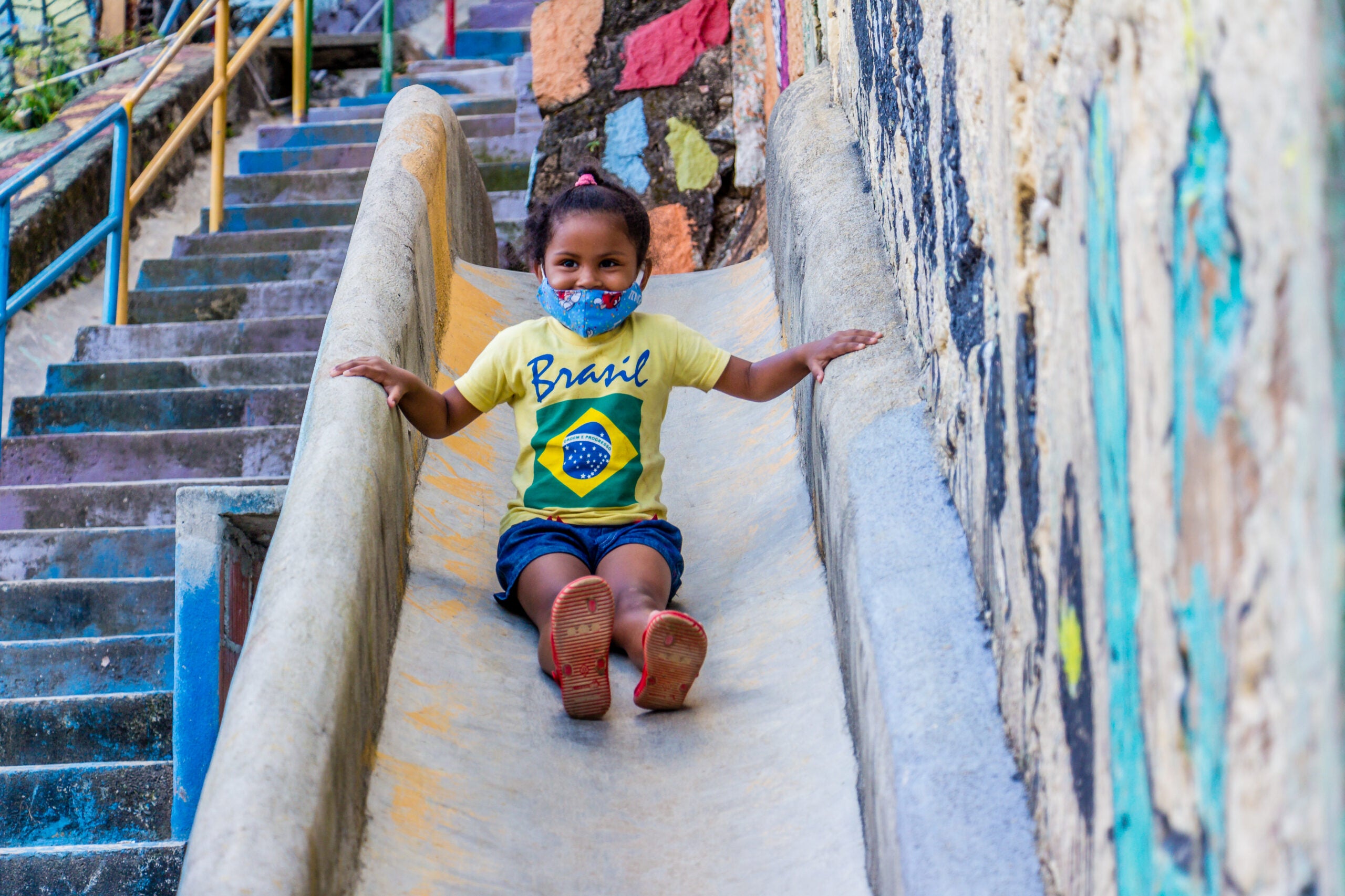
Streets emerge as the largest, most accessible public spaces for children across all scales of an urban settlement. They determine whether a child can safely walk to school, visit a friend or reach a play space. By foregrounding streets, the guide invites transport and road agencies to see themselves as more than just traffic managers but as co-custodians of children’s rights to play and health.
Insights From Cities Already Investing in Diverse Public Spaces for Children
The guide’s value comes alive in the way it stitches together urban case studies from different contexts, showing how the same principles can be interpreted in Barcelona or Mexico City, Istanbul or Mumbai, Maputo or Cairo.
School streets as everyday infrastructure for health and play
School streets projects in three cities — Barcelona, Spain; Istanbul, Turkey; and Mumbai, India — share a common starting point: the recognition that the journey to school is one of the most important parts of everyday city life for children, yet often one of the most hostile.
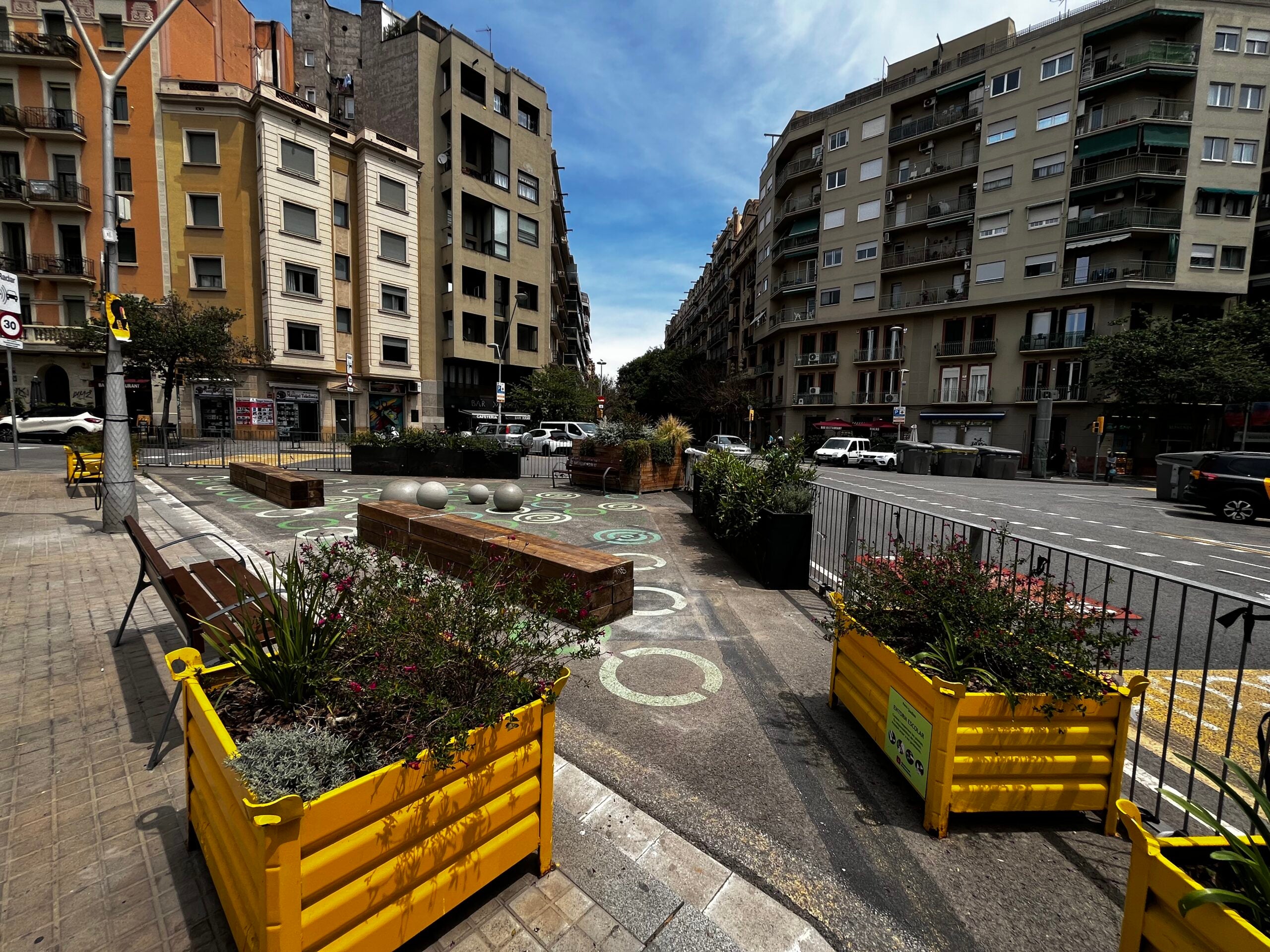
In Spain, Barcelona treats the streets around schools as vital community spaces. Periodic or permanent motorized traffic restrictions implemented at the start and end of school days convert anxious bottlenecks into low-speed or car-free forecourts, where colorful ground markings, benches, trees and simple play elements invite children and their caregivers to linger. Here, the school street is explicitly framed as health- and rights-fulfilling infrastructure within a broader municipal “Plan for Play” for public spaces.
In Turkey, Istanbul ’s Zümrütevler neighborhood used the Urban95 initiative to address a major safety challenge. A wide, chaotic intersection near three schools and disadvantaged housing areas left children threading through fast-moving traffic with almost no public spaces of their own. Through targeted intervention, the pilot project reclaimed surplus roadway and reorganized traffic flows, allowing planners to create a new square with safer crossings and spacious pedestrian zones. Measured increases in children walking independently and using the designated safe routes underline that this is both a mobility project and a new community gathering place for the neighborhood.
In India, Mumbai’s Christ Church School project occupies a middle ground between Barcelona’s programmatic rollout and Zümrütevler’s one-off reconstruction. On a single 200‑meter stretch, children, caregivers, WRI India and the municipal corporation of Mumbai co‑designed a tactical retrofit: painted crossings, curb extensions, widened sidewalks and simple street furniture that quickly signaled a new priority for pedestrians over through‑traffic. Follow‑up surveys showed improved driver behavior and greater perceived safety, building the case for permanent works and for scaling safer school zones across the city and state.
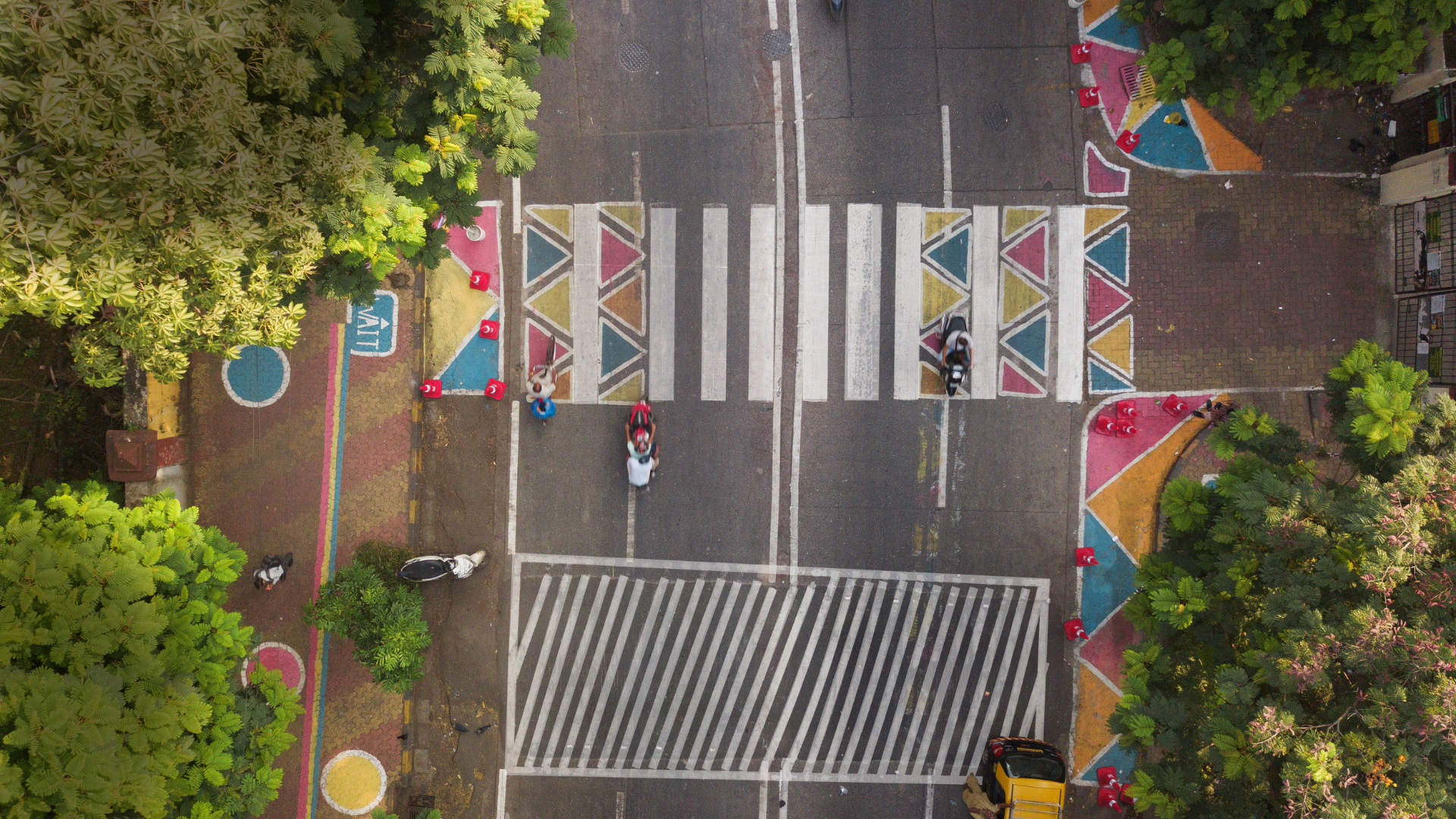
Together, these cases demonstrate how the guide’s principles can travel: each city uses different tools — timed street closures, geometric redesign, tactical urbanism — but all reclaim space from vehicles, embed play and sociability into school journeys, and use evidence from pilots to shift policy and practice.
Child-friendly public facilities in humanitarian settings
In humanitarian settings, the guide treats public spaces for children not as afterthoughts to relief operations but as core infrastructure for protection, healing and daily life. It highlights how even service-focused facilities such as health centers can be designed in unstable border zones as spaces that support children’s play, emotional recovery and social cohesion.
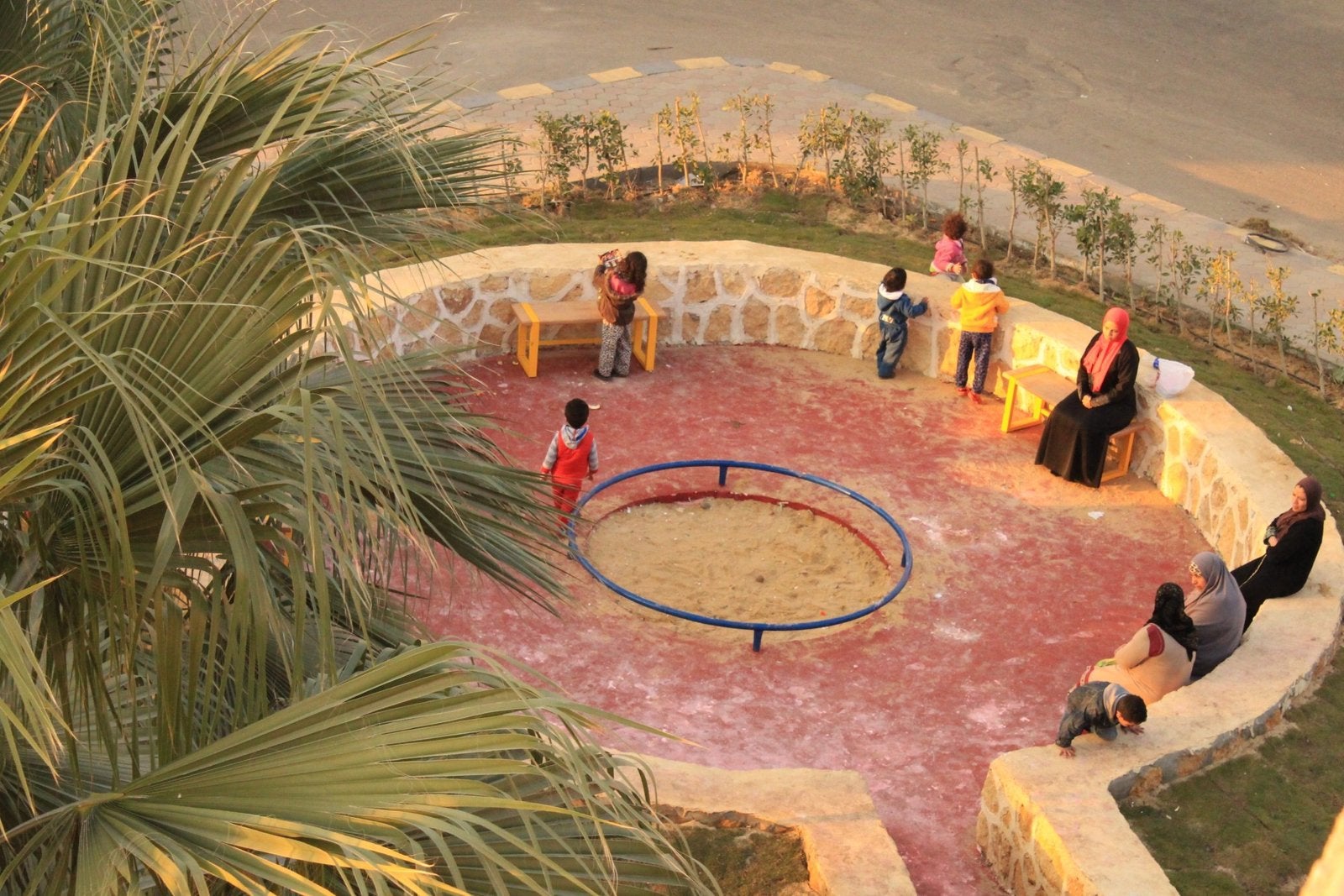
In Egypt, the Y’ahl El-Hay project demonstrates this at the neighborhood scale. As Syrian refugees arrived in Egyptian cities, upgrades to urban health centers went beyond clinical repairs: Interiors and facades were brightened and made safer; semi-open areas adjacent to kindergartens were furnished with seating and play equipment; and vacant plots beside clinics were turned into small play and gathering areas. These became shared public spaces where host and refugee children could play, and caregivers could rest, reducing stress in crowded facilities and softening tensions between communities.
Located on the Lebanon–Syria border, the Arsal inclusive park utilizes this idea in a more precarious context. In a town where the refugee population outnumbers the host population, the idea of child-friendly spaces within humanitarian programming was reinterpreted as an innovative playground co-designed with children and caregivers that used simple, adaptable structures and robust, low-cost materials. It offers protected indoor and outdoor zones for play, early learning, counseling and community activities, all within walking distance of dense informal tented settlements.
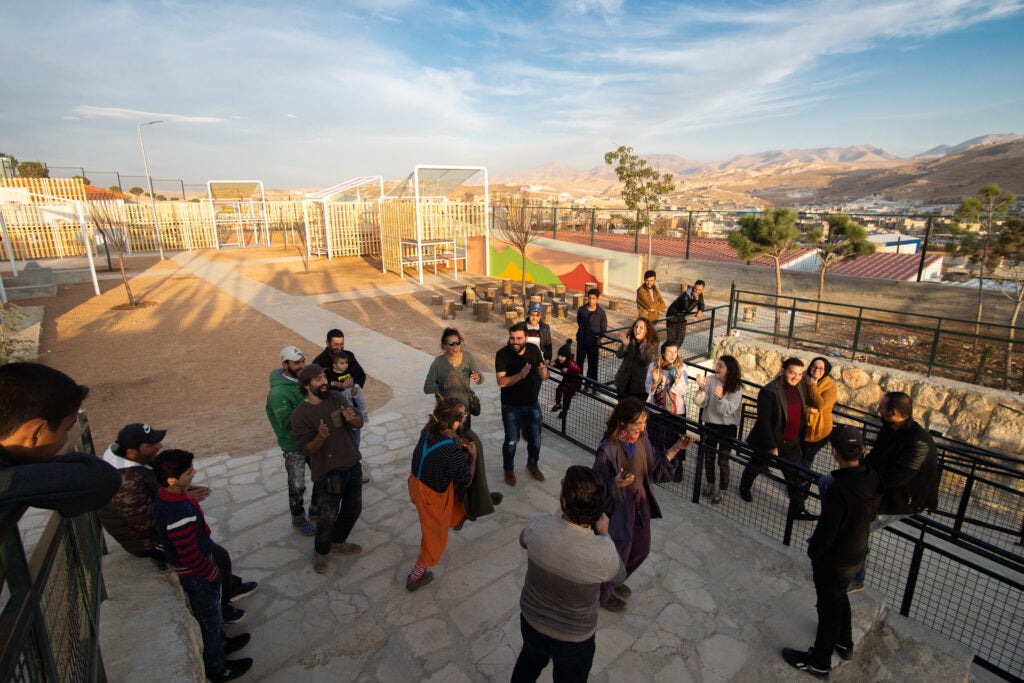
The Egypt and Lebanon cases illustrate three key messages for humanitarian crises:
- Health and social service facilities are strategic anchors for child‑friendly public spaces.
- Small design moves can restore ordinary routines like playing, waiting and meeting neighbors.
- Partnerships between agencies, municipalities, designers and communities can embed child‑centered design into the fabric of emergency and recovery responses.
Legitimizing liminal spaces to protect and preserve children’s existing spaces
In many low-income areas, the spaces most important to children are not formal parks but stairwells, alleys, drainage edges, and paths to water points and even common toilets. The guide names these as liminal spaces — “forgotten, neglected or misused” gaps that children have claimed as their own — and urges cities to recognize and upgrade them.
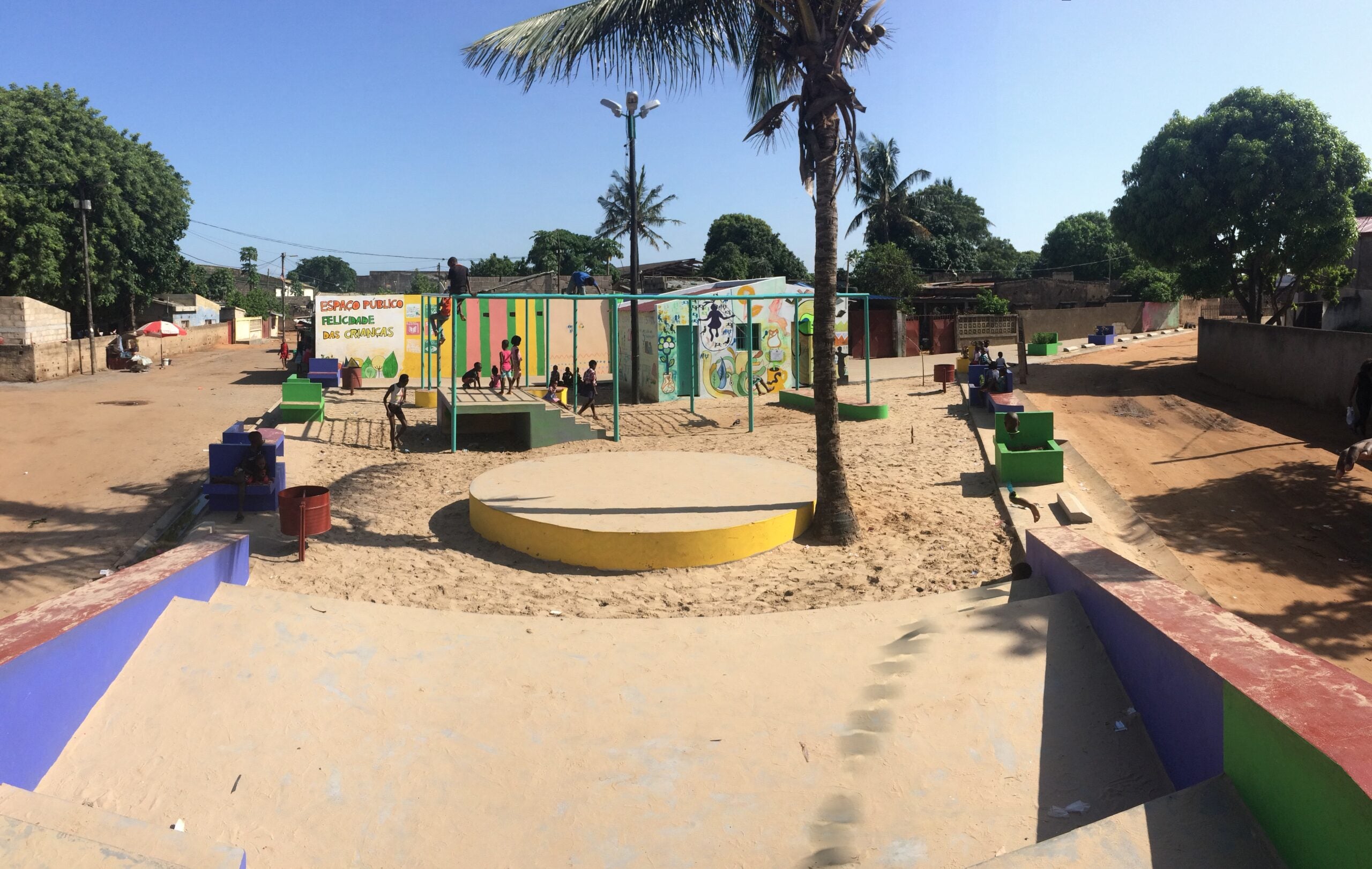
In Maputo, Mozambique, exploratory walks with children revealed that their main public realm was a dusty web of paths and informal roads. Rather than importing a new park, a pilot project reclaimed the leftover triangle where three unpaved roads met, turning it into a small, safe public space with seating and play elements. Children’s requests for better lighting, cleaner drains and places to sit guided the design.
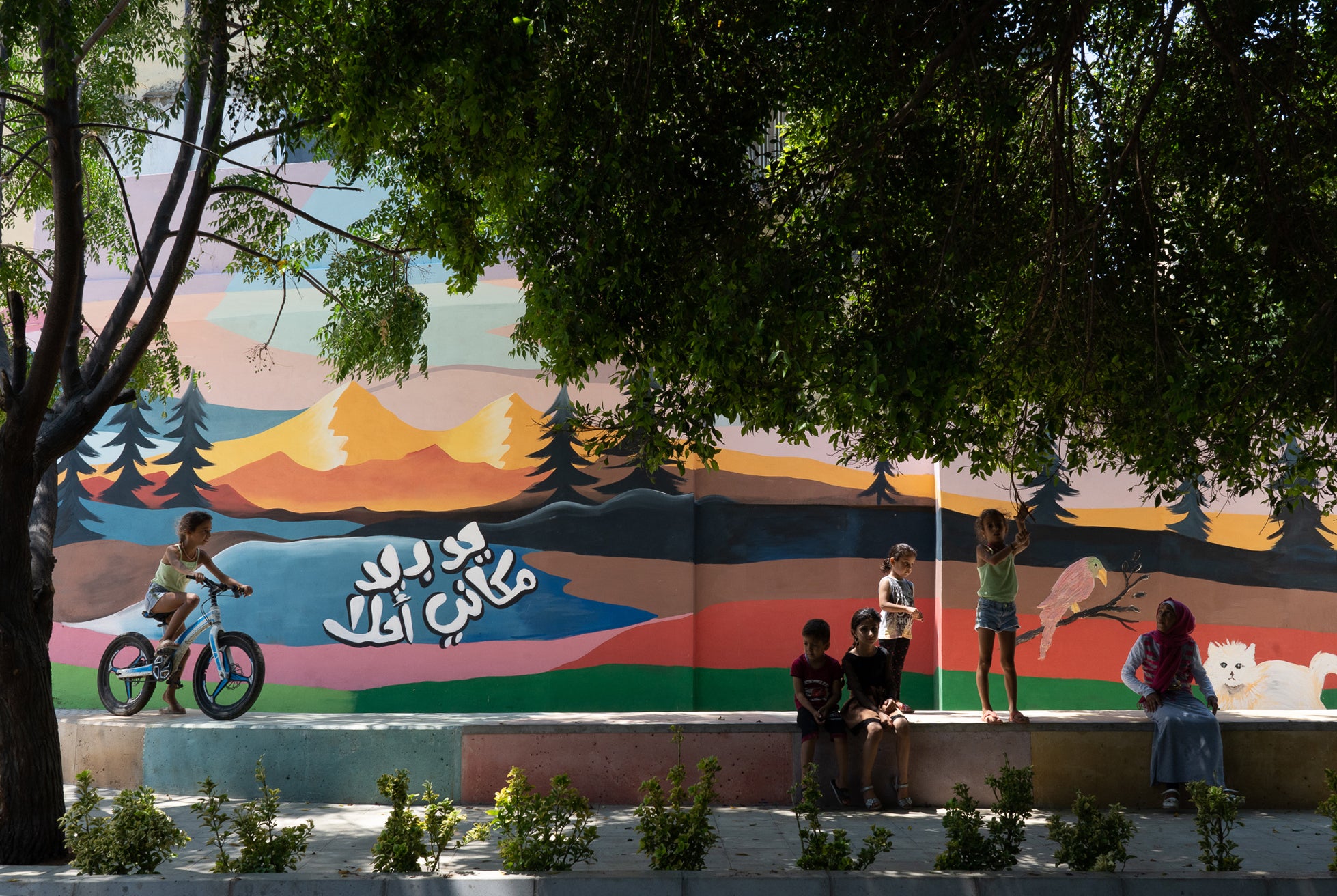
In Beirut’s Karantina neighborhood, Catalytic Action and the community worked together to reinvigorate a derelict sidewalk. Registered as a municipal right‑of‑way (a strip of land owned and controlled by the city), children and neighbors selected the site because it was on their daily routes. Through participatory design, it became Makani (in English,“My Place”), a shaded, colorful strip with play elements and seating that anchors social life in a marginalized neighborhood.
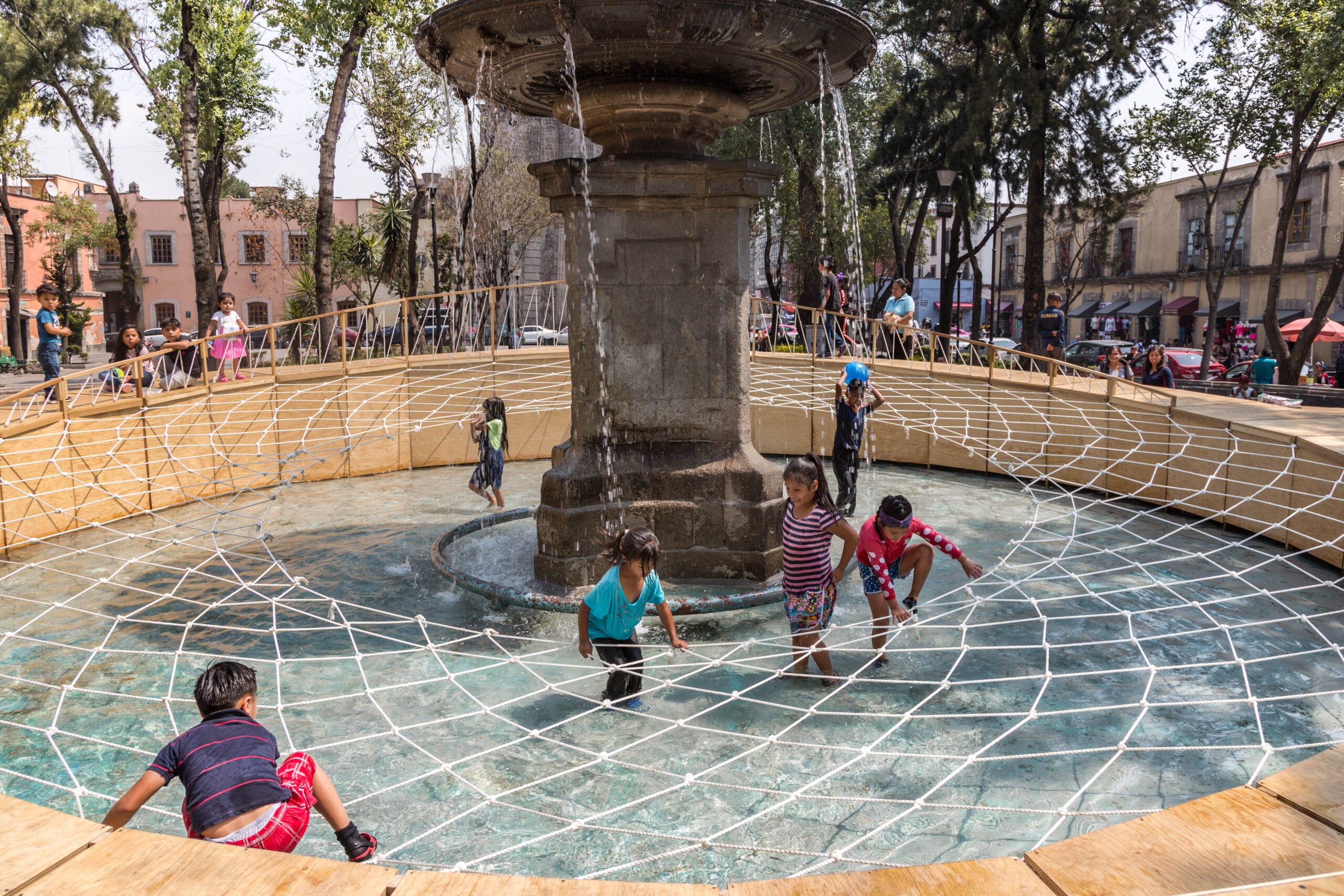
Mexico City’s Playful City initiative pushes this logic further by animating small, vacant pockets and underused plazas with temporary “urban toys” — modular, movable play structures that invite climbing, balancing and imaginative games. These low-cost installations test how children occupy corners and edges of the city and often catalyze more permanent transformations.
Together, these examples suggest a simple yet powerful lesson: when planners begin by understanding children’s existing uses of liminal spaces, even the most marginal fragments of the city can be reworked into safe, cherished play spaces.
A Practical Toolkit for Cities That Want to Create Child-Friendly Spaces
The Guide to creating urban public SPACES for children functions as a toolkit that cities can use within their existing systems, while also nudging those systems to evolve. It starts by giving planners a clear typology of scales, categories and contexts, so they can map and analyze where children’s public lives occur — from streets and schoolyards to liminal spaces in informal settlements. The six SPACES principles then operate as a ready-made design and policy brief that can be dropped into plans, design codes or project’s terms of reference, ensuring that safety, play, equity and health are not afterthoughts.
The guide recognizes two complementary pathways: government‑promoted reforms (plans, budgets and regulations) and partnership‑based initiatives led by communities, civil society organizations and private actors. This makes it useful both for mayors reshaping citywide policy and for neighborhood teams piloting tactical projects. Above all, it offers a new way of thinking: designing for children’s rights to play, health and participation is ultimately about designing cities that are more livable and resilient for everyone.
The research and writing underpinning the Guide to creating urban public SPACES for children was led by Sudeshna Chatterjee, in collaboration with a core research team comprised of Anupama Nallari and Chandrani Dutta. The guide was jointly developed and published by the WHO, UNICEF and UN-Habitat — whose collective commitment to children’s rights and urban equity made this publication possible.
Sudeshna Chatterjee is Program Director of Research, Knowledge and Engagement for WRI India’s Sustainable Cities and Transport program.
Thomas George is an International Consultant and former Global Urban Lead for UNICEF.