


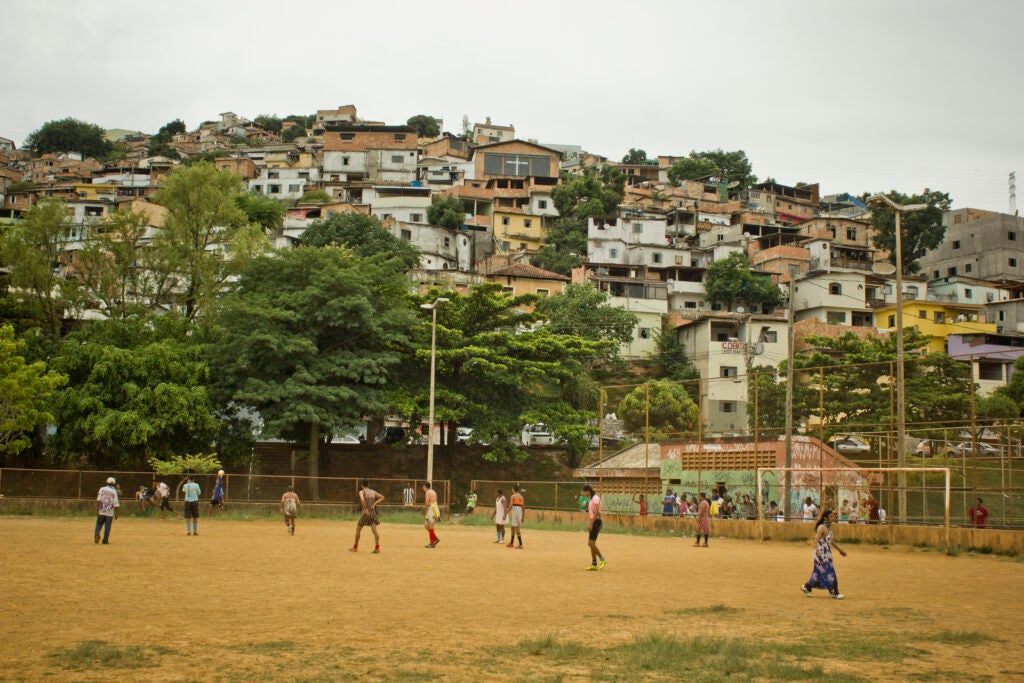
When the weather heats up in Belo Horizonte, residents of Morro do Papagaio get creative.
“A lot of people put their blankets in the refrigerator,” said Amanda Lima, a 24-year-old university student, activist and resident of the south-central region of Belo Horizonte. “Those who can stay at home try to remain as still as possible, cooling off and drinking water all the time. But most people need to work, to hustle.”
The temperature in the city — the sixth largest in Brazil — has risen by 3 degrees C (5.5 degrees F) this century, according to recent comments made by the National Institute of Meteorology (INMET). If this figure is alarming for the city’s general population, it is even more so for those living in informal settlements like Morro do Papagaio.
“When it’s hot there, it almost always feels extreme,” said Lima. “There’s no tree cover, the houses are very close to one another, there’s no ventilation. People don’t have access to air conditioning to make the environment more comfortable.” Without mitigating measures in place, residents of informal communities like Morro do Papagaio are more at risk for health risks like dehydration, heat stroke, cardiovascular strain and mental illness, according to the World Health Organization.
Heat is a growing threat worldwide, but its impact on people and infrastructure varies across cities. The built environment, like buildings and roads, and natural infrastructure, like trees and bodies of water, can either exacerbate or mitigate local heat and its effects on health. Understanding how this variation occurs across territories — and how different groups are affected — is vital to creating more effective public policies to address extreme urban heat.
To answer these questions, WRI and the Salud Urbana en América Latina (SALURBAL) Project at Drexel University’s Dornsife School of Public Health are conducting research and community engagement in Belo Horizonte and Campinas — two cities that are increasingly coping with extreme heat and committed to working to mitigate it. The collaborative project, Heat and Health in Brazilian Cities, investigates how urban heat interacts with both the physical and socioeconomic characteristics of a city to impact residents’ health and well-being.
Since 2024, experts from WRI Ross Center, WRI Brasil and SALURBAL have been hosting regular engagements and workshops via the Heat and Health in Brazilian Cities project to deepen their understanding of each city’s heat-related challenges. The team is collaborating with health, environment and emergency response departments, as well as professionals who work directly with the population — such as public health agents and municipal schoolteachers — in both cities. The goal is to support the development of more integrated and effective policies at the intersection of climate, environment, infrastructure and health, ensuring they work across neighborhoods with different levels of exposure to heat and vulnerability to its health effects.
How Building Density Affects Urban Heat
In both Belo Horizonte and Campinas, periods of extreme urban heat do not affect all neighborhoods or residents equally. Lower-income residents, who often live in more dense areas that lack vital resources like green spaces and adequate ventilation, can experience heat more acutely.
Favelas like Morro do Papagaio in Belo Horizonte are especially vulnerable during periods of extreme heat. This community, whose name translates to “Parrot Mountain,” is densely built into a hillside. Within the favela, residents live in close proximity to one another in homes that often lack air conditioning or ventilation. Outside, narrow streets, that lack trees, trap heat within the community. The tight development of the favelas complicates heat-mitigation solutions that may be effective in other communities, like increasing tree cover, which can reduce local temperatures by several degrees. A WRI Brasil study showed that in Belo Horizonte, low-income populations have five times less access to green areas.
Lima, the university student who lives in Morro do Papagaio, expressed enthusiasm for seeing more trees and green spaces in her community, but also acknowledged the difficulties of integrating this infrastructure into the favelas. “City Hall has a great initiative that allows residents to request tree planting,” she said. “But in favelas this is more difficult, because the houses are very close together.”
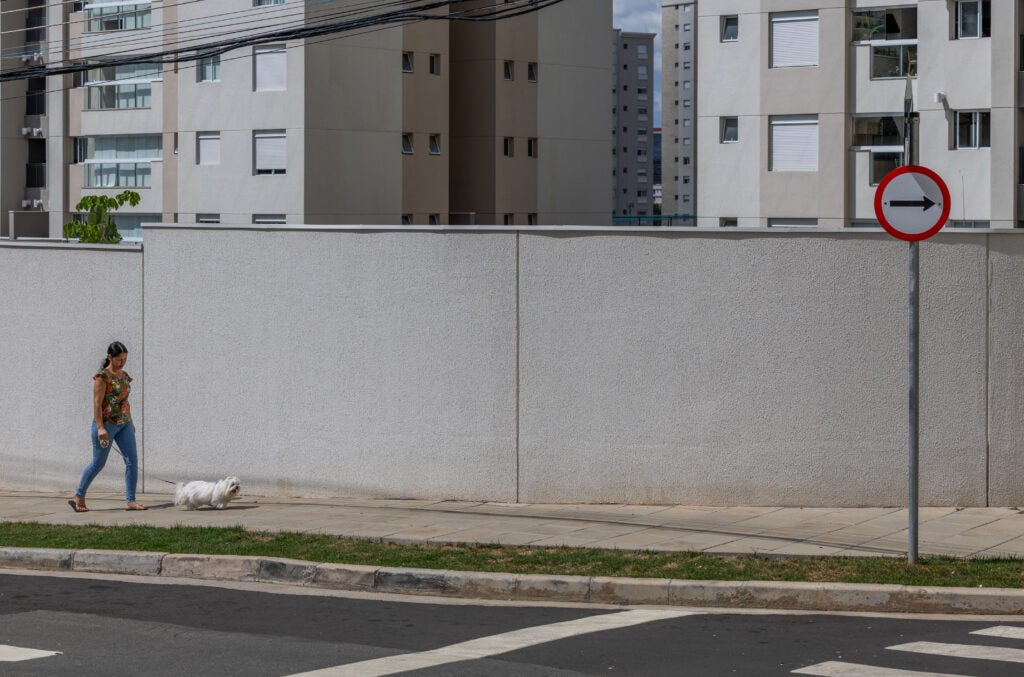
Though more formally developed than Morro do Papagaio, the community of Jardim Bassoli in Campinas faces similar challenges with extreme heat. The uniform, tall condominiums that make up the neighborhood, said Eduardo Feliz Sobrinho Trevisolli, a community health agent in the residential neighborhood of Jardim Bassoli, “have the characteristics of a verticalized favela, and share similar challenges such as a loss of green areas and common spaces.” Located far from the center of Campinas, the community struggles with insufficient ventilation and a lack of ongoing maintenance to support residents in times of extreme weather.
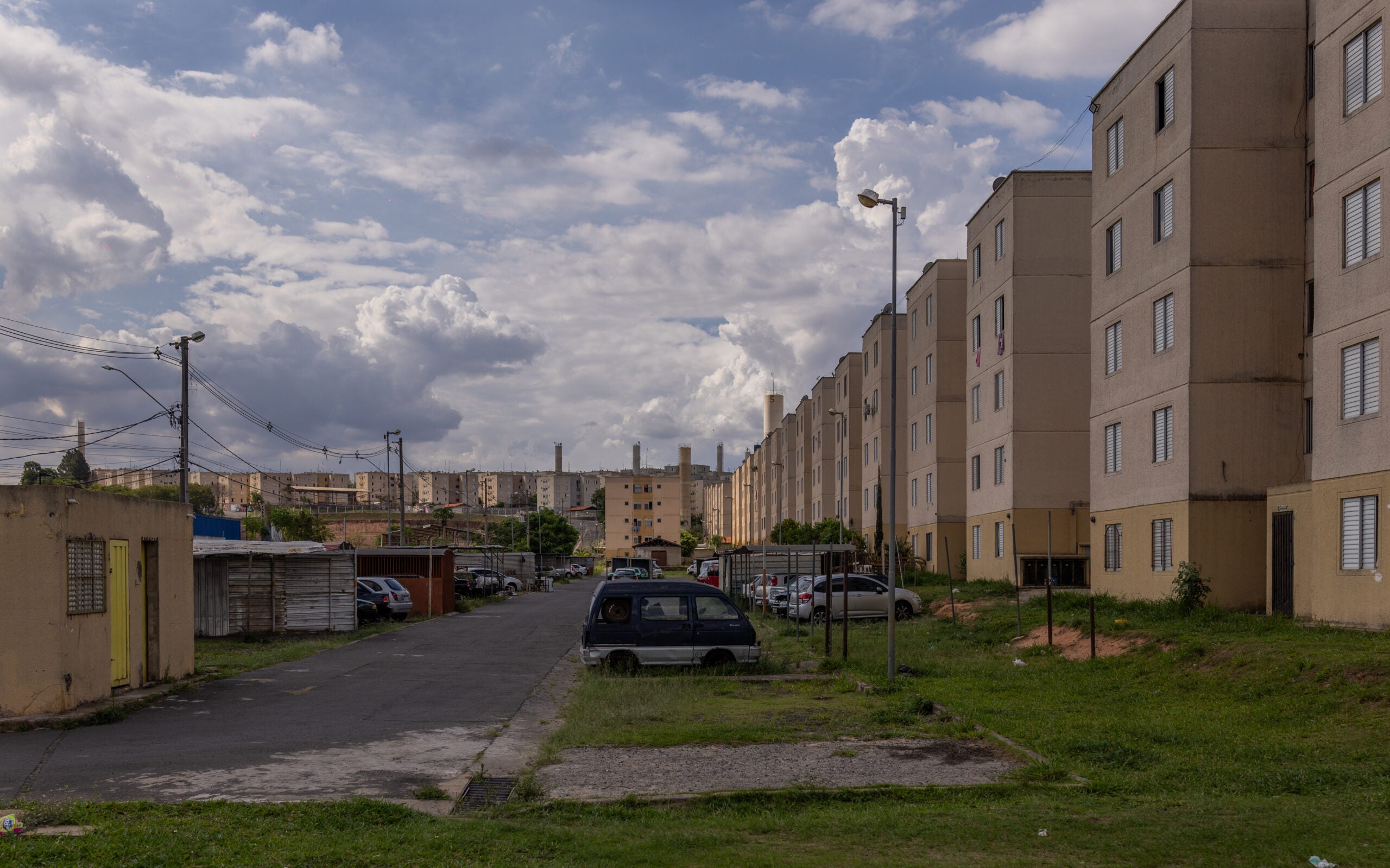
In Campinas’ city center, taller buildings combine with tree cover and generous pedestrian space to offer respite from the heat. But in peripheral areas like Bassoli, Trevisolli explained, the lack of adequate sidewalks and tree cover makes navigating the community during a heat wave difficult, particularly for vulnerable people like older residents, people with reduced mobility and children.
As cities across Brazil — and worldwide — increasingly cope with extended periods of extreme heat, understanding which residents and communities are most vulnerable, and why, is vital. Through working directly with communities like Morro do Papagaio and Jardim Bassoli, WRI and SALURBAL’s Health and Health in Brazilian Cities project aims to develop a robust understanding of how heat issues vary by community across cities — and which physical and socioeconomic structures have the greatest influence on disparities — to encourage creation of community-specific solutions that complement developing city-wide and national priorities around extreme urban heat.
How Urban Heat Impacts Public Health and Healthcare
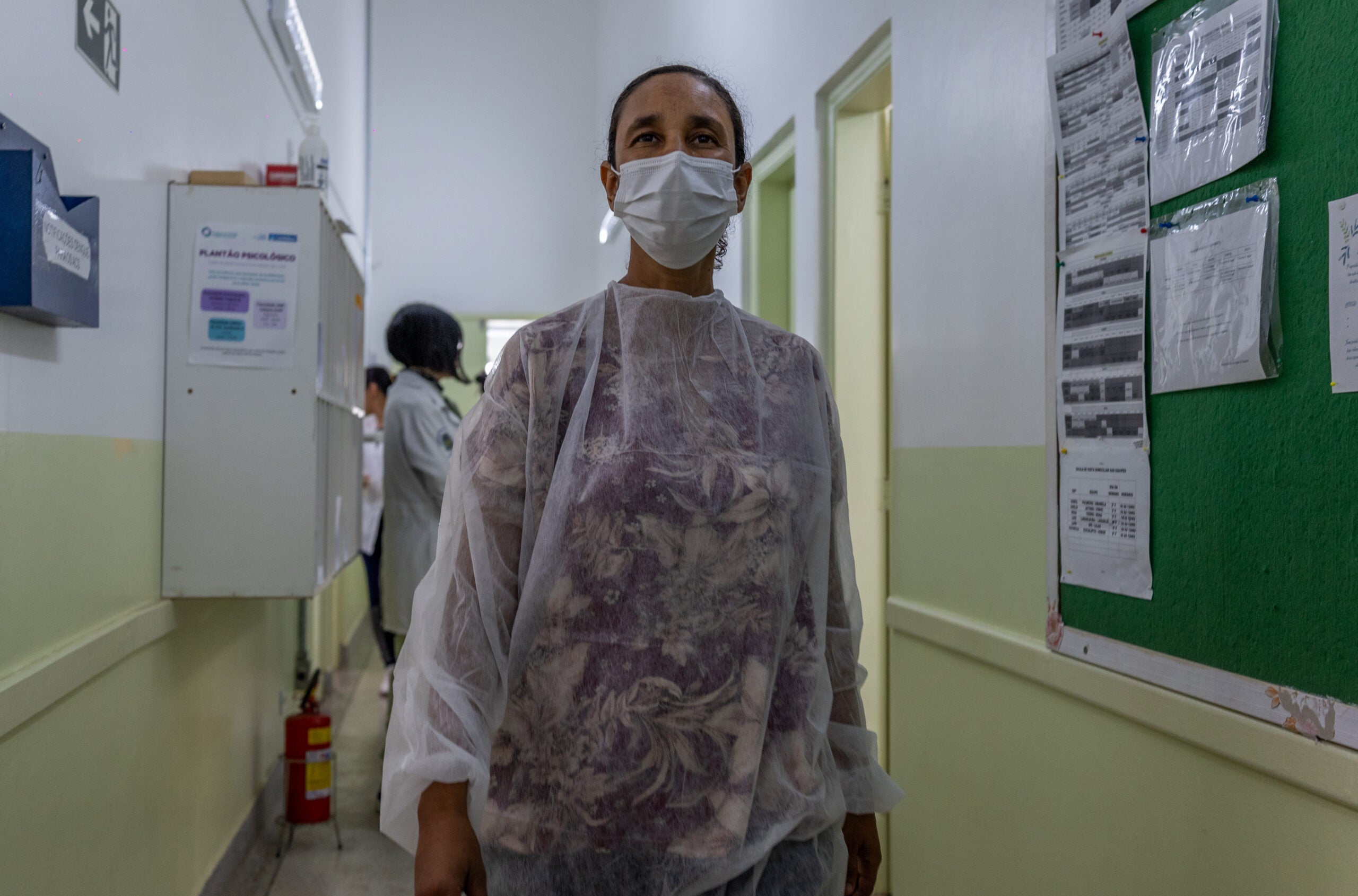
Health and well-being are at the center of growing challenges with extreme urban heat. In both Belo Horizonte and Campinas, health workers have witnessed the mounting issues — and the strain on their ability to provide responsive care — firsthand. Engaging health workers and understanding their needs and insights is a core feature of the Heat and Health in Brazilian Cities project, as it seeks to develop community-specific guidelines around extreme heat mitigation measures.
On a hot October afternoon in 2025, the project team gathered over 70 health professionals from Belo Horizonte to share their perceptions on the impact of extreme urban heat on both residents and frontline workers.
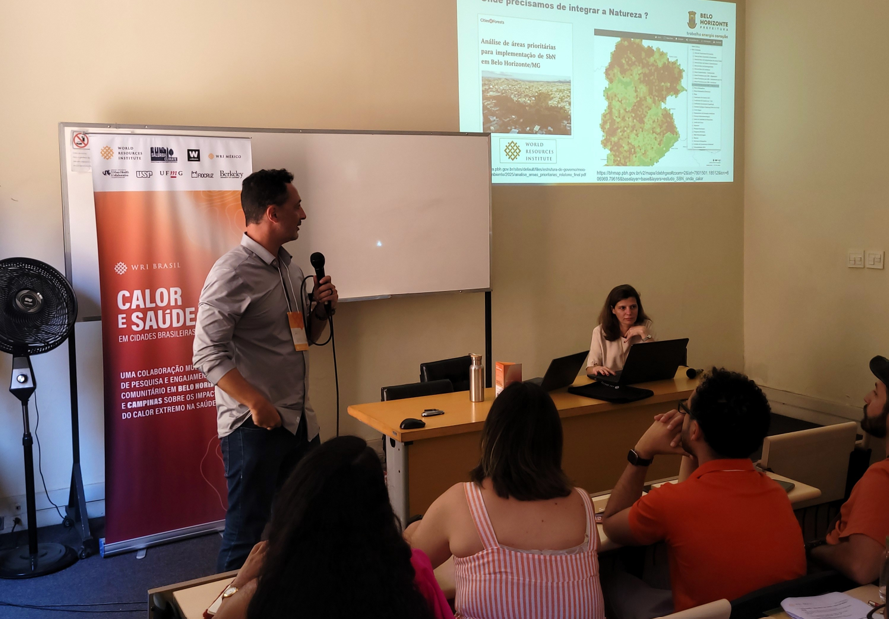
“The most affected are the elderly and children, mainly because they do not consume enough liquids,” said Penha Rosária Costa Paula, a professional at a health center in Belo Horizonte. Lack of access to potable water often leads people to seek medical care — either due to dehydration or drinking unsafe water.
“Some comorbidities, such as hypertension, also worsen,” said Milvânia Magalhães dos Santos, Paula’s colleague.
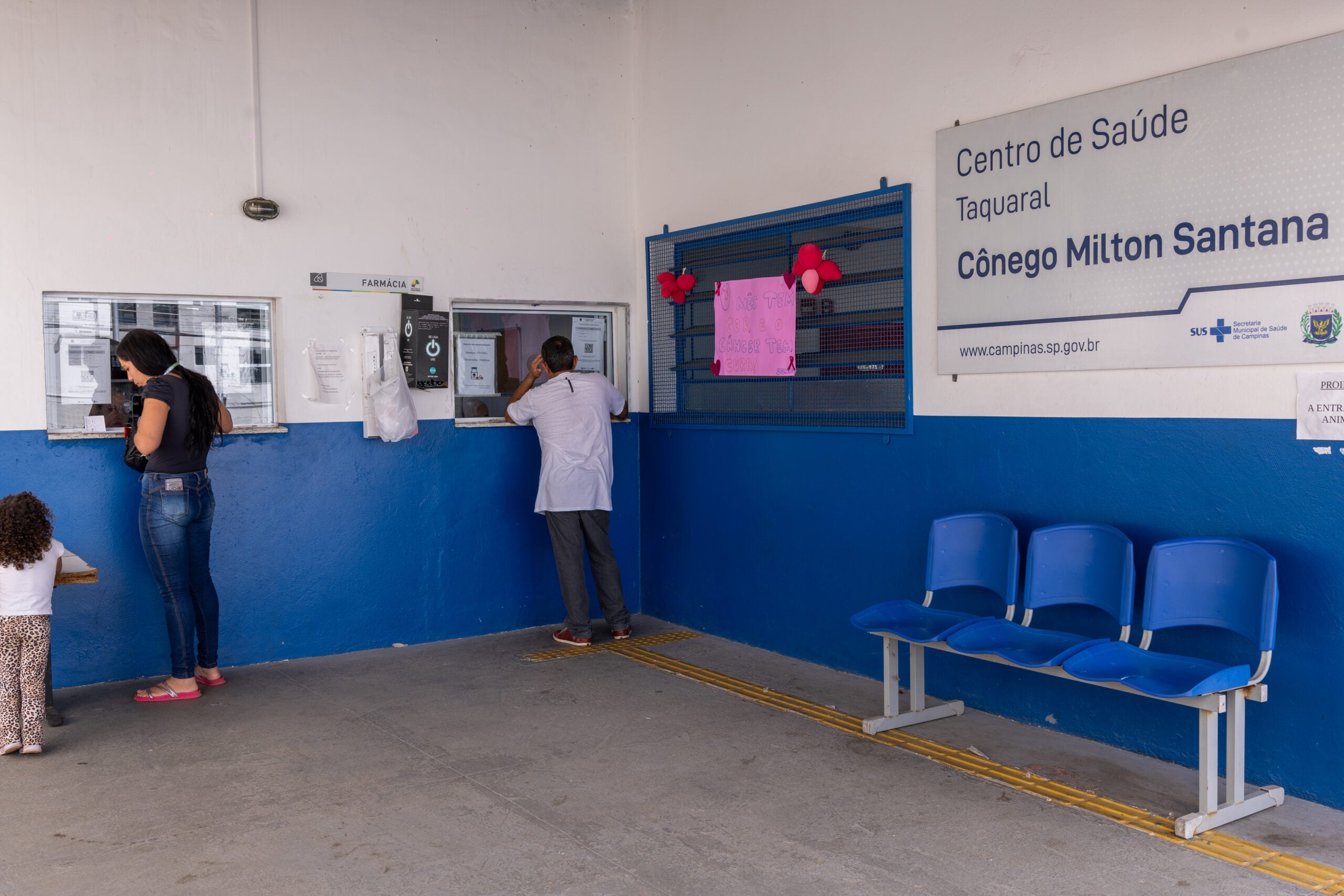
Community health agents like Paula and Santos work within underserved communities like Morro do Papagaio and see up-close how heat exacerbates other health issues within the community. Trevisolli echoed their concerns in Campinas: “During periods of intense heat, there is an increase in demand for care at primary health units, both for respiratory and cardiovascular problems,” he said, speaking to his experience caring for residents of Jardim Bassoli.
The project’s engagements with health officials in Belo Horizonte and Campinas have highlighted the need for more support around managing heat-related health issues. This could include actions to support vulnerable groups, such as the elderly, children and people living with comorbidities, and residents of neighborhoods with precarious infrastructure and minimal access to basic services. But they have also surfaced the need for stronger policies to keep healthcare workers and community health agents, themselves, safe. As workers in vulnerable communities often travel from door to door, checking on residents’ health, they risk exposing themselves to the harms of extreme heat. “Experiencing this climate moment is like a war — having to work in temperatures of 38°C,” said Santos.
The Brazilian government has issued guidebooks with prevention, care and surveillance guidelines regarding the impacts of climate on health. Facilitation of these guidelines by local health workers and community health agents is important so that national guidelines reach communities more quickly, especially those more vulnerable to risks.
From Global to Local
The work to understand community-level disparities in heat and health in Belo Horizonte and Campinas is unfolding against a backdrop of growing global recognition of the need for urgent action on extreme heat. During COP30, hosted in November 2025 in Belém, Brazil, heat took center stage. Leaders united to launch the Belém Health Action Plan, a comprehensive effort to mobilize more resources for health systems so they can better prevent and respond to climate-related challenges. Simultaneously, hundreds of cities joined the Beat the Heat initiative, which supports cities to advance nature-based and passive cooling solutions through access to capacity-building, tools and financing.
At that same COP30, residents of Belo Horizonte’s vulnerable communities delivered a manifesto calling for increased recognition of the challenges facing favela residents to the presidency of the conference. Inspired by Lima’s previous advocacy work to craft a Climate Bill of Rights for Morro do Papagaio, this document issued an expanded and unified call for greater investment, more green spaces, and just and meaningful community participation in decisions that shape local futures across the city’s underserved communities. Amid the high-level commitments unfolding at COP30, Lima and her fellow informal settlement residents issued an important reminder: Policies that aim to effectively mitigate extreme urban heat must account for the different needs of communities across urban areas — especially the most vulnerable.
Heat and Health in Brazilian Cities: What’s Next
The Heat and Health in Brazilian Cities project is meeting this call to action by developing a replicable approach for engaging diverse communities and most-affected stakeholders in comprehensive research and policy-development processes. Community participation and multi-sectoral engagement are at the core of the project. In each city, the WRI and SALURBAL teams have gathered dozens of participants from different municipal departments into working groups designed to produce nuanced, actionable solutions for heat resilience that consider both the evidence provided by the project’s research teams and the needs of different communities.
While researchers are leveraging innovative data analyses to pinpoint where extreme heat is most dangerous and who it impacts the most (in both cities), within the communities themselves, the project team is hosting workshops to invite residents into the conversation around heat, health and social vulnerability. These engagements go beyond awareness-raising: They generate critical intelligence by revealing how heat is experienced and managed across territories, where policies succeed or fall short, and which populations face the greatest risks.
Future activities through the Heat and Health in Brazilian Cities project will continue to build on this participatory approach and include public information panels, thematic roundtables on heat impacts and additional participatory workshops in both cities. Over time — as findings from the research are combined with local insights — these efforts will move from identifying challenges and disparities toward jointly shaping guidance and responses that are both technically sound and socially just.
In the coming year, insights gathered through data analysis, community engagements and working groups will be consolidated into city-specific roadmaps that will inform policy recommendations in both cities. The goal is not to propose entirely new frameworks, but to support each city in refining and strengthening existing efforts to address extreme heat.

In Campinas, for example, municipal budgets already include specific allocations for climate adaptation. Project recommendations could help inform how these resources are prioritized and directed, with greater focus on populations and territories most exposed to heat-related health impacts. Similar opportunities exist in Belo Horizonte, where existing plans can benefit from more granular, community-informed evidence.
By embedding engagement throughout the research and policy process, the Heat and Health in Brazilian Cities project shows that addressing extreme heat requires more than data and planning; It demands sustained dialogue, trust-building and a clear commitment to equity — ensuring that solutions are informed by those most affected and contribute to healthier, more just cities.
The Heat and Health in Brazilian Cities project is a Wellcome Trust–supported collaboration led by WRI Ross Center for Sustainable Cities, WRI Brasil and SALURBAL. The multi-country project team also includes WRI México, Drexel University’s Urban Health Collaborative, the Federal University of Minas Gerais, the University of São Paulo, the Oswaldo Cruz Foundation and the University of California, Berkeley.
Vitor Tornello is Urban Adaptation Analyst at WRI Brasil.
Clara Strack is Urban Adaptation Assistant at WRI Brasil.
Fernando Correa is Communications Coordinator at WRI Brasil.
Lara Caccia is Urban Adaptation Coordinator at WRI Brasil.
Maddie Palmieri is Urban Development & Data Communications Associate at WRI Ross Center for Sustainable Cities.
Eillie Anzilotti is Urban Development Communications Manager at WRI Ross Center for Sustainable Cities.