


Posts tagged with 'WRI Mexico'

“The heat is terrible,” said Nadia, describing life in her hometown of Hermosillo, Mexico. “To get to work, we’re forced to take the bus because if you walk, you dehydrate. It’s impossible to walk.” Scorching temperatures affect more than just ...

The effects of climate change are being felt on every continent, from biodiversity loss to heat waves, floods to droughts. Acting quickly is essential for avoiding even more dangerous impacts. Yet at the same time, we face a global landscape increasingly shaped by geopolitical tensions, ...
Air pollution is one of the most serious environmental threats to human health worldwide. In 2021, it caused 8.1 million deaths, an increase from 7 million recorded in previous studies. In Africa, Asia and Latin America, the infant mortality rate from ...
When the weather heats up in Belo Horizonte, residents of Morro do Papagaio get creative. “A lot of people put their blankets in the refrigerator,” said Amanda Lima, a 24-year-old university student, activist and resident of the south-central region of ...

Building solutions for urban peripheries — the sprawling, poorly served, low-income informal neighborhoods on the outskirts of Brazilian cities — requires recognizing their value. Brazilian peripheries, while poor, often have knowledge, organizational forms and collective practices that are already helping ...
The built environment accounts for over one-third of global emissions. In rapidly developing markets like India and Mexico, a surge in housing construction faces a pivotal choice: lock in high-carbon infrastructure or, with the right interventions, enable resilient, low-carbon designs and ...
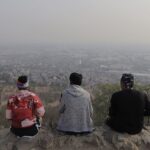
On July 22, the world experienced its hottest day in recorded history. The global average temperature reached 17.2 degrees C (62.9 degrees F), prompting UN Secretary-General António Guterres to issue a global call to action on extreme heat. The problem of extreme ...
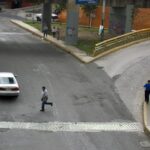
Mexico became the first nation to declare access to safe mobility a human right in 2020 and two years later passed the General Law of Mobility and Road Safety to protect people, reduce collisions and promote sustainable modes of travel. Now, with this new ...
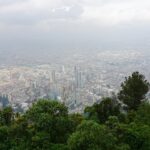
In Bogotá, Colombia, over 3,000 people die prematurely each year due to exposure to air pollution—namely from PM2.5, a fine particulate matter produced by vehicle exhaust, burning and industrial outputs. Bogotá is not alone: According to 2021 data, of 174 ...
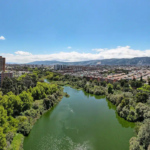
The Guacheneque Páramo, where the Bogotá River originates, represents the second largest source of drinking water for the city of Bogotá, Colombia. It is a key ecosystem that supplies water to approximately 25% of the city’s 7 million inhabitants. However, due to ...
Achieving transformation in today’s cities requires the active and ongoing participation of many stakeholders, from the public sector, to civil society, private companies and academia. Non-government organizations can play a crucial role due to their commitment to improving the quality ...
This summer the Northern Hemisphere has been so hot with record temperatures — including at sea — that discussions have turned to the limits of human survival. Even in the Antarctic, sea ice is failing to re-form, a drastic departure ...
Today’s city leaders face a level of complexity and rapid pace of change that can be overwhelming. Particularly in developing countries, urbanization is unfolding quickly and often haphazardly. One in three urban residents worldwide lack adequate access to at least ...
A picture is worth a thousand words, and dozens of photographers from diverse backgrounds captured scenes portraying their visions of a desirable and more sustainable city at COP27. Submissions to the Transformative Urban Coalitions photo competition were made by people ...

Cities are increasingly trying to discern what post-pandemic resilience will look like, especially in terms of mobility and public transport. And in Colombia, cities are known for their innovations in public transport systems — like Bogotá’s bus rapid transport and ...