


For better or worse, the year ahead brings a mix of reforms, political shifts and global milestones that will shape how urban sustainability agendas are governed and delivered.
From changes to the structure and leadership of the United Nations (UN) to new spaces for ambitious diplomacy on the fossil fuel transition to the coming IPCC Special Report on Climate Change and Cities, the urban sustainability agenda has never faced more complexity.
There is no more business as usual in this space, which can surely be an opportunity for new momentum and solutions — but the threat to the stability of multilateral cooperation and our global sustainability community remains.
Here’s what local and regional governments should be on the lookout for this year:
1) UN80 Reforms and New UN Leadership Offer a Reset for Sustainability
Building on the outcomes of the 2024 Summit of the Future and the UN’s 80th anniversary in 2025, UN Secretary-General António Guterres launched the UN80 Initiative to make the UN system more agile, integrated and fit for today’s overlapping crises. While the UN rests on three pillars — peace and security, development and human rights — among the 31 UN work packages (initiatives and compensation funds), only one, Work Package 27, focuses on the environment.
The Local Governments and Municipal Authorities (LGMA) Constituency COP30 Joint Position foresaw the relevance and importance of this process and called for connecting COP30 outcomes to UN80 reforms for a new era of multilevel cooperation in the global climate and sustainability agendas.
Meanwhile, throughout 2026, the UN General Assembly will elect a new UN Secretary-General who must be supported by all five permanent members of the UN Security Council — each equipped with veto power and high expectations for a female leader to take this job for the first time.
The UN80 reforms and new UN leadership could inject fresh momentum into global sustainability governance, taking the baton beyond 2030. However, both processes come at a time when multilateralism is under serious attack.
2) The Rio Conventions ‘Super Year’ Opens a Window for Climate-Land-Nature Synergies
Together with Agenda 21, the three Rio Conventions — the UN Framework Convention on Climate Change (UNFCCC), the Convention on Biological Diversity (CBD) and the UN Convention to Combat Desertification (UNCCD) — are critical legacies of the 1992 Earth Summit. After 30 years, there is a growing call for synergy and coherence among these conventions, especially as a means to secure environmental integrity and faster implementation of Sustainable Development Goals. ICLEI conducted the first annual review of the Rio Conventions at the Daring Cities Forum in 2025, underlining the importance of elevating multilevel action and urbanization in all three processes.
The “super year” starts with UNCCD COP17 in Ulaanbaatar, Mongolia, from August 17–28. Building on the success of the Mayors Forum at COP16 in Riyadh in 2024, local and regional governments will continue to highlight the importance of urban-rural linkages, migration, food, culture, nature conservation and water management in addressing desertification, land degradation and drought.
Attention then shifts to CBD COP17, held October 19–30 in Yerevan, Armenia, where countries will deliver the first global stocktake of the Kunming-Montreal Global Biodiversity Framework, with CitiesWithNature and RegionsWithNature as official CBD reporting platforms and the 9th Summit for Subnational Governments and Cities as ICLEI’s highlights.
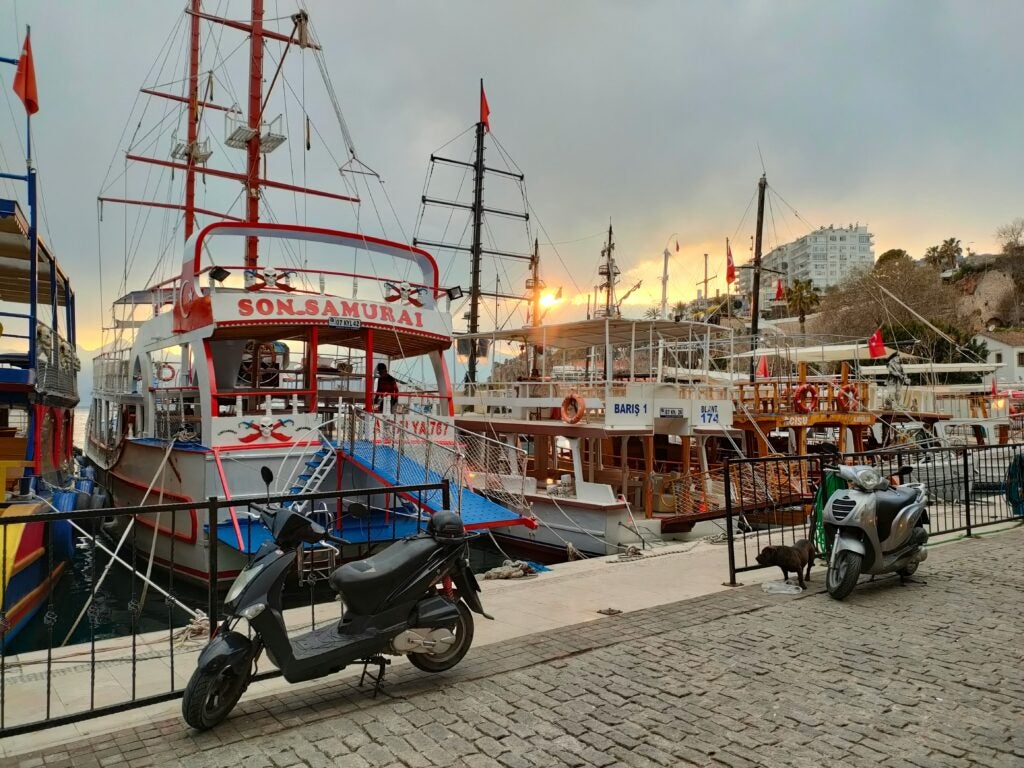
Just ten days later, UNFCCC COP31 opens in Antalya, Turkey. Running November 9–20, COP31 will be held under a new and unprecedented governance model: Turkey will host and hold the Presidency and the Action Agenda, while Australia will preside over negotiations, mobilize the Youth Champion and elevate the priorities of Pacific nations through pre-COP31.
The COP31 model adds a level of complexity for UN climate negotiations and diplomacy at a time when difficult discussions are expected on the fossil fuel transition, adaptation indicators, climate finance and building the just transition mechanism.
3) A Growing Coalition Takes the Fossil Fuel Fight Beyond Climate COPs
COP28 in Dubai put “transitioning away from fossil fuels” on the agenda, but COP29 in Baku and COP30 in Belém failed to deliver concrete outcomes, despite Brazil’s push for a widely backed roadmap.
Colombia and the Netherlands are leading a new push by co-hosting the first International Conference on the Just Transition Away from Fossil Fuels on April 28–29 in Santa Marta, Colombia. Building on the Belém Declaration on the Just Transition Away from Fossil Fuels, supported by more than 80 countries, the conference signals growing momentum beyond the slow-moving COP process. This shift is echoed by the expanding Fossil Fuel Treaty Initiative, backed by 18 countries, 140 cities and subnational governments, the World Health Organization, the European Parliament and more than 4,000 civil society organizations.
4) Sustainable Urbanization Gets a Reality Check as the New Urban Agenda Turns 10
Adopted a decade ago at Habitat III, the New Urban Agenda put cities at the heart of sustainable development, offering a framework to deliver the urban dimensions of all Sustainable Development Goals. Now, the spotlight turns to assess its implementation. To mark the Agenda’s midterm review, leaders will convene in New York City from July 16–17 for the UN General Assembly’s High-Level Meeting, scheduled just before the 2026 High-Level Political Forum on Sustainable Development (July 6–15).
Momentum will build in the lead-up at UN-Habitat’s World Urban Forum 13 (WUF13), taking place May 17–22 in Baku, Azerbaijan. The forum will enable governments, partners and stakeholders to align priorities and accelerate action.
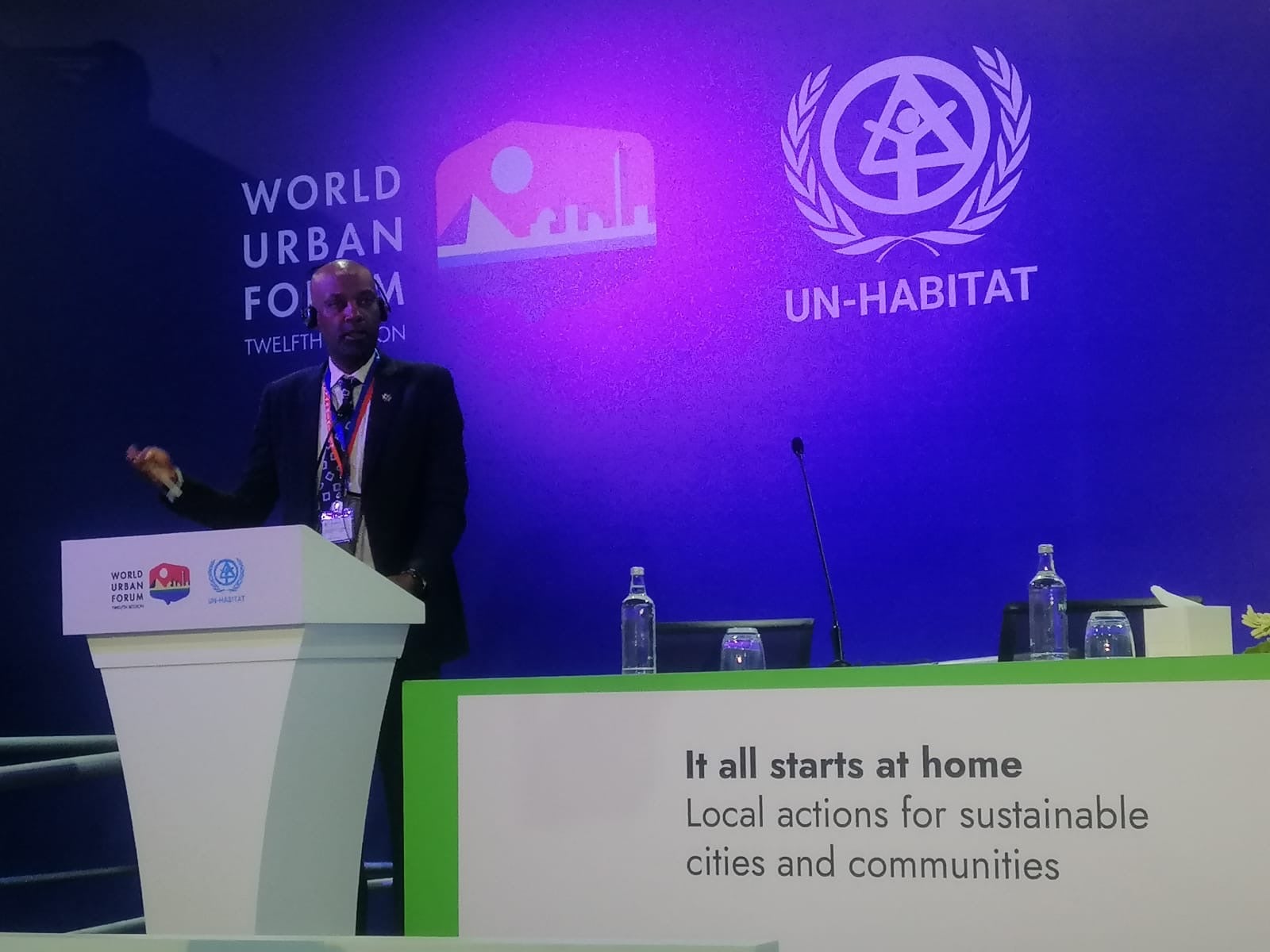
These milestones will assess how deeply the New Urban Agenda has been integrated into policies, programs and investments — including the new UN-Habitat Strategy, which has more emphasis on sustainability, climate and nature — in addition to surfacing good practices and gaps, and setting the pace for delivering its goals over the next decade.
5) One Year Left to Prepare for the IPCC Special Report on Climate Change and Cities
In just 15 months, the IPCC will release the landmark Special Report on Climate Change and Cities under its Seventh Assessment Cycle (AR7). This report marks a series of firsts for the international scientific body: The first report to be focused on a “place-based scale,” the first to deal exclusively with cities and urban areas — a request that was born out of the advocacy of the urban community — and critically, the first to include practitioners — city staff — alongside researchers as primary authors.
While the IPCC’s prior reports have provided science-backed conclusions concerning climate and sustainability that harness media and international attention, there have been cases where the UNFCCC did not take appropriate actions. In AR7, the urban community has the opportunity to catalyze momentum and investment based on the report’s results. Additionally, 2026 is the year to lay the groundwork towards an outcome of a dedicated work program on multilevel governance and urbanization for UNFCCC COP32 in 2027.
6) Elections in Colombia, Brazil and the US Put Climate Multilateralism to the Test
In Colombia, the continuity of the ambitious climate and fossil fuel agenda developed under former Bogotá Mayor and current President Gustavo Petro, who cannot run for re-election, will be tested with the first round of presidential elections on May 31.
In Brazil, President Luiz Inácio Lula da Silva has repositioned the country as a climate leader, as shown as COP30’s host. Whether that direction holds will depend on the two-round presidential election held October 4 and 26.
Meanwhile, the United States heads to midterm elections on November 3, which will determine which party leads Congress. The results will shape how much room exists for climate action — or obstruction — and how far the current U.S. foreign policy will continue its approach towards the UN and other international processes.
7) Power Blocs Under New Presidencies Could Drive the Global Sustainability Agenda
France’s G7 presidency unfolds under President Emmanuel Macron’s final year in office. While the rift between the transatlantic partners is expected to dominate the agenda of the G7 Leaders’ Summit in Evian from June 14–16, cities and regions will be proudly celebrating the first-time recognition of the Urban7 as an official engagement mechanism of the G7.
Meanwhile, the United States’ G20 presidency signals a sharper economic and geopolitical framing, with the G20 Leaders’ Summit on December 14–15 in Miami already announced to exclude South Africa. The U.S. G20 Presidency will also overlap with the FIFA World Cup 26 and the 250th anniversary of the U.S., which may introduce additional moments for political debates. Meanwhile, the Urban20 Summit — to be hosted in New York City with support from Los Angeles — will be an important moment for both domestic and global agendas in the U.S.
India takes the helm of the BRICS group, which will prioritize resilience, innovation, cooperation and sustainability. It offers space to carry forward initiatives on climate risk reduction, equitable approaches to artificial intelligence and scientific cooperation, particularly relevant for fast-growing economies of the Global South. Building on the endorsement of BRICS’ endorsement of India’s candidacy to host COP33 in 2028, 2026 India’s 2026 BRICS presidency is expected to be designed as one of the preparatory processes and complement the evolution of the urban and Mayoral agenda within BRICS over the past few years.
8) COP Plenary Halls Alone Won’t Deliver the Climate Action the World Needs — Cities, States, Towns and Regions Will
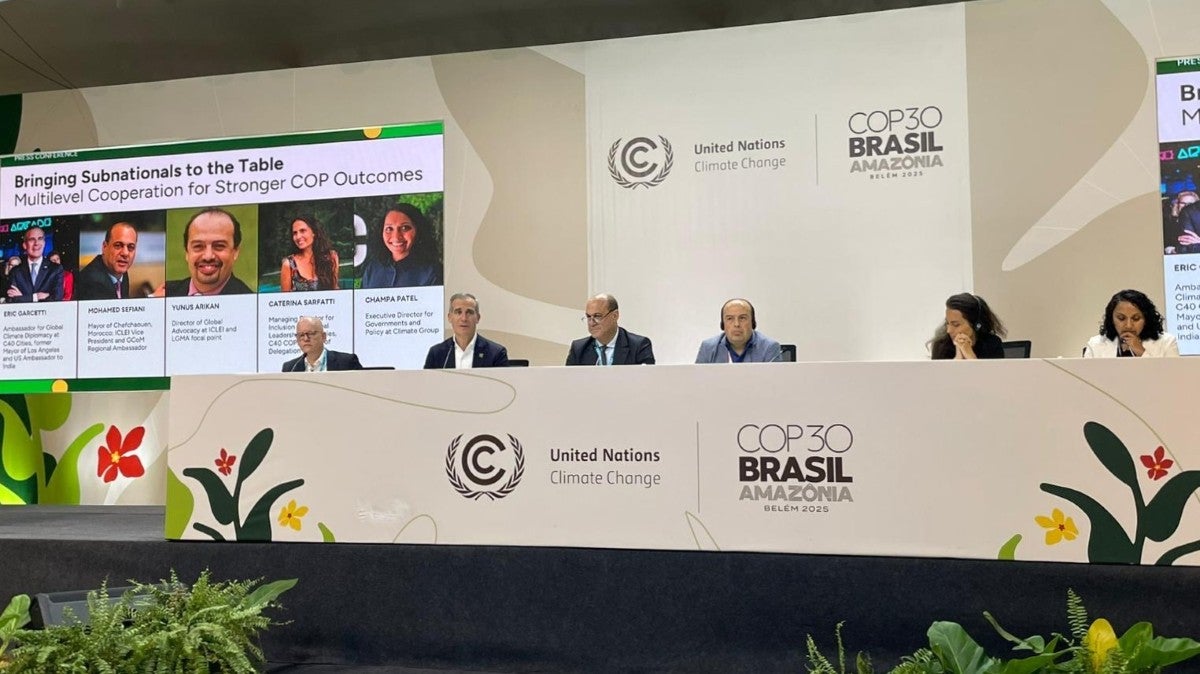
Cities and regions will continue to push for on the ground implementation, with year-round advocacy undertaken by the LGMA Constituency. ICLEI serves as the focal point for the LGMA, one of nine official Constituencies within the UNFCCC. This role is a special one that demands deep partnership and collaboration from all networks involved. Momentum builds from the United Cities and Local Government’s (UCLG) Annual Retreat in Barcelona, Spain, from February 23-27 to ICLEI’s Town Hall COP Initiative, which enters its second year after engaging nearly 15,000 residents worldwide in community-led climate dialogues in 2025.
At the SB64 climate talks in Bonn from June 8–18, Daring Cities 2026 will push for stronger multilevel action, alongside the second Annual Review of Local and Subnational Action on the Rio Conventions and sessions on CHAMP (the Coalition for High-Level Action on Multilevel Partnerships), which sees new leadership from Brazil and Germany as co-chairs and is supported by a new operational governance structure this year.
June continues with the Innovate4Cities Conference in Nairobi, Kenya, from June 21-24, which will strengthen the evidence base for urban climate action. Later in the month, June 23–26, the UCLG World Congress in Tangier, Morocco, will be an opportunity to advance the global dialogues of national, regional and thematic networks of local and regional governments. Meanwhile, the second Nature Positive Summit in Kumamoto, Japan, in July, will spotlight how local governments and the private sector can deliver on the Global Biodiversity Framework ahead of CBD COP17.
9) Bonus Track: Will the Global Plastic Treaty Finally Reach Agreement?
Ending plastic pollution remains unfinished business. On February 7, governments will meet in Geneva, Switzerland, to appoint a new chair of the Intergovernmental Negotiating Committee (INC) after talks stalled in 2025. With oil- and gas-dependent countries still resisting limits on plastic production, momentum remains fragile. Another round of negotiations is expected in August and September, leaving 2026 as a make-or-break year.
—
The speed, direction and depth of tensions among power blocs in the first weeks of 2026 have already shown that the year will bring some of the toughest challenges yet to securing a fair, inclusive and ambitious multilateral system.
As we enter the second quarter of the 21st century, when the world is much more urban and connected than ever, it may be time for subnational actors to become even more vocal to offer their national and global partners the opportunity to seize the power of multilevel collaboration and urbanization as the hope for a more positive and unifying transboundary collaboration.
A version of this article originally appeared on ICLEI’s CityTalk.
Yunus Arikan is Director of Global Advocacy at ICLEI – Local Governments for Sustainability.