


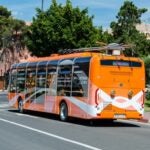
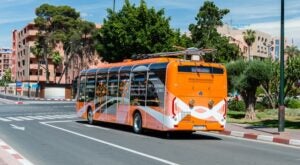
Today’s global challenges of prolonged fuel crises, rising consumer prices, dwindling natural resources and new workforce pressures demand disruptive innovators willing to test new technologies and business models that enable countries to rapidly transform their economies. Accelerating these national ...

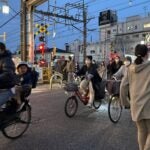
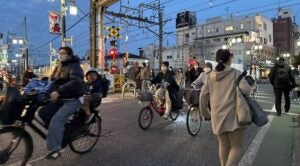
Despite a lack of dedicated bicycle infrastructure, Tokyo is among the world’s great cycling cities, with 14% of all trips made on two wheels. The city’s narrow roadways discourage through traffic and require slow speeds, creating an informal network of ...
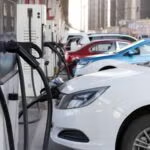
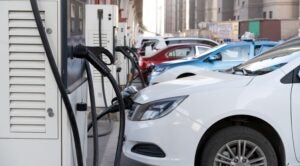
Most electric vehicle (EV) batteries are retired with as much as 70% to 80% of their original capacity remaining. They still work, but their performance no longer matches automotive requirements that demand full charging capacity for long-range driving. Over time, ...


As the federal government advances rollbacks of more than 100 environmental and climate policies and resources, it is redefining the U.S. government’s role in protecting communities disproportionately impacted by pollution — and diminishing opportunities for communities to make decisions that impact their ...

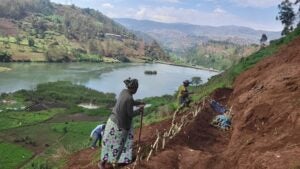
Bukavu, Democratic Republic of the Congo, sits where Lake Kivu drains into the Ruzizi River along the border with Rwanda. The city’s steep hillsides turn heavy rains into fast-moving runoff that overwhelms drains, damages roads and threatens downstream communities. It’s ...
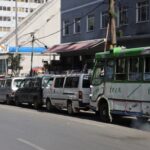
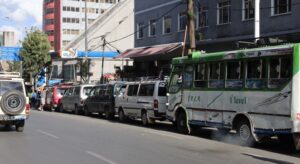
When fuel queues stretch for kilometers and commuters wait hours hoping public transport will eventually show up, the fragility of Ethiopia’s transport systems becomes impossible to ignore. A recent national fuel crisis — triggered by global supply disruptions after the ...

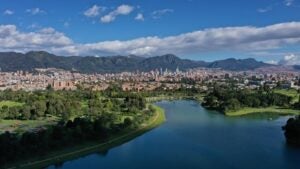
Well-located housing — integrated with mass transit, public services and climate-resilient design — is an instrument of urban productivity, not an add-on to urban planning. In Bogotá, this integration is becoming central to how the city responds to accelerating climate ...
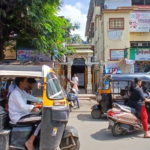
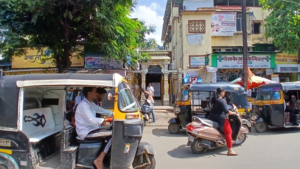
In the peripheral areas of Mumbai, the humble autorickshaw provides a vital link between homes, transit stations and essential urban services. For nearly 13 million residents, shared autorickshaws function as essential first- and last-mile connections, helping commuters navigate areas where ...
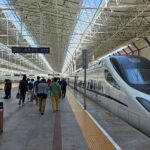
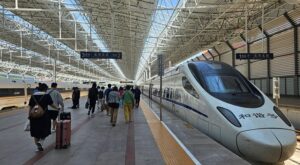
As people live longer and more independently, many are finding that their city transportation systems are difficult to navigate: bus schedules don’t match the times they go out, payment platforms are harder to use or they’re physically unable to board ...
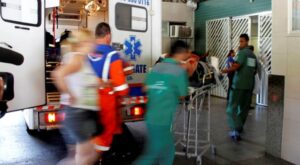
Climate change is one of the greatest health threats we face. By 2050, it could claim nearly 16 million deaths across low- and middle-income countries. Extreme heat, the spread of climate-sensitive diseases like malaria and cholera, and disruptions to hospitals and other healthcare could ...