



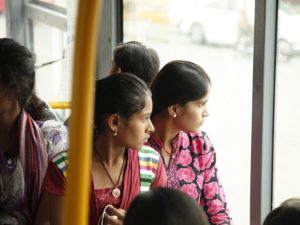
Over the past decade, many transit agencies in Indian cities have implemented information technology services (ITS) to improve bus planning and operations in urban areas. These typically require huge investments financed either by the city government or by the transit ...



Belo Horizonte, Brazil is a city of remarkable cuisine, green spaces, and architecture. The city is increasingly designed using people-oriented urban development strategies that prioritize the people who make the city come alive. Even for outsiders, this state capital feels like ...

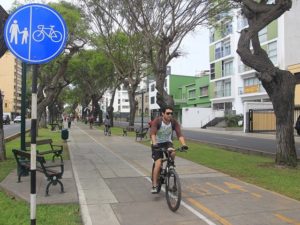
Peru was recently awarded €9 million ($11.14 million) for its urban transport Nationally Appropriate Mitigation Actions (NAMA) by the German and British NAMA facility. This climate finance award will allow the Peruvian government to leverage $50 million from development aid agencies – especially KfW, ...

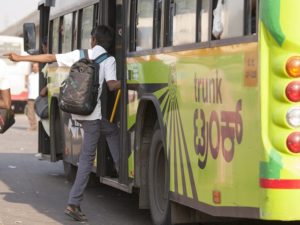
Like many cities around the world, Indian cities are experiencing urbanization, motorization, and increasing congestion. Coupled with declining public transport use and infrastructure expenditures that promote a car culture by building roads and flyovers (overpasses), Indian cities are losing out ...
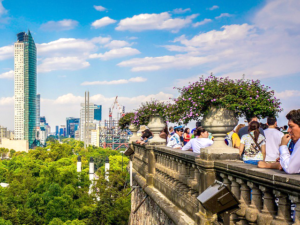
Sustainable, accessible, thriving cities are within our reach. Investing in solutions like energy and building efficiency, integrated public transit and better land use and transit planning can improve health, quality of life and economic opportunities in cities. In fact, the ...
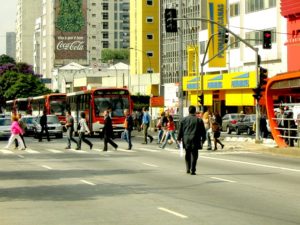
In some Brazilian cities, poorly managed urban development has led to “3D” urban form – distant, dispersed, and disconnected. Over the past ten years, demand for urban public transport has decreased by 33% in Brazilian cities while car sales are ...
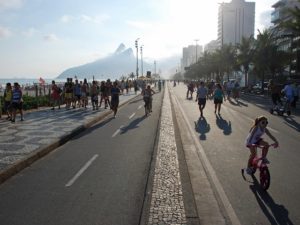
Rio de Janeiro is one of the world’s leading cities injecting sustainability into its planning. In 2011, Mayor Eduardo Paes enacted an ambitious climate change law, setting a goal to avoid 20% of its emissions by 2020, based on 2005 levels. There ...

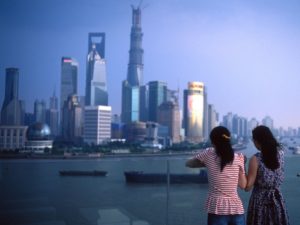
We are living in the midst of the urban century. Though it is common knowledge that the world is urbanizing, it can be striking to visualize this growth on a map. This animation from Unicef maps countries’ urban populations from ...
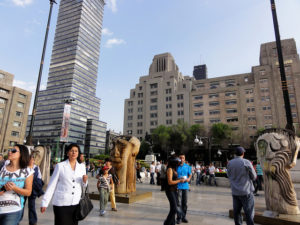
Urbanization is reshaping the economy, energy systems, and climate of our planet. By 2050, the world’s cities are expected to add 2.5 billion people who will need housing, hospitals, schools, and places to work. Though global greenhouse gas emissions continue ...


Looking for an opportunity to catalyze sustainable, people-centered urban mobility? The Lee Schipper Memorial Scholarship wants to help you transform ideas into reality. The Schipper family and EMBARQ, the sustainable transport arm of the World Resources Institute’s WRI Ross Center ...