


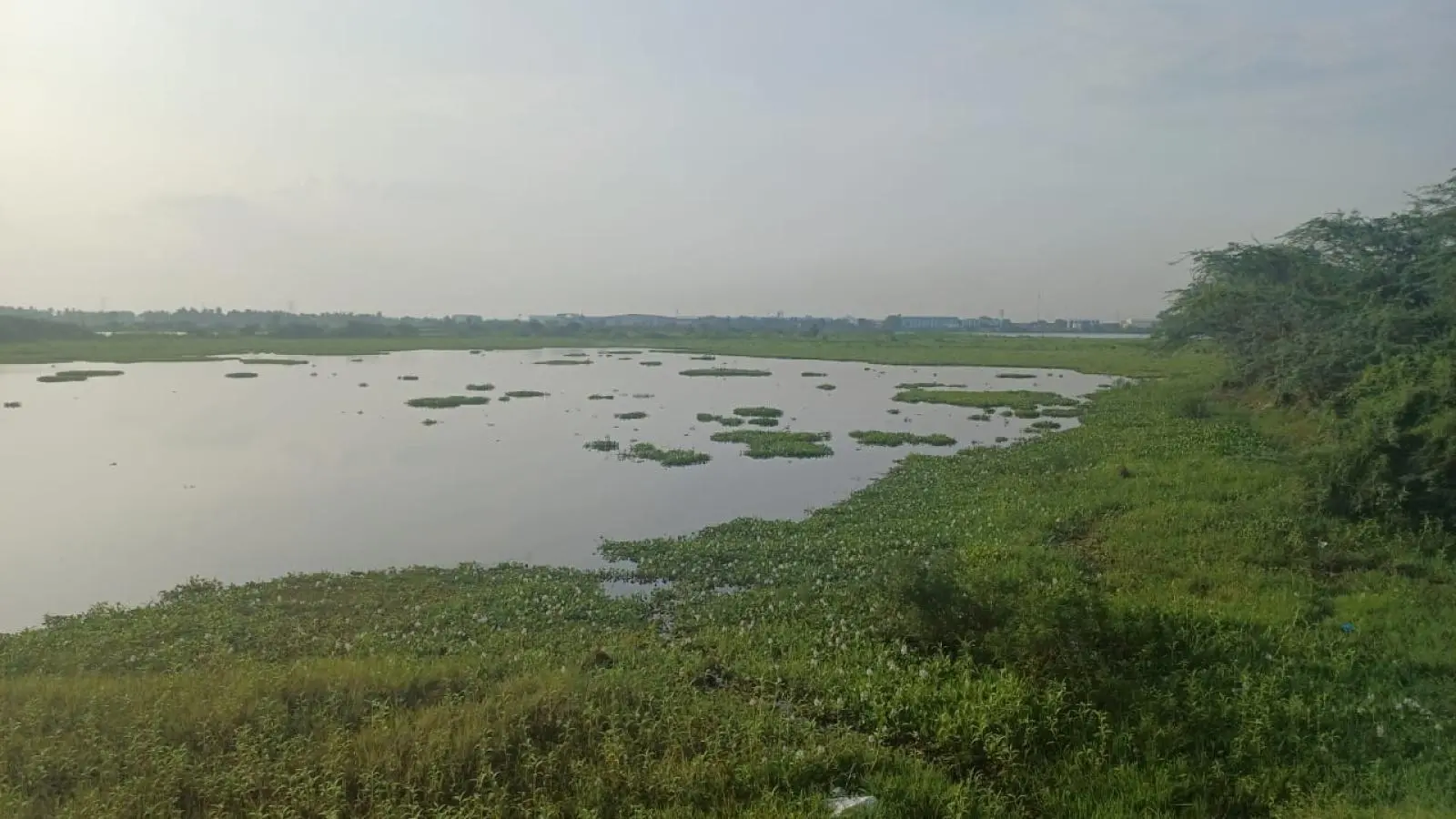
Greater Chennai Corporation (GCC), India’s oldest municipal body, governs a sprawling and densely populated urban landscape where climate resilience is not just a goal, but a necessity. With much of the city lying barely two meters above sea level and facing intense monsoon rains, Chennai is acutely vulnerable to both floods and droughts. In response, the city has turned to a powerful ally: nature itself.
As part of the UrbanShift program, Chennai is advancing a landmark restoration of Kadapakkam Lake in north Chennai, an initiative that blends multilevel collaboration, nature-based solutions and inclusive urban planning.
Nature as Infrastructure
The restoration of Kadapakkam Lake is more than a beautification project; it’s a strategy rooted in science, tradition and necessity. Once choked with weeds and silt, the lake is being dredged and deepened to improve water retention, reduce flood risk and provide year-round ecosystem services.
The project, supported by the Asian Development Bank (ADB) and a $6.88 million grant from the Global Environment Facility (GEF), is a model of how nature-based solutions can serve multiple climate goals. Beyond flood mitigation, the lake is being redesigned to support biodiversity, educational awareness and community recreation, especially for vulnerable groups such as women, children and people with disabilities.
Chennai’s geography explains this emphasis. With its flat topography and coastal exposure, stormwater has nowhere to go during intense rainfall. But restored water bodies like Kadapakkam Lake act like urban sponges, absorbing excess water during storms and recharging groundwater during dry spells. As part of its broader Integrated Urban Flood Management Plan for the Kosasthalaiyar River Basin, the city has already restored over 210 such lakes and ponds.
Collaborative by Design
Kadapakkam Lake’s revival is a textbook case of multilevel governance done right. At the helm is the GCC, working in coordination with the Municipal Administration and Water Supply Department, the Department of Economic Affairs, the ADB and the GEF. The Water Resources Department handles the drainage component, while local NGOs, industry groups and community members contribute insight and support.
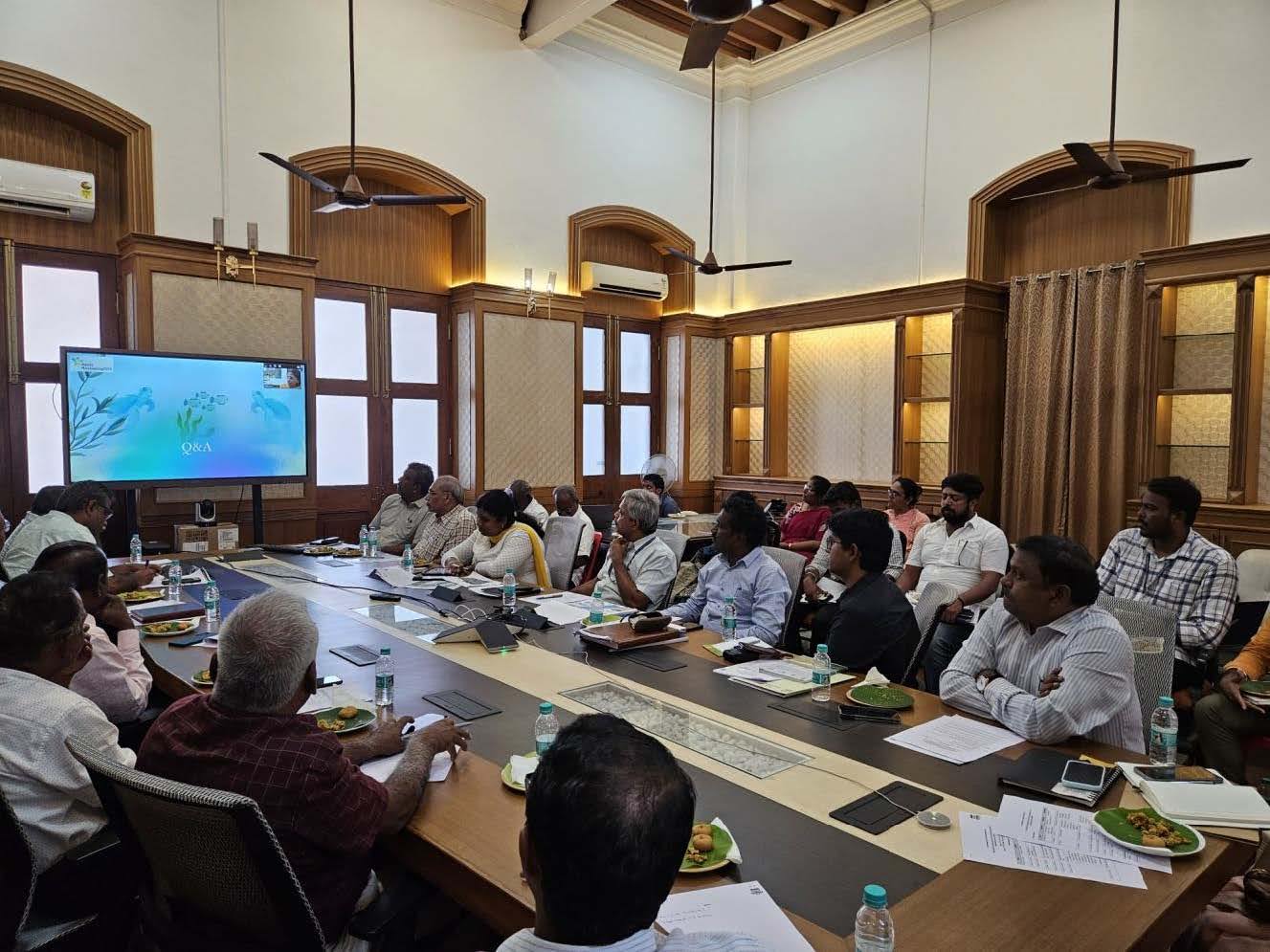
A formal Lake Management Committee ensures that environmental experts, hydrologists and residents all have a seat at the table. This participatory approach not only improves technical outcomes but also builds public ownership of the space.
And the benefits are tangible: Local residents have been employed in tasks like weed removal, landscaping and solar lighting installation, creating a pipeline for long-term green jobs in maintenance and community stewardship.
In addition, Chennai’s engagement in UrbanShift has played a meaningful role in shaping its strategy. Officials from the city have participated in multiple knowledge-sharing forums, including the UrbanShift Asia Forum in 2023 and the Regional City Academy in Indonesia in 2024. These platforms spotlighted best practices in climate adaptation and showcased how other cities are leveraging nature-based solutions and sustainable finance.
According to Chennai’s Storm Water Drain Department, these exchanges reinforced the city’s existing plans while pushing them to systematize lessons learned, scale blue-green infrastructure and explore innovative financing mechanisms.
Make Adaptation Visible, Inclusive and Measurable
The vision doesn’t stop at Kadapakkam Lake. Chennai’s lake restorations are being framed as replicable models of nature-based solutions that can attract green financing and guide other cities. Under the current project, the Indian city of Madurai has already been selected as a replication site. Long-term goals include expanding Chennai’s green and blue infrastructure, documenting successes and sharing learnings nationally and internationally.
The focus is not only on climate metrics. Restored water bodies provide critical social benefits, such as shaded walkways, community gardens, biodiversity pockets and outdoor classrooms that teach environmental stewardship.
For cities hoping to follow Chennai’s example, the message is clear: Nature-based solutions work best when they are integrated from the start. Chennai underlined the importance of defining clear contracts with measurable outcomes, engaging diverse stakeholders meaningfully and aligning projects with broader green finance opportunities.
The city’s journey from flood-prone vulnerability to green resilience is still unfolding. But Kadapakkam Lake already tells a compelling story: When cities treat nature as infrastructure and involve people in the process, they build climate resilience, public trust and employment.
A version of this article originally appeared on ShiftCities.org
Matteo Bizzotto is Senior Global Communications Officer and Communications Lead for UrbanShift at ICLEI – Local Governments for Sustainability.