


Posts in the 'Sustainable Mobility' category

A central piece of the conversation about how to reduce greenhouse gas emissions from the transport sector has been around the need to electrify vehicles. This sentiment has been fueled by manufacturers and governments pledging to stop selling fossil-fueled powered ...


Electric vehicles may own the headlines, but our feet remain the most environmentally friendly means of travel, closely followed by bicycles, skateboards, scooters, tricycles and other active, non-motorized modes. Not only does zero-emission active mobility help protect the climate and ...

Several countries made climate commitments at COP26 with the goal of achieving net-zero emissions and reducing climate impacts. These goals will be impossible to achieve without making transportation sustainable, as the sector creates almost a quarter of global greenhouse gas ...
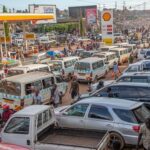
Multimodal public transport in Uganda is widespread but largely an informal affair. Kampala, like many African cities, relies on this informal system – comprised largely of taxis (14-seater minibuses) and boda bodas (motorcycle taxis) – to provide much-needed connectivity to ...

The COVID-19 pandemic has made existing knowledge about how, why and where people travel largely obsolete. Even as some cities recover, travel patterns have changed. One thing is clear: around the world, public transport ridership declined precipitously and has not ...

When shopping for a car, you’ll find numerous websites and guides that provide detailed information on their costs and performance, plus ratings and reviews. However, there is much less data about emerging transportation technologies and services that are poised to ...

The global coronavirus pandemic brought a wave of public and private initiatives to help societies adapt and recover, from economic stabilization and safety measures to new business models and shifts in consumption. Many of these initiatives are not green, despite ...

Crisis often sparks changes to the ways we move. Post-war prosperity made the automobile a household item, and lifestyle. The 1970s global oil and fiscal crisis brought a short-lived bike boom and a retreat of city dollars for public transit. ...

In 2020 and into 2021, transportation agencies, companies and advocacy groups acted swiftly in the face of the unique public health crisis and disruption caused by COVID-19. They provided solutions that kept frontline workers, groceries, health services and other critical ...

The COVID-19 pandemic has highlighted public transportation as an essential service for the functioning of all cities. But especially for many women, the closures and general instability of public transit systems have meant loss of access to services and customers ...

Cycling, a sustainable, healthy and low-cost mode of travel, has seen a resurgence in popularity during the pandemic as cars and buses stayed off the roads. During the lockdown in the UK, cycle-to-work schemes saw a 200% rise in bicycle orders from ...

Road development throughout the 20th century was based primarily on the premise that more infrastructure eases traffic. But evidence shows that road building, instead of reducing congestion, actually increases traffic. When travel time by car is reduced and convenience increased, ...
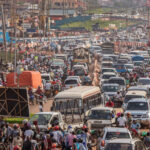
Climate change is the defining challenge of our time, and clean energy and green transport are the keys to addressing it. Less than two decades ago, energy emissions seemed to be spiraling out of control as countries were locked into ...

This blog is also available in Spanish on IADB.org. For most Latin American and Caribbean cities, public transport is the single most important way to access opportunity and essential services for most urban dwellers, from finding a job to education ...

As sales move increasingly online, e-commerce has boomed globally. Shipping goods has become more complex, as more items must be individually delivered to consumers’ homes, compared with bulk delivery to a store. In New York City, for example, the average ...