


Posts in the 'Sustainable Mobility' category
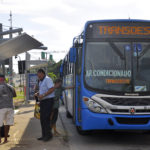
The Olympics have given us the opportunity to meet the wonderful city of Rio de Janeiro. The landscape of Guanabara Bay, the famous beaches, Sugarloaf Mountain, Lagoa and the tropical forest are so beautiful, it feels natural that the Portuguese ...

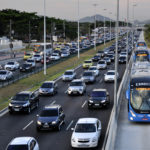
The Summer Olympics in Rio de Janeiro, the first South American city to host the modern games, famously faced challenges in the run-up to the event – from construction delays to a polluted venue to worries about the Zika virus ...

The world’s two-largest emitters have a lot to learn from each other—especially on transport. Transportation is already a major source of CO2 emissions in both China and the United States—at 20 percent and 30 percent, respectively. The percentage of people traveling by car ...

Investing in sustainable transport infrastructure is something national and local leaders want as a way to cut climate-warming emissions – 23 percent of the global total – generated by the world’s transportation systems. But it has become a daunting prospect ...
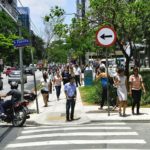
At a training session at the World Bank in Washington, DC two years ago, Dr. Kavi Bhalla from the Johns Hopkins Bloomberg School of Public Health asked attendees to look down at the palms of their hands. The meeting included ...

Cities can do a lot to promote cycling, but the private sector and civil society can play a significant role in helping build a safe and convenient cycling culture. For example, innovative startups in Singapore and Copenhagen are developing mobile ...
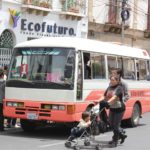
Cities across the world are harnessing the power of technology to connect directly with citizens about pressing issues, from infrastructure planning to questions about how to spend their budgets. Now, transportation planners are getting in on the game in order ...

Washington, D.C., one of the most powerful cities on Earth, has been thrown off-stride by a transit crisis. Starting March 16, the U.S. capital’s Metro system, which serves more than 710,000 passengers daily, closed down for 29 hours for emergency power ...

With the arrival of new and powerful technologies, and the declining costs of these technologies, some new possibilities are emerging for cities and their transport systems. For example, the Internet of Everything (IoE) can benefit cities by connecting people, processes, ...
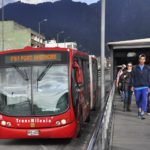
Physical inactivity is one of the ten leading risk factors for death worldwide. Approximately 5.3 million people die prematurely every year due to cardiovascular diseases, breast and colon cancer and diabetes and other illnesses associated with sedentary lifestyles. According to The ...
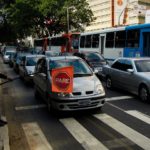
How can we tackle the challenge of traffic congestion? What is driving urban sprawl? How does public transportation relate to issues of equity? In the following interview, TheCityFix sat down with Todd Litman, Founder and Executive Director of the Victoria ...

Across the world, young and dynamic businesses are leveraging technology to improve last-mile connectivity and deliver more efficient mobility solutions. While access to on-demand services like Uber and Ola has often made commuting in cities more convenient, it is unclear ...

As part of Bogotá’s 16th annual car-free day on February 4, 2016 the city reaffirmed its commitment to safe cycling by converting one of the four lanes on Carrera 11—a major road—into a two-way bike lane. The road has included ...

Talk to any data expert, and you’ll probably hear about how data is revolutionizing urban transport. Without access to travel information, people are left in the dark when it comes to planning their day—a major inefficiency for any city. For ...

People with access to real-time transit information have been shown to spend 15 percent less time waiting at bus stops than people without this information. Additionally, a study of Chicago’s bus routes found that access to real-time transit information increased ...