




From April 15 to 16, 2015 in New Delhi, city and transport leaders from around the world came together for the third annual edition of WRI India’s CONNECTKaro conference. This year’s theme of Smart Cities for Sustainable Development and focused on ...



It would take farm land the size of Mexico just to grow the amount of food that humans produce, but do not eat, every year. More food goes uneaten at the consumption phase of the supply chain—in places like homes, ...

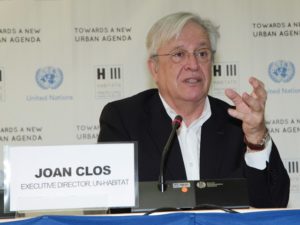
In 1950, fewer than 800 million people lived in urban areas. Today that number is almost 5 billion, and is expected to surpass 6 billion by 2045, according to the UN World Urbanization Prospects. Urban growth—and its related challenges of ...

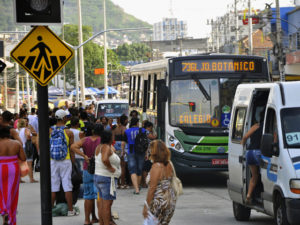
In 2012 alone, Latin America saw 131,000 preventable air pollution-related deaths. To reduce emissions and improve air quality, it’s essential that public transit fleets—like buses—become more fuel-efficient. Adopting cleaner fuels—like natural gas or low-sulfur diesel—and upgrading to technologies that produce ...

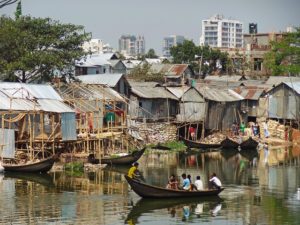
As a filmmaker, writer, and editor, Cassim Shepard is particularly attentive to the many complex ways that rapid global urbanization is affecting people at a very fundamental level—what they see, feel, and do in daily city life. Commissioned by Design ...

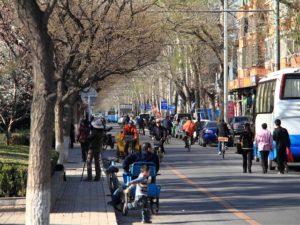
A century of car-centric urban development has left our cities polluted, congested and searching for sustainable solutions. Transport Demand Management (TDM) strategies can provide these solutions by combining public policy and private sector innovation to reverse over-reliance on private cars. ...


Editor’s note April 14, 2015: This article was updated to include a reference to the Bus Rapid Transit Centre of Excellence. The world has never been more urban than it is now, and this trend isn’t expected to slow down ...

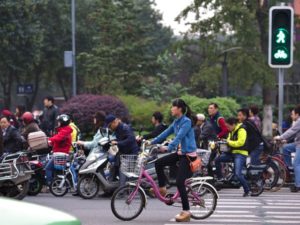
This is the second installment of the China’s Clean Air Challenge series, exclusive to TheCityFix. This series examines the increasing social, environmental, and economic impacts of serious air quality issues in Chinese cities, and investigates the source of emissions and ...


In 2002, Brazil produced 60,000 metric tons of waste per day, 76 percent of which was disposed of in landfills with no long-term management or water treatment. In response to growing challenges with waste production and trash dumping, the country ...


Consensus is building around the many benefits of compact cities. Overall, compact cities use fewer resources, produce fewer carbon emissions, and provide better quality of life for their inhabitants than their sprawled counterparts. In rapidly urbanizing countries in the global ...