


Posts tagged with 'Integrated Transport'
Nossa Cidade (“Our City”), from TheCityFix Brasil, explores critical questions for building more sustainable cities. Every month features a new theme. Leaning on the expertise of researchers and specialists in WRI’s sustainable urban mobility team in Brazil, the series will feature in ...

The United States’ urban transport mantra of “wider and more roads” dates back to the 1900s and is slowly being phased out for more compact development. However, in Turkey, the sentiment remains alive and well. To demonstrate this, consider Turkey’s ...
Public Bicycle Sharing (PBS), or bike share, as it is more popularly known, was first introduced in Amsterdam in 1965. While the concept spread to various European cities, it remained largely experimental in nature and small in scale. It wasn’t ...
Traffic crashes claim more than 1.2 million each year, and will be the world’s fifth-largest cause of death by 2030 unless we improve road safety. The impact of these crashes falls disproportionally on cities in the developing world, with 90 ...
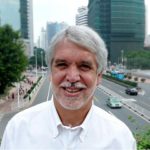
Enrique Peñalosa, Bogota’s former mayor, will come to Rio de Janeiro, Brazil on September 9 for the Mayors´ Summit. The event is hosted by WRI Brasil | EMBARQ Brasil as part of EMBARQ Brasil’s 10th anniversary celebration. Here is an exclusive interview for ...
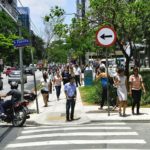
A century of car-centric urban development has left our cities polluted, congested, and searching for sustainable solutions. Transport Demand Management (TDM) strategies can provide these solutions by combining public policy and private sector innovation to reverse over-reliance on private cars. ...

Known for its beautiful natural landscapes, Christ the Redeemer statue, and Copacabana beach, Rio de Janeiro is an iconic city. Citizens’ ability to access these and local opportunities, though, has been limited in the past due to increased reliance on ...
With a metropolitan population of more than 21 million people—and growing quickly—Mexico City faces distinct challenges in delivering sustainable urban mobility. Whether to combat a long history of urban sprawl or to meet the mobility needs of different communities, the city has had ...

Streets perform a necessary function in the life of cities, like the arteries of a complex, urban organism. As the Project for Public Spaces notes, city streets “animate the social and economic life of communities” by serving as primary sites ...
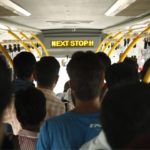
This article was originally published in the Deccan Herald on February 25, 2015. After five years of construction, Indore opened one of India’s few bus rapid transit (BRT) systems in May 2013. Operations started with a fraction of the total ...
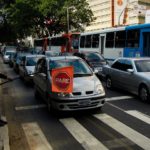
A century of car-centric urban development has left our cities polluted, congested, and searching for sustainable solutions. Transport Demand Management (TDM) strategies can provide these solutions by combining public policy and private sector innovation to reverse over-reliance on private cars. ...

For São Paulo, the largest city in the southern hemisphere, making sure that residents have access to reliable transport options at all hours of the day is a particularly acute issue given the size and population of the city. Starting ...
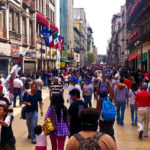
Previously on TheCityFix, we took you through the initial steps of EMBARQ and IDEO’s project to explore how human-centered design thinking can be put to work for sustainable urban mobility. We’re asking a bold question – what if there were ...
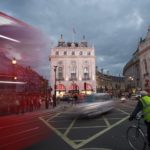
This is the fifth entry in the Urbanism Hall of Fame series, exclusive to TheCityFix. This series is intended to inform people about the leading paradigms surrounding sustainable transport and urban planning and the thinkers behind them. By presenting their many ...

The concept of smart, connected transport is a hot topic among city leaders looking to ride the wave of innovation to more sustainable, prosperous cities. Despite this, building a truly smart and interconnected urban transport system is more than most ...