


Posts in the 'Nature-Based Solutions' category
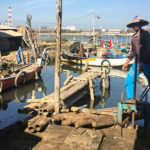
One of the biggest challenges to climate action is not only understanding the risks of flooding, extreme heat and other challenges, but how your community might respond to these risks. What are its strengths? How might policymakers augment existing capacities ...

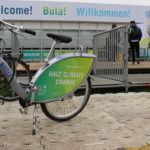
By the time the last gavel came down early in the morning of November 18, international climate negotiators in Bonn paved the way to the next climate summit in Katowice, Poland in 2018. There, the rules underpinning the Paris Agreement ...
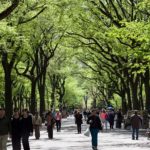
Would you spend $8 per year to see your community reduce rates of obesity, heart disease, anxiety and asthma? Still not convinced? What if that investment also reduced energy costs and increased property values? Urban trees can transform city neighborhoods, ...
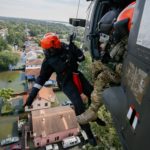
As southeast Texas residents and officials conduct what’s certain to be a grim accounting of Hurricane Harvey’s deadly impacts, they will also turn their attention to rebuilding and recovery. When they do, they will face a clear choice: whether to ...
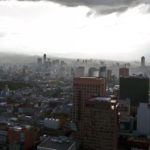
The Metropolitan Area of the Valley of Mexico, as Mexico City’s wider metropolitan area is locally known, faces a two-fold dilemma. In recent years, the intensity of rains has increased, straining drainage systems and causing severe flooding in low-lying areas. ...
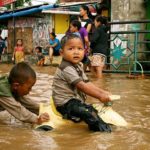
Rapid urbanization, economic growth and climate change are putting increasing pressure on urban communities around the world. While strong physical structures are important, social relationships play a key role in determining urban communities’ resilience during adverse weather events. Community resilience ...
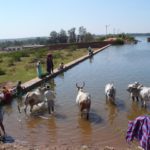
As India’s summer intensifies, many states are already in the midst of a drought—and the hottest days have yet to arrive. At the same time, water-intensive agriculture, rapid urban expansion, increases in industrial activity and growing energy production are driving ...
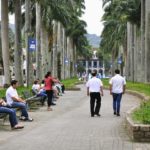
In addition to counting people, cars and kilometers of infrastructure, cities today are counting trees. Urban forests are another tool to combat climate change and increase quality of life in cities. Furthermore, concrete urban jungles lack a connection to nature, which directly ...
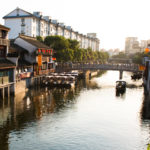
The journey of our water from source to tap is long, and not one we think much about. For most of us, our water starts high in the mountains, hundreds of miles away. From there, water flows across natural and ...
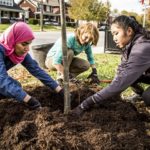
Can nature help cities address the twin problems of air that is too dirty or too hot? Based on a new report released by The Nature Conservancy – in collaboration with C40 Cities Climate Leadership Group – the answer appears ...

WRI Ross Center for Sustainable Cities is reporting on Habitat III from Quito, Ecuador. Follow our daily coverage on TheCityFix. Habitat III, the third United Nations Conference on Housing and Sustainable Urban Development, officially began on Monday, October 17th in Quito. ...
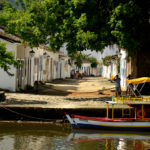
Leia este post em Português. Serious water crises have plagued Brazil’s major cities in recent years. Severe pollution in Rio de Janeiro’s Guanabara Bay is jeopardizing sailing and other water sports at the upcoming Olympic Games. A historic drought from 2013 to 2015 in São Paulo ...
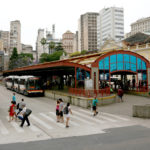
As home to more than half the world’s population, cities are some of the places most vulnerable to the impacts of a warmer world. Yet in many ways, they’re still not equipped to deal with the challenges climate change presents. ...
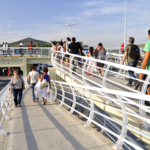
Cities are at the forefront of combatting climate change. Many cities and municipal governments and agencies were party to the Paris Agreement reached at COP21 in December, and many have committed to ambitious greenhouse gas reduction goals and meaningful climate ...
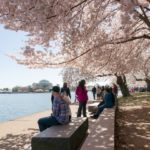
While the words “forests” and “cities” don’t traditionally go hand in hand, urban forestry has started to bridge that gap. While some cities have minimal tree cover due to inadequate soil or a lack of space, others are nearly half ...