


Posts in the 'Green Growth' category
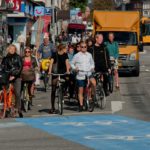
This is the fourth entry in the Urbanism Hall of Fame series, exclusive to TheCityFix. This series is intended to inform people about the leading paradigms surrounding sustainable transport and urban planning and the thinkers behind them. By presenting their many ...

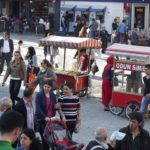
Istanbul, Turkey, has stood at the center of the Eastern Roman Empire, the Byzantine Empire and the Ottoman Empire. It has acted as a central hub of political history and artistic creation for some 20 centuries, with remnants of the ...
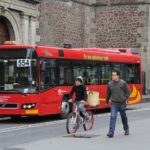
Quality, user-friendly public transport systems provide a viable alternative to the private car and help build livable, accessible cities. Photo by Alejandro Luna/EMBARQ Mexico. The “People-oriented Cities” series – exclusive to TheCityFix and Insights – is an exploration of how ...
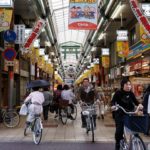
Even as malls are declining as social spaces in the United States, shotengais (商店街) – pedestrianized business districts covered with translucent roofs – remain a part of everyday life in Japanese cities. Shotengais are generally located near transport hubs and ...
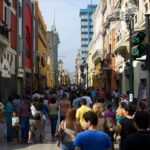
We all have ideas for how to make our cities better places to live. Whether it’s more tree-lined streets, better infrastructure for cycling and walking, or safe access to public transport for all city dwellers regardless of gender, it’s not ...
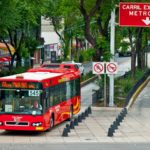
The “People-oriented Cities” series – exclusive to TheCityFix and WRI Insights – is an exploration of how cities can grow to become more sustainable and livable through transit-oriented development (TOD). The nine-part series will address different urban design techniques and trends ...
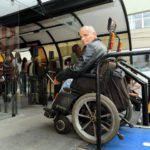
This is the third entry in the Urbanism Hall of Fame series, exclusive to TheCityFix. This series is intended to inform people about the leading paradigms surrounding sustainable transport and urban planning and the thinkers behind them. By presenting their ...
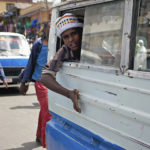
Addis Ababa, the capital city of Ethiopia, is one of the fastest growing cities in Africa. In fact, it’s population has almost tripled since 1970. In its rapid race towards development, little space was left for parks, little consideration was ...
We live in a world where four out of five millennials prefer to live in walkable places with a variety of commuting options, a world where people want to drive less and socialize more. However, while the next generation’s desires ...
Public spaces function as city halls, entertainment epicenters, informal meeting places, and cultural classrooms for cities. When thinking about what makes a successful public gathering point, things like architecture, historic monuments, and the people within the space come quickly to ...
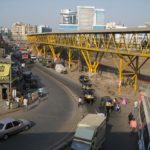
Mumbai, India’s skywalk project was meant to provide better connectivity and accessibility for pedestrians in the city. The project – a joint initiative of the Mumbai Metropolitan Region Development Authority (MMRDA) and the Maharshtra State Road Development Corporation (MSRDC) – ...
While cities are drivers of economic growth, this prosperity does not always come naturally. The fate of a city lies in its ability to balance the positives of dense, connected communities – mobility, accessibility, and innovation chief among them – ...
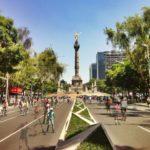
Trees often fade into the background of what people understand as the city, yet they bring immense value – including environmental benefits like filtering water run-off and cleaning the air as well as increasing health and quality of life – ...
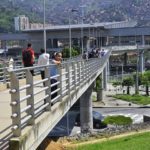
Over 22,000 attendees gathered in Medellín, Colombia for the Seventh World Urban Forum (WUF7) from April 5 – 11, 2014, sharing ideas, experiences, and challenges for creating more sustainable and equitable cities. The conclusion of the WUF7 saw the release ...
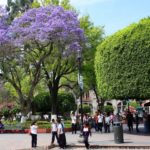
As much as cities can be drivers of economic and social progress, sometimes it’s downright stressful to live amid the hustle and bustle of today’s urban centers. To escape this stress, many urban residents take refuge in green public spaces, ...